
There is a profound, almost visceral shift that occurs when a human being returns to the embrace of Earth after venturing into the deep silence of space. For the crew of the Artemis II mission, that transition was more than just a physical descent through the atmosphere; it was a homecoming that brought a renewed appreciation for the fragile blue marble they call home. Upon their return, the astronauts described the experience of being back on Earth as something truly special, a sentiment that underscores the psychological weight of lunar exploration.
The Artemis II mission represents a historic milestone in human spaceflight, marking the first time in more than half a century that humans have flown past the moon. This crewed lunar flyby was designed to test the critical systems of the Artemis II mission and the Orion spacecraft, ensuring that the technology is flight-ready for future landings on the lunar surface. By venturing beyond low Earth orbit, the crew has paved the way for a permanent human presence on the moon and eventually, the leap to other planets.
While the mission was a triumph of engineering and human endurance, it was not without its mundane frustrations. In a reminder that space travel is as much about managing basic human needs as it is about complex physics, reports emerged of a clogged toilet on board during the journey. The incident serves as a grounding contrast to the grandeur of the mission, highlighting the persistent challenges of maintaining life-support systems in a zero-gravity environment where the simplest household failures can develop into significant logistical hurdles.
The Physics of Reentry: Breaking the Sound Barrier
The most harrowing phase of the journey occurred during the return trip, as the crew plummeted back toward Earth. To successfully breach the atmosphere, the spacecraft had to manage incredible kinetic energy. During its descent, the capsule reached speeds approximately 32 times the speed of sound, creating a wall of plasma and intense heat that tested the limits of the Orion’s heat shield NASA Artemis program.
This atmospheric reentry is one of the most dangerous portions of any space mission. The spacecraft must hit a precise “entry corridor”—a narrow window of angle and speed. Too steep, and the crew would face unsustainable G-forces and overheating; too shallow, and the capsule could skip off the atmosphere like a stone on water, drifting back into the void of space. The successful recovery of the crew confirms that the thermal protection systems are capable of handling the extreme velocities required for deep-space returns.
A New Era of Lunar Exploration
The gap between the Apollo era and the Artemis program is more than just a chronological void; it is a technological leap. For the first time in over 50 years, humans have once again navigated the trajectory to the moon, moving beyond the goals of the 1960s to establish a sustainable infrastructure. Unlike the short-term visits of the past, the current objective is to create a gateway for long-term habitation and scientific research.
The success of the flyby mission provides critical data on how the human body and mind react to the radiation and isolation of deep space. By orbiting the moon and returning safely, the crew has validated the navigation, communication, and life-support systems necessary for the next phase of the program: putting boots back on the lunar regolith.
From the Moon to the Red Planet
The implications of the Artemis II mission extend far beyond the lunar orbit. The moon is increasingly viewed not as a final destination, but as a proving ground. This strategic approach to space exploration—using the moon as a stepping stone—was echoed in the political reactions following the mission’s success. Donald Trump congratulated the astronauts on their achievements, noting that the successful return from the moon signals that the next logical step in human exploration is Mars NASA Artemis program.
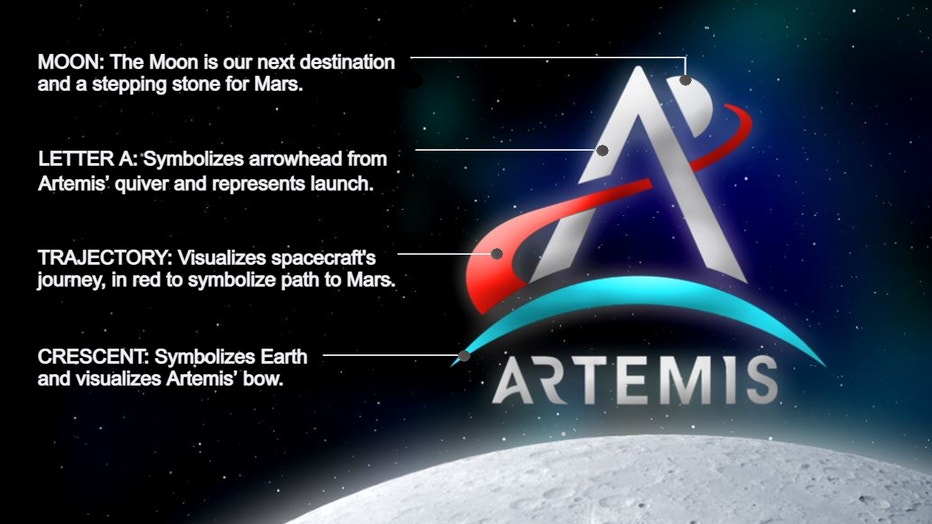
The transition to Mars will require everything learned from Artemis, including the ability to sustain crews for years rather than weeks and the capacity to repair critical systems—like the aforementioned plumbing issues—without the possibility of a quick return to Earth. The Artemis II crew has provided the first modern blueprint for this journey, proving that humans can once again leave the vicinity of Earth and return safely.
Key Mission Milestones
| Metric/Event | Detail |
|---|---|
| Mission Profile | Crewed lunar flyby (first in 50+ years) |
| Reentry Velocity | Approximately 32x the speed of sound |
| Primary Objective | Test Orion spacecraft and deep-space systems |
| Long-term Goal | Establish lunar base and prepare for Mars |
As the crew undergoes post-flight recovery and shares their experiences, the global community is left with a powerful image of human resilience. The contrast between the awe of seeing the lunar far side and the struggle with a malfunctioning toilet captures the essence of space exploration: it is a venture of extreme highs and humbling lows.
The next confirmed milestone for the program is the preparation for the first crewed lunar landing, which will build upon the data gathered during this flyby to ensure the safety of the astronauts who will eventually walk on the moon once more.
Do you think the moon should be a permanent base for humans, or just a place for scientific visits? Share your thoughts in the comments below.