
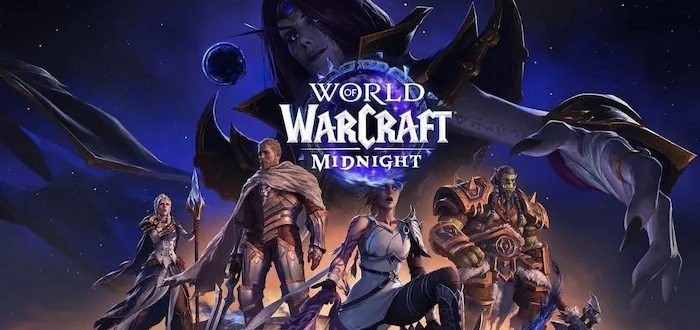
Blizzard Entertainment is attempting to recapture the magic of the early days of Azeroth with the release of World of Warcraft: Midnight. This latest expansion serves as a strategic “nostalgia bomb,” designed specifically to lure back veteran players who may have stepped away from the game over a decade ago by returning to some of the most iconic locations in the franchise’s history.
The expansion centers on an epic struggle between the forces of Light and the Void. This narrative arc follows the events of the previous expansion, The War Within, where players battled Dimensius, the All-Devouring. The story intensifies as the antagonist Xal’atath seizes the power of Dimensius to launch an assault on Azeroth, specifically targeting the ancestral home of the blood elves in Quel’Thalas.
By blending cutting-edge graphical updates with a return to the roots of The Burning Crusade (2007), Blizzard is positioning World of Warcraft: Midnight as a definitive version of the game. The experience emphasizes a highly detailed world and intuitive quality-of-life improvements, aiming to make the gameplay loop more accessible and rewarding for both new recruits and returning legends.
Returning to Quel’Thalas and the Burning Crusade Legacy
A primary draw of the Midnight expansion is the revitalization of classic zones. Blizzard has focused heavily on the blood elves’ homeland, featuring a graphically updated Silvermoon City. The effort to modernize these areas allows players to experience the nostalgia of 2007-era content with contemporary visual fidelity and performance.
The expansion introduces a mix of entirely new territories and refreshed legacy zones. According to official reveals at Gamescom in Köln, the expansion features four primary areas of focus:
- The Voidstorm: A completely new zone introduced in this expansion.
- Harandar: Another entirely new addition to the world map.
- Zul’Aman: A classic zone originally from 2008 that has been refreshed for the current era.
- Quel’Thalas: The blood elf homeland, likewise originally from 2008, now visually updated.
This focus on legacy content is not merely cosmetic; it is a deliberate design choice to bridge the gap between the game’s current state and its historical peaks. The inclusion of these zones allows Blizzard to weave new narrative threads into established lore, making the fight against the Void feel more personal and grounded in the world’s history.
Gameplay Mechanics and New Content
Beyond the narrative and scenery, World of Warcraft: Midnight introduces a variety of activities designed to keep players engaged across different playstyles. The expansion balances large-scale group efforts with more focused, smaller-scale challenges.
The content suite includes a selection of dungeons and “delves,” providing varied levels of difficulty and reward. The expansion introduces three mini-raids, offering a middle ground between standard dungeon crawling and the massive commitment required for traditional full-scale raids. These additions are complemented by a series of intuitive improvements to the user interface and general game mechanics, reducing friction for players returning after a long hiatus.
Social dynamics also remain a core pillar of the experience. While the game has evolved, the necessity of forming alliances and making friends remains a central part of the progression system, though the developers have acknowledged that the process of socializing in a massive online environment can still be challenging for some.
Key Features of the Midnight Expansion
| Feature | Details |
|---|---|
| Primary Conflict | The struggle between Light and Void (led by Xal’atath) |
| Key Locations | Quel’Thalas, Silvermoon City, The Voidstorm, Harandar |
| New Content | 3 mini-raids, various dungeons, and delves |
| Thematic Influence | The Burning Crusade (2007) |
The Path from The War Within to Midnight
The transition into Midnight is a direct consequence of the narrative climax in The War Within. The plot is driven by Xal’atath’s opportunism; after players dealt with Dimensius, the All-Devouring, Xal’atath managed to steal that power for her own ends. This shift in power dynamics sets the stage for the “ultimate battle” that defines the current expansion.

The announcement of the expansion first occurred at Gamescom in Köln, though the name “Midnight” had been hinted at nearly two years prior during a BlizzCon event. The full public unveiling provided the first look at the cinematic “Intercession” trailer and the detailed maps of the new and updated zones revealed by Blizzard.
For those who have been away from the game, this era represents a significant entry point. By updating the graphics of 2008-era zones while introducing fresh territories like The Voidstorm, Blizzard is attempting to offer the “best version” of the game—one that respects the past while pushing the technical boundaries of the present.
As the battle for Quel’Thalas unfolds, players can look forward to further updates regarding the specific mechanics of the new zones and the evolving threat of the Void. Future official communications from Blizzard will likely detail the full roadmap for content patches and the progression of the Light versus Void narrative.
Do you reckon the return to classic zones is the right move for World of Warcraft? Share your thoughts in the comments below and share this article with your guildmates.