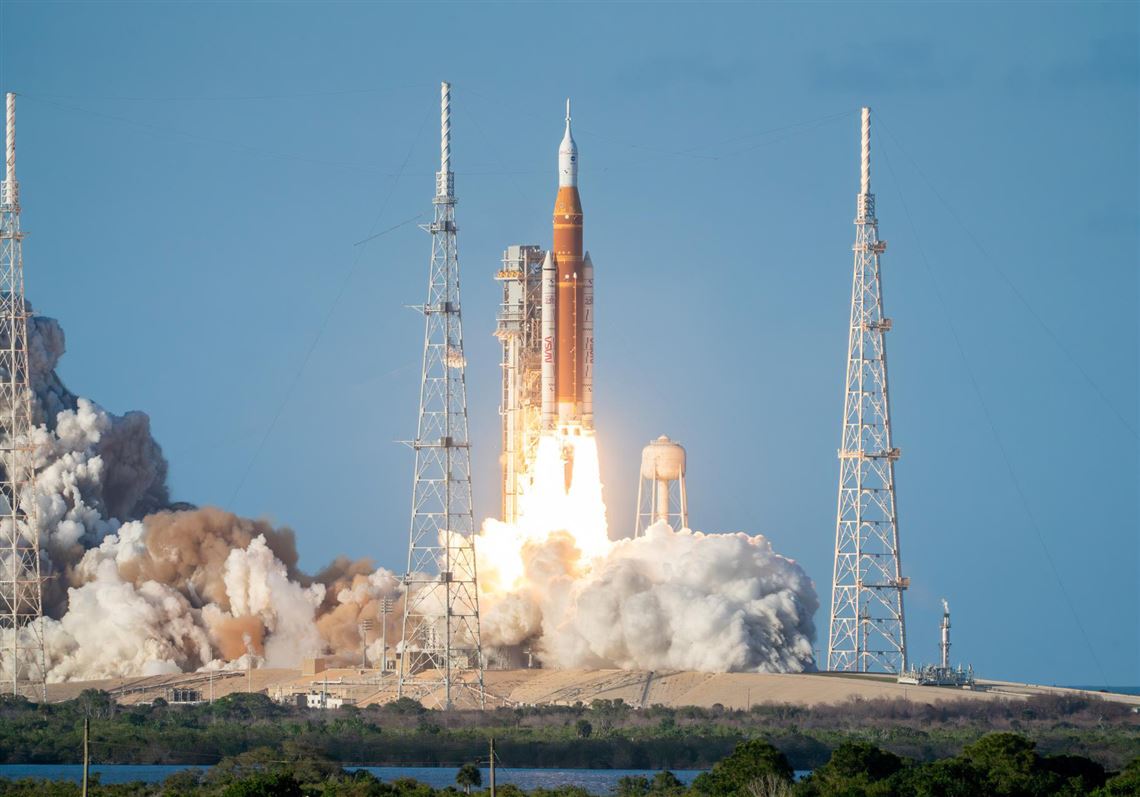
The successful conclusion of the Artemis II mission earlier this spring marks a transformative moment in the history of human space exploration. By returning astronauts to the vicinity of the Moon for the first time since 1972, NASA has not only demonstrated the capabilities of its modern deep-space hardware but has also reignited a global conversation about the future of lunar discovery and the path toward Mars.
The mission, which launched from the Kennedy Space Center on April 1, 2026, carried a four-person crew around the Moon before returning safely to Earth on April 10, 2026. This journey serves as a critical milestone in the broader Artemis II mission objectives, providing essential data that will inform the safety and technical protocols for future crewed landings on the lunar surface.
Defining the New Era of Lunar Exploration
At its core, the Artemis program represents a shift from the temporary excursions of the past to a sustainable, long-term presence in deep space. According to official NASA mission documentation, the agency is leveraging these missions to prepare for the first crewed flights to Mars. By standardizing the Space Launch System (SLS) rocket configuration and increasing the cadence of missions, NASA aims to solidify American leadership while building a global alliance for scientific and economic benefit.

The Artemis II crew—Reid Wiseman, Victor Glover, Jr., Christina Koch, and Jeremy Hansen—navigated a complex trajectory that tested the Orion spacecraft’s life support and navigation systems far beyond the confines of low-Earth orbit. This mission builds upon the foundation laid by Artemis I, which saw the uncrewed SLS send the Orion craft on a 1.4-million-mile journey beyond the Moon and back, validating the systems required for human survival in deep space.
The Technological Foundation for Deep Space
The success of the recent flight underscores the importance of technological standardization. NASA’s strategy involves creating a reliable, repeatable model for lunar transit. As noted by the agency, the Artemis program is designed to transform the Moon into a “4.5-billion-year-old time capsule,” offering unique insights into the history of our solar system. The data gathered during the April 2026 flight is currently being analyzed to refine energy storage solutions, such as the fuel cell tests that have already been conducted to support long-term lunar surface operations.

Beyond the technical hardware, the program is defined by international cooperation. The Artemis Accords, established in 2020 by NASA in coordination with the U.S. Department of State and seven other initial signatory nations, now include 67 signatories, with Paraguay being a recent addition to the alliance. This diplomatic framework is essential for ensuring that lunar exploration remains a collaborative effort for the benefit of all humanity.
What Comes Next for the Artemis Program
As the international community reflects on the achievements of the Artemis II crew, the focus shifts toward the next phases of the program. The mission has provided a roadmap for future lunar discovery, emphasizing the necessity of crew safety and the integration of the Gateway space station as a staging point for deeper exploration. The lessons learned from this spring’s journey will be instrumental in the planning of Artemis III, which is intended to land astronauts on the lunar surface.

For those following the progress of these missions, NASA continues to provide regular updates through its official Artemis program portal. These updates include mission plans, details on crew safety engineering, and insights into how the agency is preparing for the next generation of explorers.
The return of human explorers to the lunar environment is more than a feat of engineering; it is a signal of a new chapter in our collective history. As mission planners digest the performance data from the April 2026 flight, the global scientific community waits for the next official announcement regarding the specific timeline for the Artemis III lunar landing. We invite our readers to share their thoughts on the future of space exploration in the comments section below.
Keep reading