
India Fuel Price Surge: Retailers Raise Petrol and Diesel Prices Again Amid Iran War Disruptions
New Delhi, India — State-run fuel retailers in India have raised petrol and diesel prices for the second time in a week, implementing modest increases to offset mounting losses driven by soaring crude oil prices amid the ongoing conflict in Iran. The latest adjustments, announced on Tuesday, follow a similar upward trend set on Friday, marking the first price hikes in four years. With India being the world’s third-largest oil importer and consumer, the developments carry significant economic ripple effects for households and businesses alike.
The latest price adjustments—approximately 0.9 Indian rupees per litre for both petrol and diesel—bring the cost to 98.64 rupees per litre for petrol and 91.58 rupees per litre for diesel in New Delhi, according to dealers. However, regional taxes mean prices vary across the country. While India’s fuel prices are technically deregulated, the government retains substantial influence through its majority ownership in key retail companies, including Indian Oil Corporation, Hindustan Petroleum, and Bharat Petroleum, which collectively operate over 90% of the nation’s 103,000 fuel stations.
The price increases come as state fuel retailers face daily losses of ₹7.5 billion (approximately $90 million), according to Sujata Sharma, a joint secretary in the oil ministry. Sharma stated on Monday that the government has no plans to provide financial support to mitigate these losses, leaving retailers to pass costs directly to consumers. Industry analysts and refiners have warned that further price hikes are inevitable to recover operational losses, with expectations of a staggered increase pattern similar to the adjustments made during the COVID-19 pandemic in April 2022.
Why Are Fuel Prices Rising Now?
The surge in fuel prices is directly linked to global oil market disruptions triggered by the escalating conflict in Iran. As one of the last major economies to adjust retail fuel prices following the outbreak of hostilities, India’s delayed response reflects both its strategic oil reserves and the political sensitivity of fuel costs ahead of recent state elections. Opposition parties have accused Prime Minister Narendra Modi’s government of postponing price increases to secure electoral gains, particularly after the Bharatiya Janata Party (BJP) won two of four recent state elections.
India’s fuel price mechanism operates on a dynamic model where retailers adjust prices daily based on international crude oil benchmarks. However, the government’s majority stake in state-run oil firms—Indian Oil Corp, Hindustan Petroleum, and Bharat Petroleum—allows it to exert significant control over pricing decisions. While deregulation was intended to create market responsiveness, the current crisis underscores the challenges of balancing economic realities with political considerations.
“The government has no plans to provide financial support for fuel retailers. We must let the market forces work to stabilize the situation.”
Sujata Sharma, Joint Secretary, Oil Ministry (as reported by authorized sources)
Impact on Consumers and the Economy
The latest price hikes add to the financial burden on Indian consumers, who have already faced inflationary pressures in recent months. With petrol now priced at nearly ₹99 per litre in Delhi, commuters and businesses are feeling the pinch, particularly in urban centers where fuel consumption is highest. The government has responded by urging citizens to limit non-essential travel and reduce gold purchases—a move aimed at conserving foreign exchange reserves amid the oil price surge.
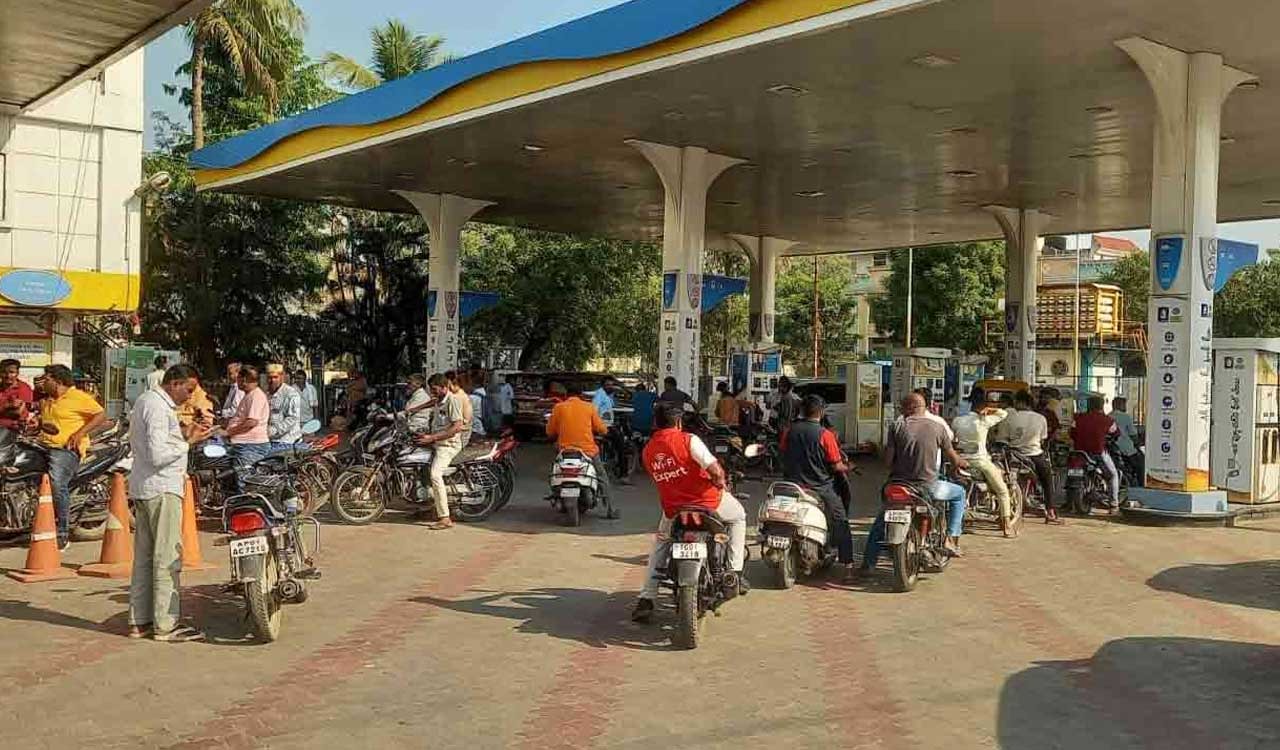
Economists warn that sustained high fuel prices could further strain household budgets and slow economic growth, particularly in sectors heavily dependent on transportation and logistics. Small businesses, already recovering from the pandemic, may face increased operational costs, potentially leading to higher prices for everyday goods. Meanwhile, rural areas—where fuel prices are slightly lower due to regional taxes—may see delayed but inevitable increases as retailers adjust to national trends.
Key Takeaways
- Second price hike in a week: Petrol and diesel prices increased by ~₹0.9 per litre, following a ₹3 per litre hike on Friday—the first in four years.
- Daily losses: State fuel retailers incur ₹7.5 billion in losses daily, with no government bailout planned.
- Government influence: Despite deregulation, the state owns majority stakes in India’s three largest fuel retailers.
- Global trigger: Rising crude prices are linked to the Iran war, disrupting global oil supplies.
- Consumer impact: Petrol now costs ₹98.64/litre in Delhi, diesel ₹91.58/litre, with regional variations.
- Political context: Opposition alleges delayed price hikes were election-driven, though BJP won recent state polls.
What Happens Next?
Analysts predict a phased approach to further price adjustments, with retailers likely to implement incremental increases over the coming weeks to align with crude oil market fluctuations. The government’s response remains uncertain, though officials have ruled out direct financial intervention. Meanwhile, Prime Minister Modi’s appeal for fuel conservation—including reduced travel and gold purchases—suggests an attempt to mitigate public backlash while managing economic pressures.

For consumers seeking updates, the Ministry of Petroleum and Natural Gas provides daily fuel price notifications on its official website. Retailers are also required to display updated prices at all stations. The next major checkpoint will be the government’s response to potential further losses, with industry sources indicating that additional hikes are “inevitable” without external support.
Your Thoughts Matter
How are rising fuel prices affecting you? Share your experiences in the comments below or join the discussion on our social media channels. For the latest updates on this developing story, bookmark this page or subscribe to our news alerts.
Related reading