/https://i.s3.glbimg.com/v1/AUTH_59edd422c0c84a879bd37670ae4f538a/internal_photos/bs/2026/F/G/TIYkB5S7OaSHqLp6qmDg/2026-04-02t002555z-1227362919-rc2ogka1xgff-rtrmadp-3-space-moon-artemis.jpg)
The Moon’s South Pole: Why It’s a Prime Target for NASA’s Artemis Program
The Artemis program, NASA’s ambitious endeavor to return humans to the Moon, isn’t aiming for just any landing spot. The lunar South Pole has emerged as the focal point, and for solid reason. This region holds the potential to unlock not only groundbreaking scientific discoveries about the Moon’s history and the early solar system, but also crucial resources – including water ice – that could be vital for sustaining a long-term lunar presence and even fueling future missions to Mars. On April 1, 2026, the Artemis II mission launched, sending a crew of four astronauts on a 10-day lunar flyby, a critical step in paving the way for these future surface missions. NASA details the mission’s objectives, emphasizing the testing of deep space systems.
The recent launch of Artemis II, as reported by CNN Brasil, marks the first crewed mission to the Moon in over 50 years. The mission is a crucial test of the Space Launch System (SLS) rocket and Orion spacecraft, essential components for establishing a sustainable presence on and around the Moon. This mission isn’t simply a repeat of Apollo; it’s a stepping stone towards a more permanent and resourceful lunar exploration strategy.
Water Ice: The Key Resource
The primary allure of the lunar South Pole lies in the presence of water ice, confirmed by numerous missions including NASA’s Lunar Reconnaissance Orbiter (LRO). This ice isn’t uniformly distributed; it’s concentrated in permanently shadowed craters, regions that never receive direct sunlight, allowing the ice to accumulate over billions of years. The amount of water ice is still being quantified, but estimates suggest potentially billions of tons. This resource is incredibly valuable for several reasons.
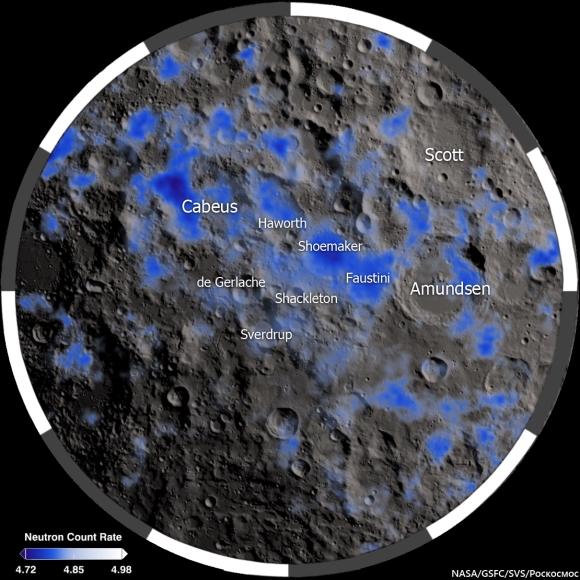
Firstly, water can be split into hydrogen and oxygen through electrolysis. Oxygen is essential for life support, providing breathable air for astronauts. Hydrogen, combined with oxygen, serves as a powerful rocket propellant. Producing propellant on the Moon, rather than transporting it from Earth, would dramatically reduce the cost and complexity of deep space missions. This concept, known as *in-situ resource utilization* (ISRU), is central to NASA’s long-term space exploration plans. The ability to “live off the land” on the Moon would be a game-changer, enabling a sustainable lunar base and serving as a proving ground for technologies needed for Mars exploration.
Beyond Water: Other Valuable Resources
Whereas water ice is the most prominent resource, the lunar South Pole is also believed to contain other valuable materials. The region’s unique geological features, including the Shackleton Crater and the Faustini Crater, may harbor deposits of helium-3, a rare isotope on Earth that could potentially be used in future fusion power reactors. Although fusion technology is still under development, helium-3 represents a long-term energy source that could revolutionize power generation. Reports from g1.globo.com highlight the significance of these resources, framing the South Pole as a strategic location for future lunar endeavors.
Scientific Opportunities at the South Pole
Beyond resource extraction, the lunar South Pole offers unparalleled opportunities for scientific research. The permanently shadowed craters are essentially time capsules, preserving materials from the early solar system that have been shielded from solar wind and cosmic radiation for billions of years. Analyzing these materials could provide invaluable insights into the formation of the Moon, the Earth, and the solar system as a whole.
the South Pole’s unique environment allows for the study of volatile compounds – substances that easily vaporize – that are crucial for understanding the delivery of water and organic molecules to Earth. The presence of these compounds could shed light on the origins of life itself. The Artemis program aims to establish a long-term scientific presence at the South Pole, enabling continuous monitoring and in-depth analysis of this fascinating region.
Challenges and Considerations
Despite the immense potential, establishing a presence at the lunar South Pole presents significant challenges. The extreme cold, the lack of sunlight, and the rugged terrain pose logistical and engineering hurdles. Developing technologies to extract and process water ice in these harsh conditions will require substantial investment and innovation.

Another key consideration is the preservation of the pristine environment within the permanently shadowed craters. Careful planning and responsible exploration practices will be essential to minimize contamination and protect the scientific value of these unique regions. NASA is actively developing protocols and technologies to ensure sustainable and ethical lunar exploration. The agency is also collaborating with international partners to establish a common framework for lunar resource utilization.
The name “Artemis,” chosen for this mission, is itself steeped in mythology, referencing the Greek goddess of the Moon and sister to Apollo, a nod to the earlier Apollo program. Folha de S.Paulo explains the mythological significance of the mission’s name.
What’s Next for Artemis?
The Artemis II mission, currently underway, is a crucial precursor to Artemis III, which is slated to land astronauts near the lunar South Pole as early as 2026. This mission will mark the first human landing on the Moon since 1972 and will pave the way for the establishment of a sustainable lunar base. Future Artemis missions will focus on building infrastructure, conducting scientific research, and developing technologies for utilizing lunar resources. NASA is also planning to collaborate with commercial partners to foster a thriving lunar economy.
As the Artemis program progresses, the lunar South Pole is poised to become a hub of scientific discovery and technological innovation. The resources and opportunities it presents could not only transform our understanding of the Moon and the solar system but also enable a new era of space exploration. The recent reports of a minor issue with the Orion capsule’s toilet, as noted by VEJA, demonstrate the complexities of space travel, even as the mission continues to achieve its primary goals.
Stay tuned for further updates on the Artemis program and the exploration of the lunar South Pole. Share your thoughts and questions in the comments below!
Related reading