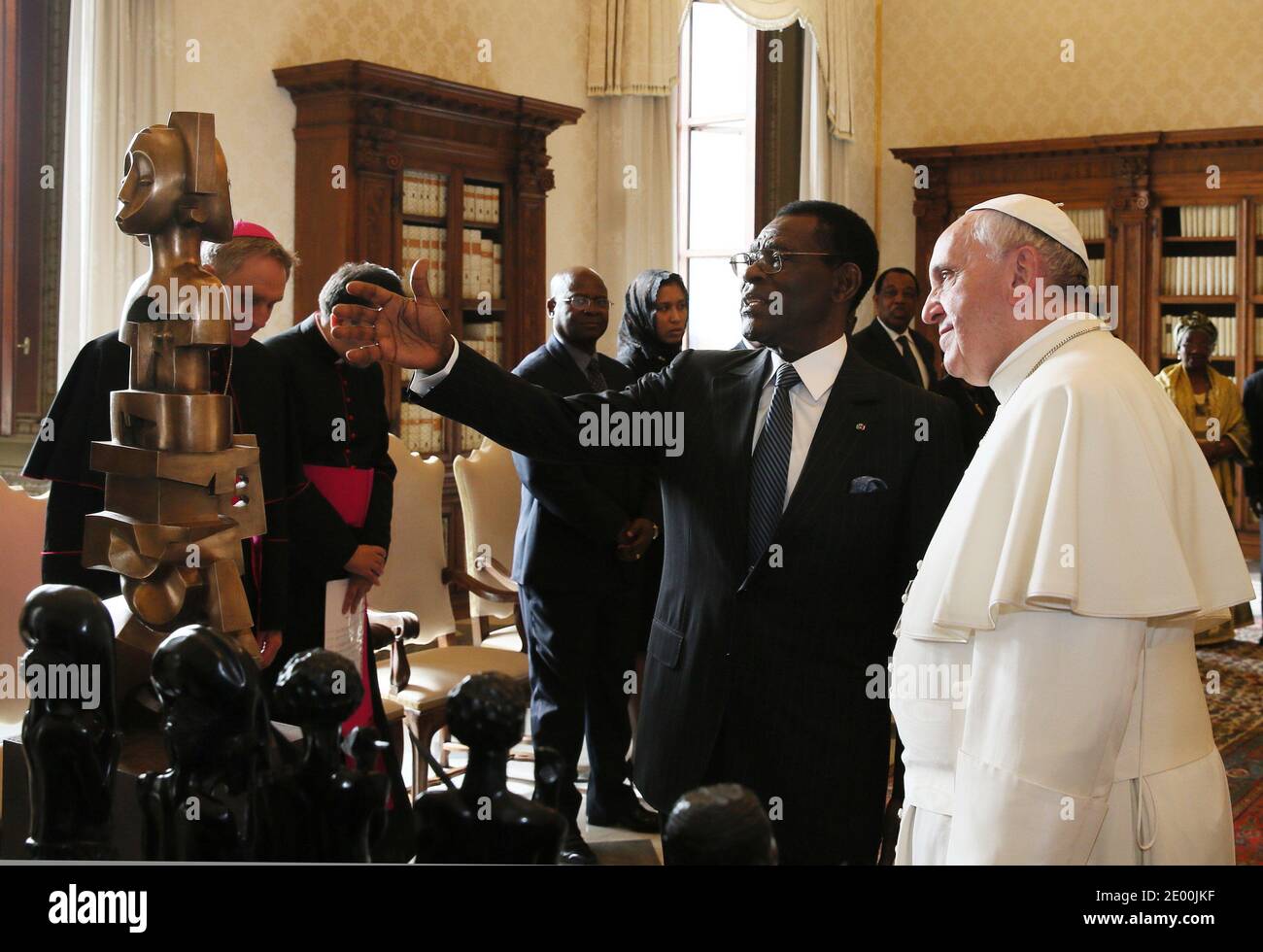
Pope Leo XIV is making his first pastoral visit to Africa, a journey that has drawn both enthusiasm and concern across the continent. As the pontiff arrived in Equatorial Guinea on April 20, 2025, he began the final leg of a trip that has taken him through several African nations, though notable absences from his itinerary have sparked discussion among Catholics in some of the region’s largest faith communities.
The visit comes at a time when the Catholic Church in Africa continues to grow rapidly, with the continent now home to over 236 million Catholics — nearly 20% of the global Catholic population, according to Vatican statistics. Yet despite this growth, Pope Leo has not scheduled stops in countries such as the Democratic Republic of Congo, Uganda, or Nigeria, which together account for tens of millions of African Catholics. This has led some faithful and observers to question the priorities behind the papal itinerary.
In Equatorial Guinea, a small Central African nation with an estimated 80% Catholic population, the pope’s arrival was met with official welcome ceremonies and public celebrations. However, human rights groups have noted the country’s ongoing challenges, including restrictions on political opposition and limited press freedom, raising questions about the diplomatic implications of engaging with its leadership.
According to reporting by The New York Times, Pope Leo’s decision to skip several of Africa’s most populous Catholic nations reflects a balancing act between pastoral outreach and geopolitical sensitivity. The Vatican has not publicly detailed the criteria for selecting visit locations, though past papal trips have often considered factors such as local invitations, security assessments, and ecumenical opportunities.
The pope’s schedule has included stops in Gabon and Equatorial Guinea, both smaller nations in terms of Catholic population compared to giants like the Democratic Republic of Congo, which has over 40 million Catholics, or Nigeria, with approximately 30 million. Uganda, another country with a significant Catholic presence, was also not included in the current itinerary.
CNN reported that while many African Catholics expressed joy at seeing the pope visit the continent, others voiced concern that his absence from larger nations might be interpreted as a lack of pastoral attention to regions facing internal conflicts, economic hardship, or governance challenges.
In a statement during his arrival in Malabo, the capital of Equatorial Guinea, Pope Leo emphasized themes of peace, reconciliation, and care for the poor — messages that resonate across Africa but carry particular weight in nations experiencing social tensions. He did not directly address the omission of certain countries from his schedule.
The Vatican’s press office confirmed that the trip to Gabon and Equatorial Guinea was planned in response to invitations from the respective national bishops’ conferences and heads of state. No official explanation has been provided for why other nations with larger Catholic populations were not included in this particular journey.
Analysts note that papal visits often reflect a combination of spiritual, diplomatic, and logistical considerations. Past trips by Pope Francis, for example, included visits to both large and small African nations, such as Kenya, Uganda, and the Central African Republic, reflecting a varied approach to continental engagement.
As the pope prepares to conclude his Africa trip in Equatorial Guinea, the journey underscores the complex realities of leading a global church with deep roots in diverse and rapidly changing regions. For many Catholics in the countries not visited, the hope remains that future trips will include their nations, allowing for broader pastoral connection across the continent.
The next official event on Pope Leo XIV’s schedule is a return to the Vatican for a general audience on Wednesday, April 23, 2025, as confirmed by the Holy See’s daily bulletin. This will mark the conclusion of his first international pilgrimage since his election in March 2025.
For ongoing updates on the pope’s activities and statements, readers can refer to the Vatican News website or the Holy See’s press office releases. We invite you to share your thoughts on this story in the comments below and to share this article with others interested in global religious affairs.
Related reading