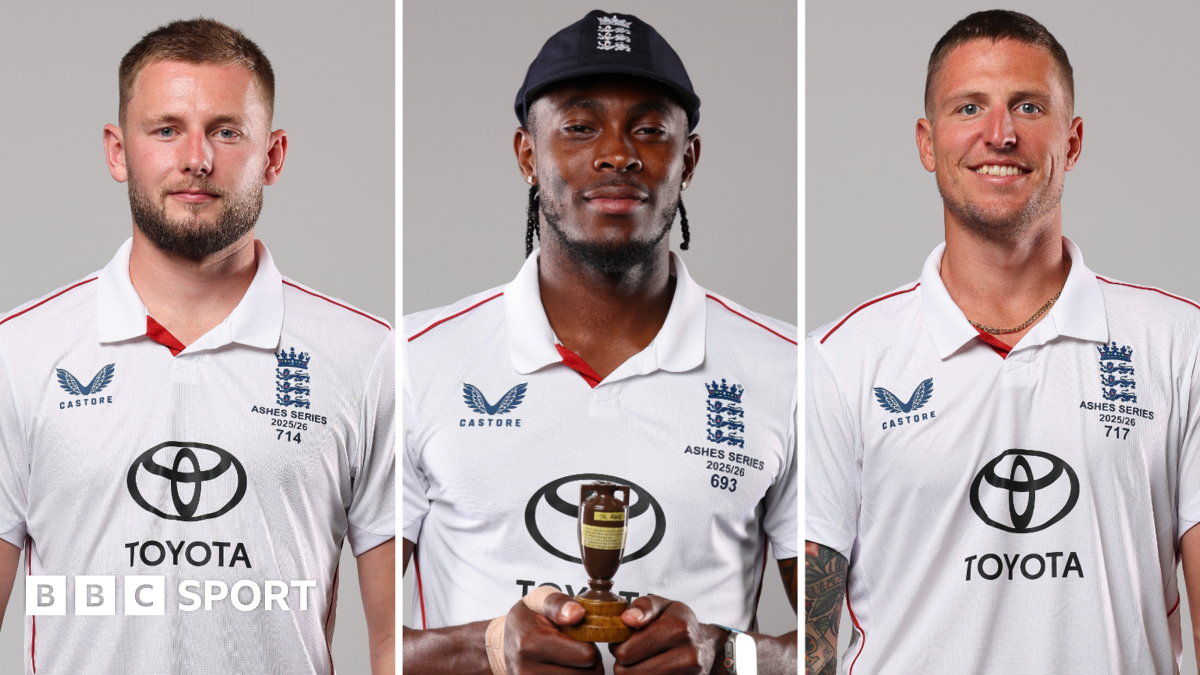
England’s New-Look Pace Attack: A Blueprint for Ashes Success in australia
The landscape of England’s Test cricket team has undergone a significant shift since the appointments of Rob Key, brendon McCullum, and Ben Stokes in 2022. This marked a intentional move towards a more aggressive,and crucially,Australia-ready approach. A key component of this transformation is the evolution – and now, rebuilding - of thier pace attack.
the Departure of Legends & The Experience Gap
The initial phase of this rebuild saw the welcomed return of seasoned campaigners James Anderson and Stuart Broad. However, both bowlers, while possessing immense skill, weren’t renowned for raw pace. Now, with both having retired from international cricket, England faces a stark reality.
The retirements have removed a combined 1,308 Test wickets from the bowling lineup. Chris Woakes’ recent retirement due to a shoulder injury further depletes experience, taking away another 192 wickets. This leaves Stokes’ team with their least experienced bowling unit since the triumphant 2010-11 ashes series.
Who Steps Up? Assessing the Current Options
Currently, ben Stokes leads the experience count with 115 Test caps. Mark wood has a decade of Test cricket under his belt, though injuries have limited him to 37 appearances. Jofra Archer, despite a brilliant debut in 2018, has only featured in 15 Tests, hampered by fitness concerns.
The onus will fall on Wood and Archer to spearhead the attack. But what about the emerging talents?
* Gus Atkinson: A standout performer in the post-Broad and Anderson era, Atkinson has claimed 63 wickets at an impressive average of 22.01 in his first 13 Tests.
* Brydon Carse: The South African-born seamer has shown promise, notably performing well in away conditions.
* Josh Tongue: Demonstrates a knack for taking wickets, though consistency remains a work in progress.
* Matthew Potts: Returns to the mix after nearly a year, offering another seam option.
For Atkinson, Carse, Tongue, and Potts, this will be their first taste of an away Ashes series. Though, England understands that experience isn’t the sole determinant of success in Australia.
The Focus: Pace and Potency
England’s strategy hinges on unleashing pace and raw power. The australian pitches traditionally reward bowlers who can consistently hit the deck hard and generate uncomfortable bounce. This is a departure from relying solely on swing and seam movement, wich can be less effective on flatter surfaces.
You’ll notice a clear emphasis on selecting bowlers capable of delivering sustained aggression. this isn’t simply about bowling fast; it’s about maintaining pressure, unsettling batsmen, and creating wicket-taking opportunities.
The challenge for Stokes and the coaching staff is to integrate these newer, pace-focused bowlers effectively. It requires careful workload management, strategic deployment, and fostering a collective belief in their ability to perform under pressure.
Evergreen Insights: Building a Sustainable Pace Attack
Developing a world-class pace attack isn’t a short-term fix.it requires a long-term vision and a commitment to nurturing talent.Here are some key principles for building a sustainable pace attack:
* Invest in Strength and Conditioning: Modern fast bowling demands remarkable physical conditioning. Prioritizing strength, endurance, and injury prevention is paramount.
* Develop a Diverse Skillset: Bowlers should possess a range of skills – the ability to swing, seam, and bowl with pace – to adapt to different conditions.
* Foster a Competitive Habitat: Healthy competition within the squad drives enhancement and ensures that bowlers are constantly striving to be their best.
* Embrace Data Analytics: Utilizing data to analyze performance, identify areas for improvement, and optimize bowling strategies is crucial.
Frequently Asked Questions About England’s Pace Attack
1. What is England’s primary strategy with their new pace attack?
England is prioritizing pace and potency, aiming to unsettle Australian batsmen with aggressive, fast bowling. This is a shift from relying solely on swing and seam.
2. How does the current England pace attack compare to the one from the 2010-11 Ashes series?
The current attack is significantly
Related reading