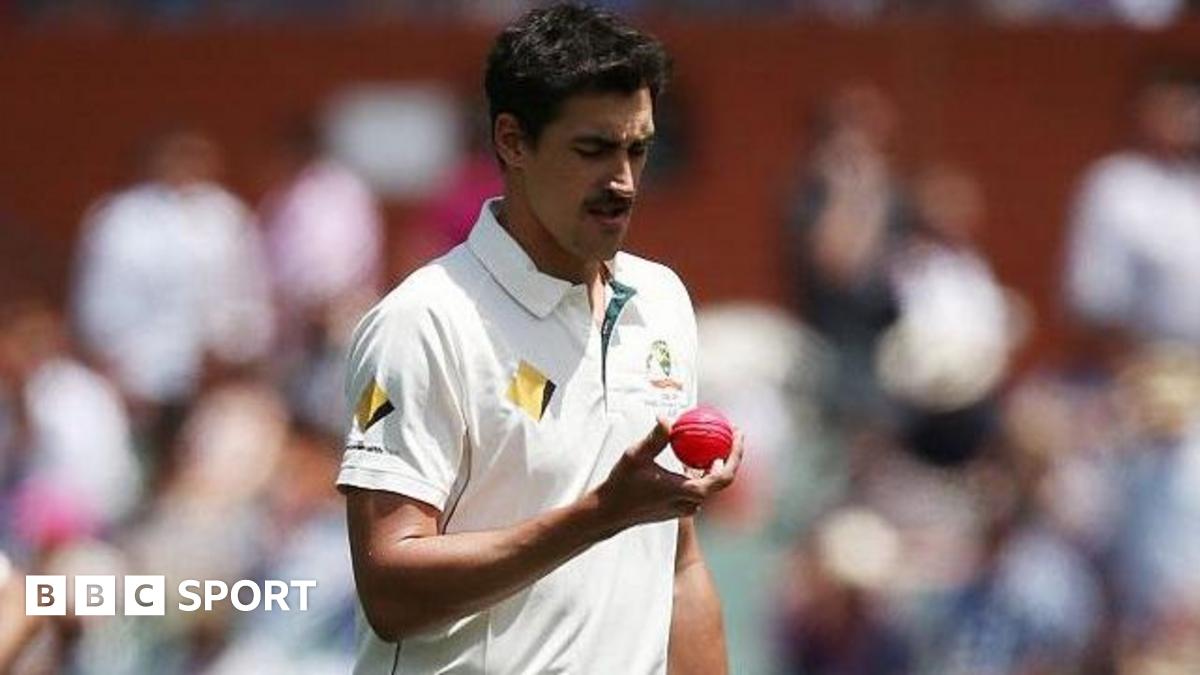
The Pink Ball Gamble: England’s Ashes Hope Rests on Brisbane’s Unique Challenge
England faces a critical juncture in the 2025 Ashes series, heading into the second Test at the Gabba with a deficit after an eight-wicket loss in the opener. The upcoming match isn’t just another Test; it’s a day-night affair played under lights with a pink ball,introducing a significant element of unpredictability. This creates a unique set of challenges and opportunities for both sides, but particularly for England as they seek to level the series.
Understanding the Pink Ball Dynamic
Day-night tests, while relatively new to the cricketing landscape, have quickly become known for their volatile nature. The core difference lies in the ball itself. A pink ball is used rather of the conventional red, designed for better visibility under floodlights. Though, this change dramatically alters the ball’s behavior throughout the day.
here’s a breakdown of what makes pink-ball cricket so distinct:
* Early Innings: The pink ball tends to offer less seam movement in natural daylight compared to a red ball. This can make it harder for bowlers to extract early wickets.
* Twilight Period: As dusk settles, the ball begins to swing more prominently, creating a challenging period for batsmen. This swing is often unpredictable and can lead to clusters of wickets.
* Under Lights: The floodlights amplify the swing, and a new ball under these conditions can be incredibly potent. Bowlers can exploit the conditions to generate significant movement and pace.
England’s Historical Struggles
Historically, england has struggled in pink-ball Tests, particularly on Australian soil. Their record paints a concerning picture:
* 2017 Adelaide: Lost by 120 runs.
* 2021 Adelaide: Defeated by 275 runs.
* 2021 Hobart: Suffered a 146-run loss.
These defeats highlight a pattern of difficulty adapting to the unique conditions and maximizing opportunities presented by the pink ball. You can see a clear trend of England failing to capitalize on key moments.
The Importance of Timing and the Toss
according to seasoned cricket experts, timing is everything in pink-ball cricket. Successfully utilizing the new ball under lights is crucial for taking wickets and breaking open the game. However, getting that opportunity at the right time is far from guaranteed.
Winning the toss becomes paramount.Batting first allows a team to exploit the relatively benign conditions of the daytime hours. This builds a foundation before facing the more challenging twilight and night sessions.
Consider these points:
* Bowling First: If you bowl first, the new ball loses its shine and potency during daylight, diminishing its impact.
* Batting First: batting first allows you to conserve the new ball for when conditions favor bowling,maximizing its effectiveness.
* Strategic Bowling Changes: Smart captaincy and well-timed bowling changes are essential to capitalize on the shifting conditions.
What This Means for England’s Chances
England’s hopes of leveling the Ashes series hinge on their ability to overcome their past struggles and adapt to the Gabba’s pink-ball challenge. They need to:
* Master the Swing: Develop a bowling strategy that effectively utilizes swing, particularly during the twilight period.
* Capitalize on New Ball: Maximize the impact of the new ball under lights, taking rapid wickets to put pressure on Australia.
* win the Toss: Secure the toss and choose to bat first,building a ample total before facing the more difficult bowling conditions.
The pink-ball Test is, as one expert put it, “a bit of a lottery.” But it’s a lottery where strategic planning, adaptability, and a bit of luck can substantially increase your chances of success. For England, this match represents not just a game, but a crucial opportunity to reignite their Ashes campaign.