
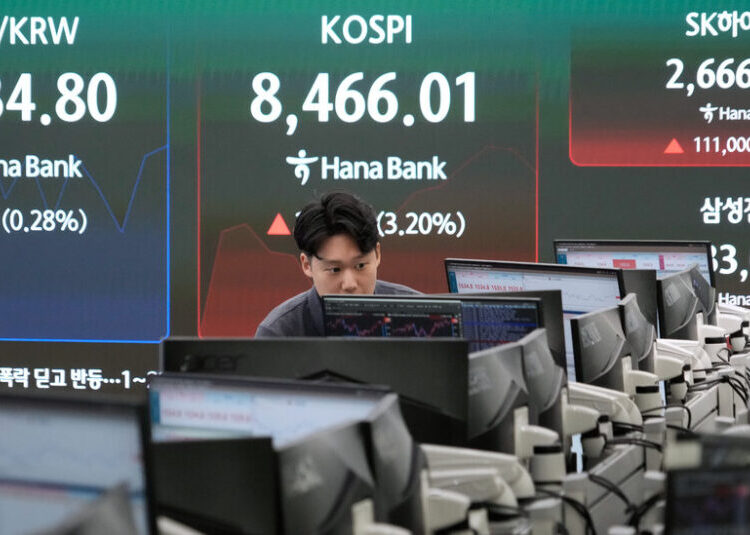
Asia-Pacific equity markets experienced significant volatility this week as investors recalibrated their exposure to artificial intelligence-linked stocks, underscoring a deepening reliance on the technology sector to drive global market performance. Major indices in Tokyo, Seoul, and Taipei showed sharp fluctuations in response to shifting sentiment regarding semiconductor demand and high-growth tech valuations, according to reports from Reuters.
The market instability reflects a broader trend where regional exchanges, particularly those heavily weighted toward chip manufacturing, have become sensitive indicators for the global AI investment cycle. As capital moves rapidly in and out of high-valuation tech holdings, analysts are monitoring whether this indicates a structural shift in investor appetite or a temporary correction following a period of sustained growth in the semiconductor industry.
Market Sensitivity to Semiconductor Valuation
The recent swing in Asia tech shares is tied closely to the performance of key players in the semiconductor supply chain. Companies that provide the hardware necessary for large-scale language models and data center expansion have seen their valuations rise significantly over the past twelve months. However, as global institutional investors reassess the timeline for AI-driven revenue realization, these stocks have faced increased selling pressure, as noted by the Financial Times.

In Japan, the Nikkei 225 has faced particularly acute pressure, experiencing historic single-day point drops followed by partial recoveries. This volatility is often amplified by the unwinding of the “yen carry trade,” a strategy where investors borrow in low-interest Japanese yen to invest in higher-yielding assets elsewhere. When the yen strengthens unexpectedly, this strategy becomes costly, forcing the liquidation of equity positions, including those in high-growth technology firms.
The Role of AI Capital Expenditure
A primary driver for the current market anxiety is the question of sustainability regarding capital expenditure (CapEx) in the artificial intelligence sector. Major technology firms in the United States and abroad have committed billions of dollars to infrastructure, specifically high-end graphics processing units (GPUs). Investors are now scrutinizing the return on investment for these expenditures.

According to Bloomberg, the concern is that if the anticipated productivity gains or revenue streams from AI adoption do not materialize as quickly as projected, the massive spending on hardware may lead to a cycle of oversupply. This potential imbalance poses a risk to the semiconductor manufacturers that currently serve as the backbone of the tech rally.
Geopolitical and Economic Factors
Beyond sector-specific jitters, the broader macroeconomic environment continues to influence market movements in Asia. Economic data from the United States, including labor market reports, has triggered concerns about a potential slowdown, which would likely dampen consumer and enterprise spending on technology products. The Wall Street Journal reported that investors are now pricing in a higher probability of volatility as they await further guidance from central banks regarding interest rate adjustments.
The interaction between regional trade policies and the global tech supply chain remains a critical variable. Restrictions on the export of advanced semiconductor technology to certain markets continue to create uncertainty for companies that rely on a globally integrated supply chain to maintain their profit margins.
What Investors Are Watching Next
Market participants are focusing on upcoming quarterly earnings reports and guidance from major semiconductor foundries and equipment manufacturers. These disclosures are expected to provide concrete data on order backlogs and the long-term demand for AI-related hardware. Official statements from these corporations, typically filed with regional regulators such as the Tokyo Stock Exchange or the Taiwan Stock Exchange, will serve as the primary benchmarks for determining the next phase of market sentiment.

For those following these developments, official updates from the Japan Exchange Group and quarterly financial filings from major tech firms will provide the most reliable indicators of industry health. We encourage readers to monitor these primary sources for changes in corporate guidance as the fiscal quarter progresses. Share your perspective on the sustainability of the current tech cycle in the comments below.