The Elusive Asian Golden Cat: A deep Dive into it’s Ecology and Conservation
The Asian golden cat ( Catopuma temminckii) is a medium-sized wild cat shrouded in mystery, inhabiting the dense forests of Southeast Asia and the foothills of the Himalayas. Often overlooked, this lovely and elusive predator faces increasing threats to its survival. This article delves into the fascinating world of the Asian golden cat, exploring its habitat, behavior, the challenges it faces, and what’s being done to protect it.
A Ghost of the Forest: Understanding the Asian Golden Cat
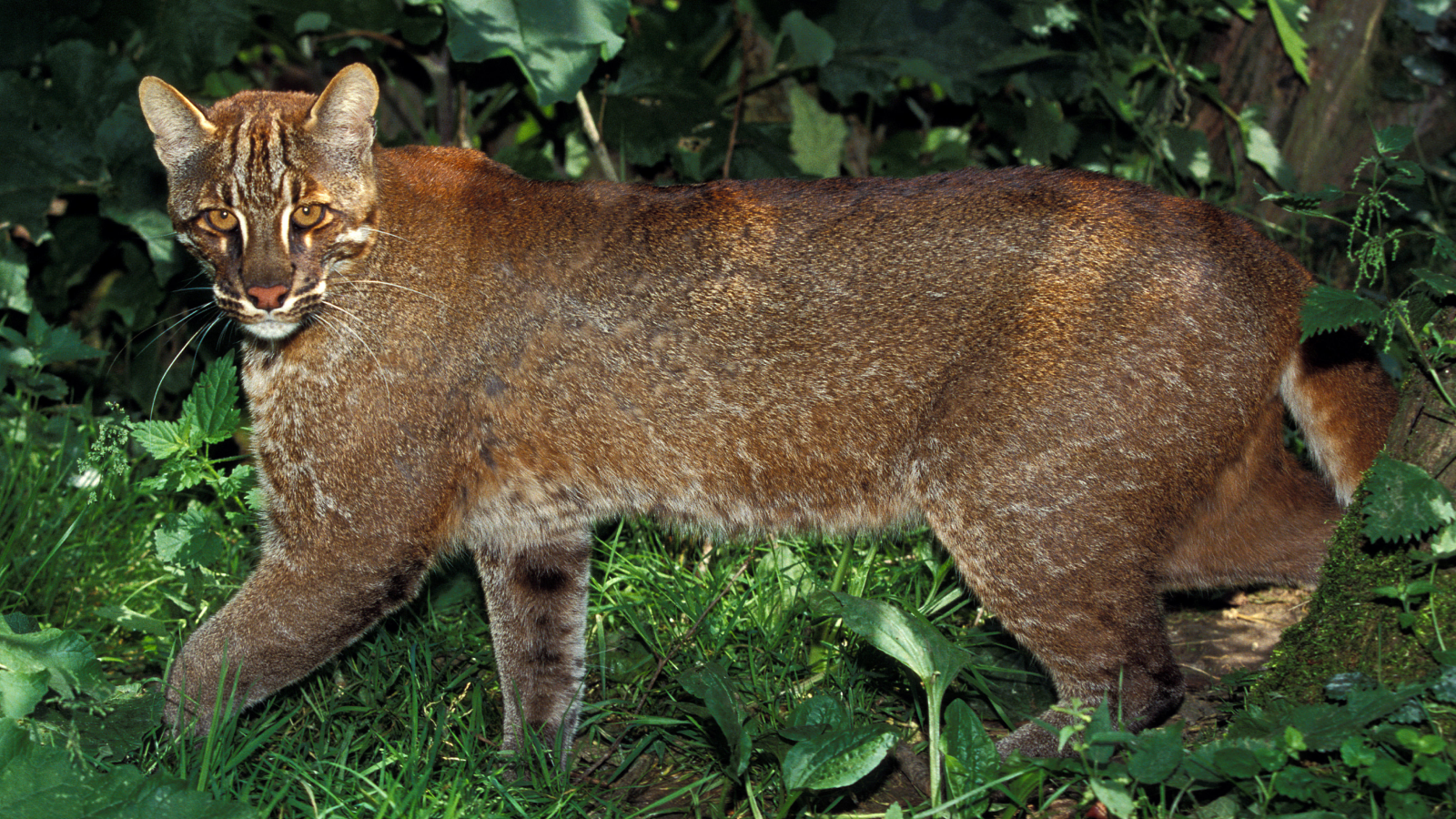
Often described as resembling a larger domestic cat,the Asian golden cat displays a remarkable variation in coat color. Individuals can range from reddish-gray to golden-brown, even exhibiting darker, melanistic forms. This variation likely aids in camouflage within its diverse habitat. you might be surprised to learn that these cats are also known as “rock cats” in certain regions of China, highlighting their adaptability.
Where Do They Live? Habitat and distribution
Historically, Asian golden cats were thoght to primarily inhabit lowland and mid-elevation forests. Though, recent research is reshaping our understanding.
* A 2016 biodiversity survey in bhutan revealed the presence of these cats at surprisingly high elevations.
* This, along with other observations, suggests that highland ecosystems are crucial habitats for the species.
* They also thrive in open areas interspersed with rocky terrain.
Their range extends across a broad swathe of Asia,including countries like India,Nepal,Bhutan,Myanmar,Thailand,Malaysia,and Indonesia. Interestingly, their home ranges are approximately 20% larger than those of the clouded leopard (Neofelis nebulosa), despite behavioral similarities and overlapping territories.
Behavior and Diet: A Solitary Predator
Asian golden cats are primarily solitary animals, active during the day and night – making them cathemeral. They are skilled hunters, preying on a variety of animals.
* Their diet includes small mammals, birds, reptiles, and even fish.
* They’ve also been known to take domestic poultry, occasionally leading to conflict with humans.
Their agility allows them to navigate both the forest floor and trees with ease, showcasing a versatility in hunting strategies.
Threats to Survival: Why are Asian Golden Cats Vulnerable?
Despite their adaptability, Asian golden cats are facing a growing number of threats. The biggest challenges stem from human activities.
* Deforestation: The relentless loss of forest habitat due to agricultural expansion (oil palm, coffee, rubber plantations) is devastating populations. Southeast Asian forests are experiencing some of the highest deforestation rates globally.
* Poaching: Illegal hunting for their beautiful pelts, bones (used in customary medicine), and meat (considered a delicacy) continues to threaten their numbers.
* retaliatory Killing: When golden cats prey on livestock like sheep and goats, farmers sometimes kill them in retaliation, further reducing their population.
Conservation Efforts: Protecting a Vulnerable Species
Recognizing the plight of the Asian golden cat,conservation organizations and governments are working to protect this elusive feline.
* Habitat Protection: Establishing and maintaining protected areas is crucial for safeguarding their remaining habitat.
* Anti-Poaching Measures: Strengthening law enforcement and combating illegal wildlife trade are essential to curb poaching.
* Community Engagement: Working with local communities to promote coexistence and reduce human-wildlife conflict is vital. This includes providing compensation for livestock losses and promoting enduring land-use practices.
* Research and Monitoring: Continued research is needed to better understand their population size, distribution, and ecological needs. Camera trapping and genetic studies are playing a key role in this effort.
The future of the Asian golden cat depends on our collective commitment to conservation.By addressing the threats they face and supporting ongoing research and protection efforts, we can ensure that this grand creature continues to roam the forests of Asia for generations to come. You can contribute to their survival by supporting organizations dedicated to wildlife conservation and advocating for sustainable practices.
Worth a look