
The Dutch semiconductor equipment manufacturer ASML has officially denied reports suggesting that its advanced lithography systems have reached the Chinese market in violation of stringent international export controls. These concerns, which emerged following speculation regarding the unauthorized arrival of high-end chip-making technology, have sparked renewed scrutiny over the effectiveness of the global regulatory framework governing the semiconductor supply chain.
ASML, the world’s leading supplier of photolithography systems used to print complex circuit patterns on silicon wafers, stated that it has strictly adhered to all applicable export laws and regulations. The company maintains that it has not shipped its most advanced Extreme Ultraviolet (EUV) lithography machines to China, a move that would contravene current Dutch and international trade policies, according to a formal statement issued by the company.
The Regulatory Landscape of Semiconductor Exports
The controversy centers on the sophisticated machinery required to manufacture the world’s most powerful microchips. Under the current Dutch export control regulations, which were updated in 2023 to align with broader Western security interests, the export of high-end immersion Deep Ultraviolet (DUV) and EUV systems to China is heavily restricted. These measures are designed to prevent the advancement of military capabilities in nations deemed a risk to regional and global security.

The United States Bureau of Industry and Security (BIS) has played a significant role in shaping these policies, often leveraging the Foreign Direct Product Rule (FDPR) to ensure that foreign-manufactured items containing U.S. technology are subject to American oversight. This complex legal architecture creates a multi-layered compliance burden for companies like ASML, which must navigate both its domestic obligations in the Netherlands and the extraterritorial reach of U.S. trade law.
ASML’s Operational Compliance and Market Position
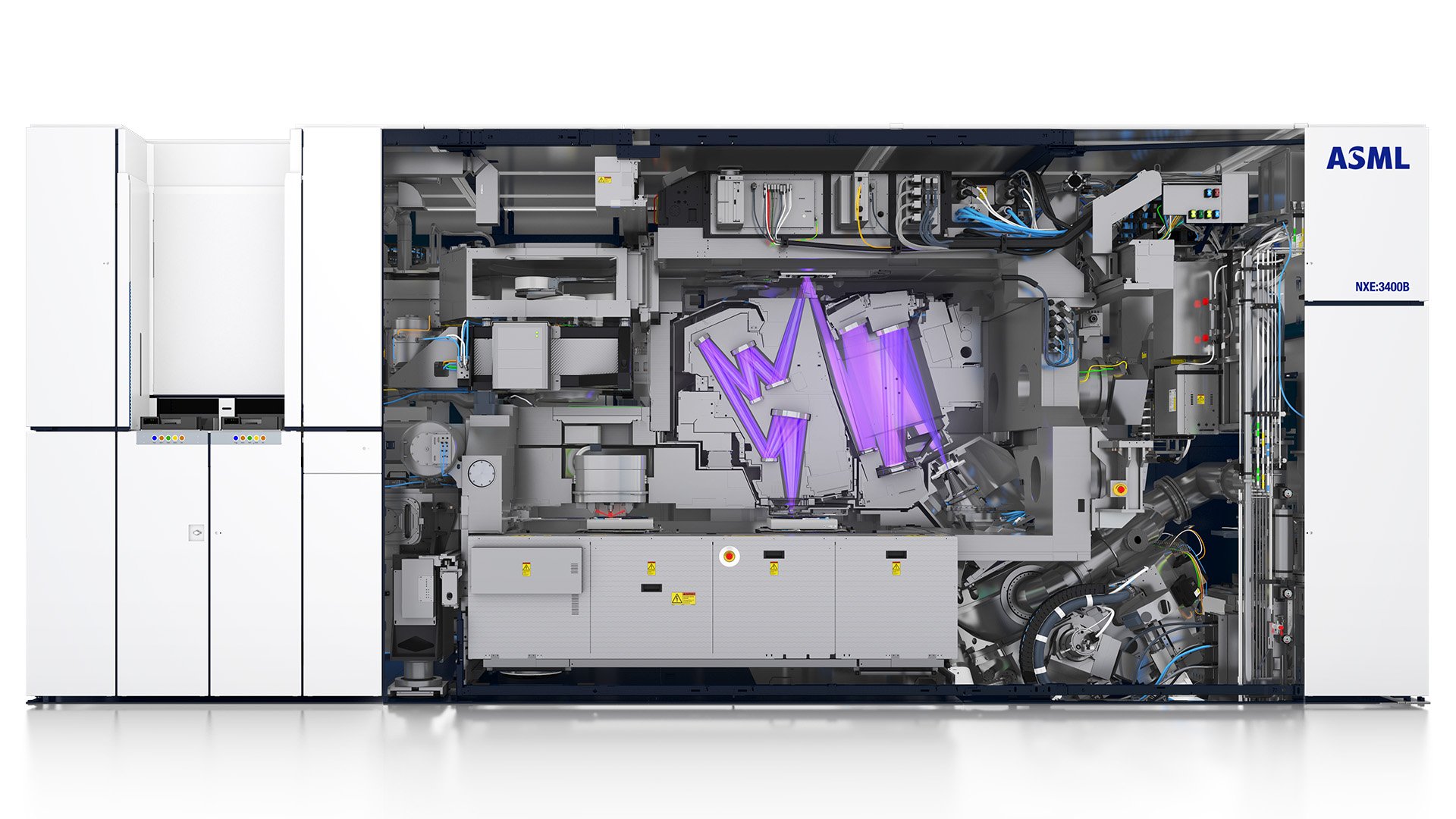
ASML remains the sole global manufacturer of EUV lithography machines, which are essential for producing chips at the 7-nanometer scale and below. Because of this monopoly, the company’s shipment logs are subject to intense intelligence monitoring by various governments. ASML has repeatedly emphasized that its internal compliance protocols include rigorous end-user verification, ensuring that machines are not diverted to unauthorized facilities or entities.

In response to circulating rumors, the company reaffirmed its commitment to transparency. According to filings available through the ASML Investor Relations portal, the firm continues to work closely with government agencies to ensure that all secondary-market sales and service agreements are compliant with international sanctions. The company’s ability to maintain its market position while operating within these geopolitical constraints has become a central point of analysis for financial observers monitoring the health of the global tech sector.
Why Chip Manufacturing Technology Matters
The focus on ASML equipment is driven by the strategic importance of semiconductors in modern economic and military infrastructure. High-end chips power everything from smartphones to advanced artificial intelligence systems and ballistic missile guidance computers. Consequently, the ability to manufacture these components locally is considered a matter of national security for major powers.
The current tension highlights a growing divide between globalized supply chains and the rise of “techno-nationalism.” As governments impose stricter controls on the sale of production equipment, companies are forced to balance the loss of access to the massive Chinese market against the requirement to maintain access to Western markets and intellectual property. According to a report by the Reuters news agency, the revocation of specific export licenses in early 2024 serves as a concrete example of how policy shifts directly impact the bottom line for firms operating in this sector.
Next Steps for Industry Oversight
The next major checkpoint for investors and analysts will be the release of the company’s upcoming quarterly financial results and any subsequent updates to the Dutch government’s export control list. These documents typically provide the most accurate picture of how trade restrictions are impacting operational revenue and regional sales volume.
As the international community continues to monitor the flow of critical technology, regulatory authorities are expected to increase the frequency of site inspections and audits for firms involved in high-tech manufacturing. Readers are encouraged to monitor official announcements from the Dutch Ministry of Foreign Affairs for the latest updates on export policy changes. Join the conversation below to share your perspectives on the future of global semiconductor trade and the impact of these regulations on the tech industry.
Related reading