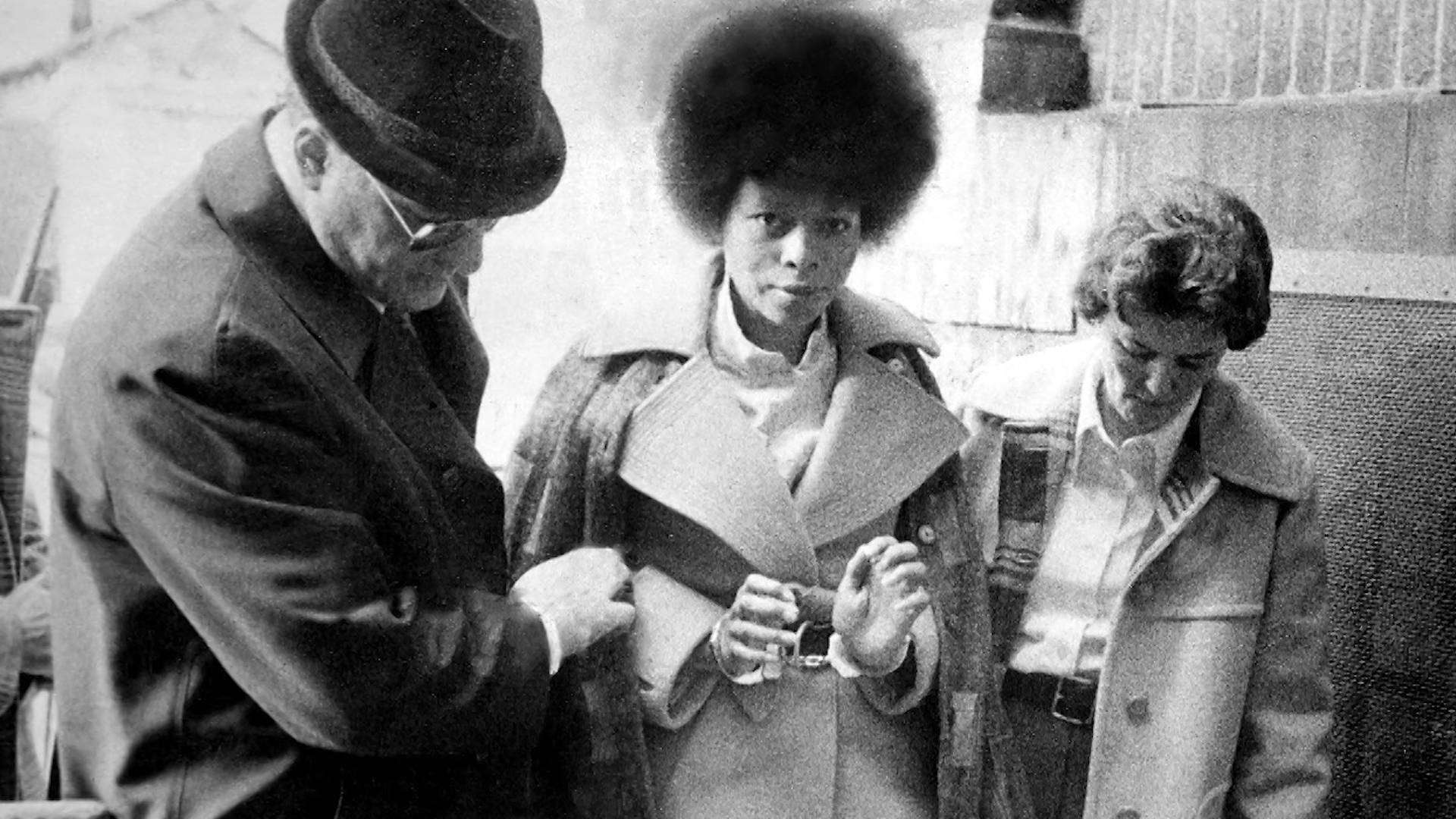
Remembering Assata Shakur: A Life Dedicated to Justice and Liberation
Assata Shakur, a pivotal figure in the Black liberation movement, passed away on Thursday at the age of 78 while living in exile in cuba. Her life was a testament to unwavering commitment to social justice, even in the face of intense persecution by the U.S. government. This article explores her story, her powerful words, and the enduring legacy she leaves behind.
From Activism to Exile
Born JoAnne Deborah Byron in 1947, Shakur became involved in activism during the Civil Rights Movement. She later joined the Black Panther Party and,later,the Black Liberation Army. She was a vocal critic of systemic racism and police brutality, dedicating her life to fighting for the liberation of Black people.
In 1977, Shakur was accused of the murder of a New Jersey State Trooper during a highway shootout. She maintained her innocence throughout a highly controversial trial. The proceedings where marred by accusations of misconduct, including threats against her lawyers and an all-white jury. Ultimately, she was convicted and sentenced to life in prison plus 33 years.
In 1979, Shakur escaped from prison with the help of fellow activists. She fled to Cuba, where she was granted political asylum and lived for over four decades.the U.S.government has long sought her extradition, labeling her a terrorist.
A Plea for Justice – For her People
even in exile, Shakur remained a powerful voice for justice. In a 1998 open letter to Pope John Paul II, read aloud on Democracy Now!, she eloquently articulated her viewpoint. She wasn’t primarily concerned with her own fate, but with the broader struggle for justice for Black people in the United States.
Here are key points from her letter:
* Questioning the Definition of Justice: Shakur challenged the notion of “justice” as defined by her persecutors, pointing to her own experiences with solitary confinement, threats against her legal depiction, and a biased trial.
* Prioritizing Collective Liberation: She emphasized that her personal freedom was inextricably linked to the liberation of her community. “When my people receive justice, I am sure that I will receive it, too,” she wrote.
* A Call to Action: shakur implored readers to examine the social realities of the U.S.and to speak out against human rights violations.
* Remembering the legacy of Freedom Fighters: On Martin Luther King Jr.’s birthday, she honored those who sacrificed for freedom, acknowledging that the fight for liberation continues globally.
* A Vision of a Just World: Shakur envisioned a world founded on social, political, and economic justice – a world where peace and prosperity are attainable for all.
She saw Cuba, despite its economic challenges, as a nation “rich in human wealth, spiritual wealth and moral wealth.” This underscored her belief in prioritizing human dignity over material possessions.
A Lasting Legacy
Assata Shakur’s story continues to resonate today, notably in the context of ongoing struggles against racial injustice and police brutality. She became a symbol of resistance and a source of inspiration for activists around the world.
Her case raises critical questions about:
* racial Bias in the Criminal Justice System: The circumstances surrounding her trial and conviction highlight the systemic biases that can permeate legal proceedings.
* Political Repression: shakur’s story exemplifies the lengths to which governments may go to suppress dissent and silence activists.
* The right to Self-Determination: Her decision to seek exile and her unwavering commitment to Black liberation underscore the importance of self-determination for marginalized communities.
You can learn more about Assata Shakur and her legacy through resources like:
* Her Autobiography: Assata: An Autobiography provides a firsthand account of her life and experiences.
* The Assata Legal Defense Fund: https://assatalegalfund.org/
* Documentaries and Articles: Numerous documentaries and articles explore her story and its significance.
Assata Shakur’s death marks the end of an era, but her spirit of resistance and her unwavering commitment to justice will undoubtedly
Related reading