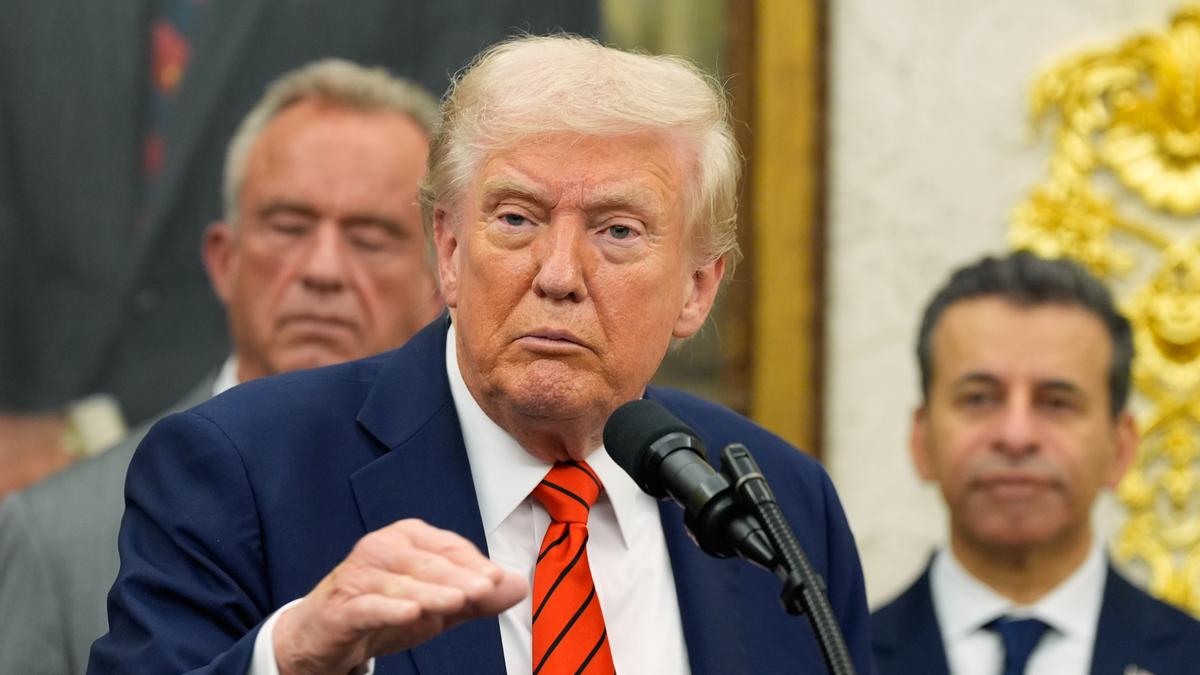
AstraZeneca Follows Pfizer, Agreeing to Lower Drug Prices for Medicaid in Landmark Trump Governance Deal
October 11, 2025 – In a notable progress for pharmaceutical pricing in the United States, AstraZeneca announced Friday it has reached an agreement with the Trump administration to lower prescription drug costs for Medicaid. This follows a similar deal struck with Pfizer late last month, and both represent a direct outcome of the administration’s aggressive stance on drug pricing and threat of substantial tariffs. The announcement, made in the oval Office with AstraZeneca CEO Pascal Soriot present, signals a potential shift in how Americans access and afford vital medications.
A Response to Pressure, a Promise of Lower Costs
The agreement centers around “most-favored-nation” pricing for Medicaid, meaning AstraZeneca will match the lowest price offered for its drugs in other developed nations. This commitment extends to all newly launched medications, ensuring future cost savings for the program.President Trump emphasized the historical disparity in drug pricing, stating, “For many years, Americans have paid the highest prices in the world for prescription drugs, by far,” and expressed optimism that this deal coudl lead to “the lowest price anywhere in the world.”
Mr. Soriot acknowledged the intensity of the negotiations, admitting that the pressure from President Trump and his team was considerable.”They really kept me up at night,” he stated, highlighting the seriousness with which AstraZeneca approached the discussions. The looming threat of tariffs, as outlined in a May executive order, served as a key catalyst for reaching a voluntary agreement.
What this Means for Patients and the Pharmaceutical Landscape
This deal impacts a substantial portfolio of AstraZeneca’s key medications, including critical cancer treatments like Tagrisso (lung cancer), Lynparza (ovarian cancer), and Calquence (chronic lymphocytic leukemia). these drugs alone generated over $7.5 billion in U.S. sales last year, making the potential cost reductions significant.
While advocates have largely welcomed the administration’s efforts, some caution that relying solely on voluntary agreements with manufacturers isn’t a sustainable long-term solution. They argue for broader policy changes and U.S. safeguards to guarantee continued affordability. However, the current agreements build upon the framework established by the May executive order, which demanded voluntary price reductions or faced government payment limitations. President Trump indicated further deals with other pharmaceutical companies are anticipated.
A $50 Billion Investment in American Manufacturing
Beyond pricing, AstraZeneca announced a substantial commitment to U.S. investment. The company plans to spend $4.5 billion on a new manufacturing plant near Charlottesville, Virginia, a project championed by Virginia Governor glenn Youngkin during the Oval Office announcement. This facility is the cornerstone of a broader $50 billion investment plan in the U.S. by 2030. AstraZeneca projects reaching $80 billion in total revenue by that year, with half of that generated within the United States.
President Trump predicted this investment will initially create 3,600 domestic jobs, underscoring the economic benefits alongside the potential healthcare savings. He was quick to dismiss any potential credit for the positive developments to the current administration,suggesting Democratic leaders might attempt to claim ownership.
Navigating a Complex Landscape: Biden’s Medicare Negotiations & Future Outlook
It’s important to note that some astrazeneca drugs are already subject to price reductions through the medicare negotiating strategy implemented under President Biden. Despite this, President Trump reiterated that the current agreements are a direct result of his administration’s actions.
Interestingly, AstraZeneca recently scaled back plans to expand a vaccine manufacturing plant in the United Kingdom, citing reduced government financial support as a contributing factor. This highlights the complex interplay of global economics and government incentives in the pharmaceutical industry.
TrumpRX.gov: A Direct-to-Consumer Initiative
The Trump administration is also launching TrumpRX.gov,a website designed to allow Americans to purchase drugs directly from manufacturers. Both Pfizer and AstraZeneca will participate, offering medications through the platform. However, the website is currently in a “Coming Soon” phase, with a planned launch in January 2026. The landing page prominently features images of President Trump and was designed by the National Design Studio, a new government website design hub created by executive order.
Expert Analysis & Implications
This series of agreements represents a significant,albeit potentially temporary,victory for the Trump administration in its ongoing effort to lower drug prices. The “most-favored-nation” pricing model, if widely adopted, could fundamentally alter the pharmaceutical market, forcing manufacturers to reassess their global pricing strategies.
However,the long-term impact remains to be seen. The reliance on voluntary agreements raises questions about sustainability
Keep reading
- US and Saudi Arabia Strike Iran-Backed Militias as Middle East Tensions Escalate
- Why the Trump Administration Manipulated Military Casualty Figures
- Dow Jones Plunges 555 Points as Middle East Tensions Spike Oil Prices (archyworldys.com)
- Trump Unveils $22.5 Billion Plan to Overhaul Dulles Airport Facilities (time.news)