
Astronomers have identified a new extreme trans-Neptunian object, designated 2017 OF201, which travels along a highly elongated orbit at the outer reaches of the solar system. The object is estimated to take approximately 25,000 years to complete a single orbit around the Sun, marking it as a significant addition to our understanding of the icy bodies residing in the distant Kuiper Belt and beyond. This discovery provides fresh data for planetary scientists mapping the gravitational landscape of the solar system’s furthest frontiers.
The identification of 2017 OF201 was made through data analysis of long-term deep-sky surveys. While the object is classified as a minor planet, its extreme orbital period places it in a category of bodies that spend the vast majority of their existence in the dark, cold regions far from the Sun’s direct influence. According to observational data from the Minor Planet Center (MPC), which maintains the official registry of small solar system bodies, the object’s trajectory suggests it is heavily influenced by the gravitational tugs of the giant planets, even at its closest point of approach.
Understanding Trans-Neptunian Objects
Trans-Neptunian objects (TNOs) are bodies that orbit the Sun at a greater average distance than Neptune. These objects are remnants from the formation of the solar system, providing a “frozen” record of the early conditions in the protoplanetary disk. As reported by NASA’s Solar System Exploration program, the study of these distant bodies helps scientists refine models of how the giant planets migrated to their current positions billions of years ago.
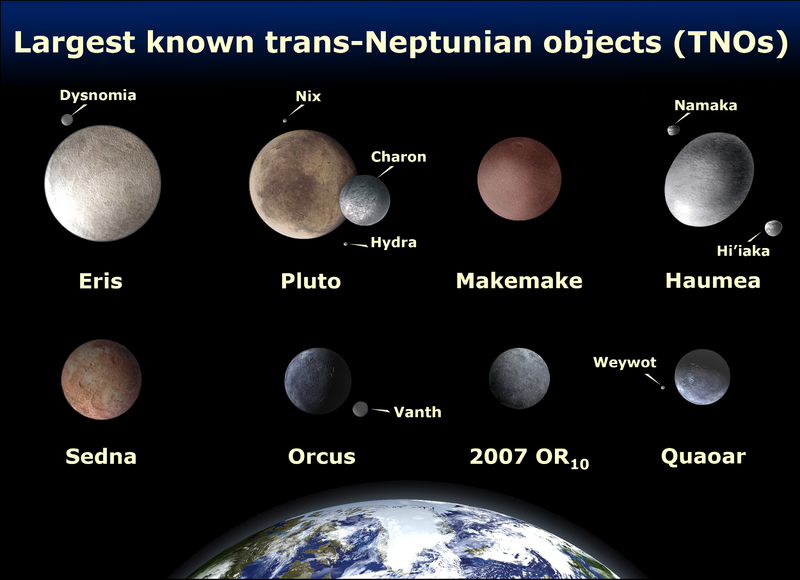
The orbital period of 25,000 years for 2017 OF201 indicates a semi-major axis that extends deep into the scattered disk, a region populated by objects with unstable, highly elliptical orbits. Because these objects are so dim and distant, they are typically detected only when they move closer to the Sun, or through long-exposure survey technology that can track faint, slow-moving points of light against the static background of distant stars.
Orbital Dynamics and Solar System Evolution
The discovery of 2017 OF201 contributes to the growing census of objects that reside in the Oort Cloud or the scattered disc. By analyzing the path of this object, researchers can infer the presence of unseen gravitational influences, including the potential for undiscovered massive bodies in the outer reaches of the solar system. The International Astronomical Union (IAU) notes that the cataloging of such objects is essential for understanding the dynamical history of the solar system, as these bodies act as tracers for past gravitational interactions.
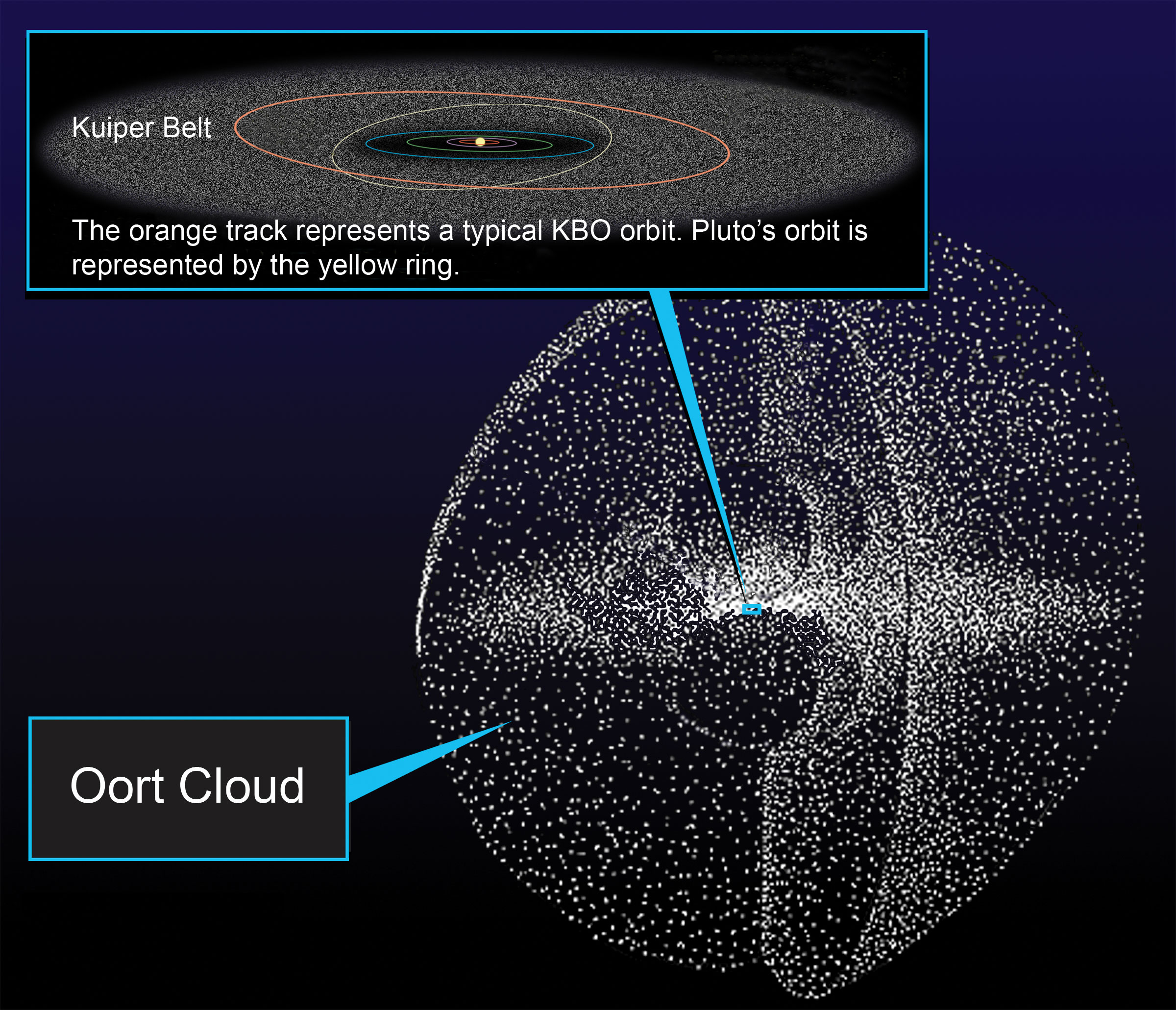
Unlike planets, which have cleared their orbital paths, dwarf planets and TNOs like 2017 OF201 remain in a state of relative transition. Their orbits are often inclined at significant angles to the ecliptic plane, the flat disc where the major planets orbit. This inclination is a telltale sign that the object has been subjected to significant gravitational scattering events earlier in the solar system’s history.
What Comes Next for Researchers
The immediate goal for the scientific community is to secure more precise astrometric measurements to refine the object’s orbital parameters. Increased observation time allows for the reduction of uncertainty in the object’s trajectory, which is vital for determining whether it will eventually be captured by a giant planet or ejected into interstellar space. Astronomers typically use ground-based observatories and space-based assets to track these faint targets over several years to ensure the data remains robust.

Future surveys, such as those planned for the Vera C. Rubin Observatory, are expected to increase the discovery rate of such distant objects by orders of magnitude. These upcoming efforts aim to map the outer solar system with unprecedented detail, potentially identifying thousands of new bodies similar to 2017 OF201. For the latest confirmed data on this object and others, researchers and the public can monitor the JPL Small-Body Database, which provides the most accurate and up-to-date orbital elements available to the scientific community.
As we continue to peer into the dark edges of our neighborhood, each discovery like 2017 OF201 serves as a reminder of how much of the solar system remains unexplored. We encourage our readers to share their thoughts on the search for distant planetary bodies in the comments below, and to follow our ongoing coverage of space exploration and astronomical breakthroughs.
Keep reading
- Critical BMC Vulnerabilities Allow Remote Backdoors in Thousands of Enterprise Servers
- GTA 6 Release Date, Netflix Trailer & Take-Two Updates: Everything We Know
- Tariff vs. Price Floor: What Trump's New Solar Rule Does (daybreakwire.com)
- Felix Vu Installs New System as Providence Men’s Soccer Prepares for 2026 (news-usa.today)