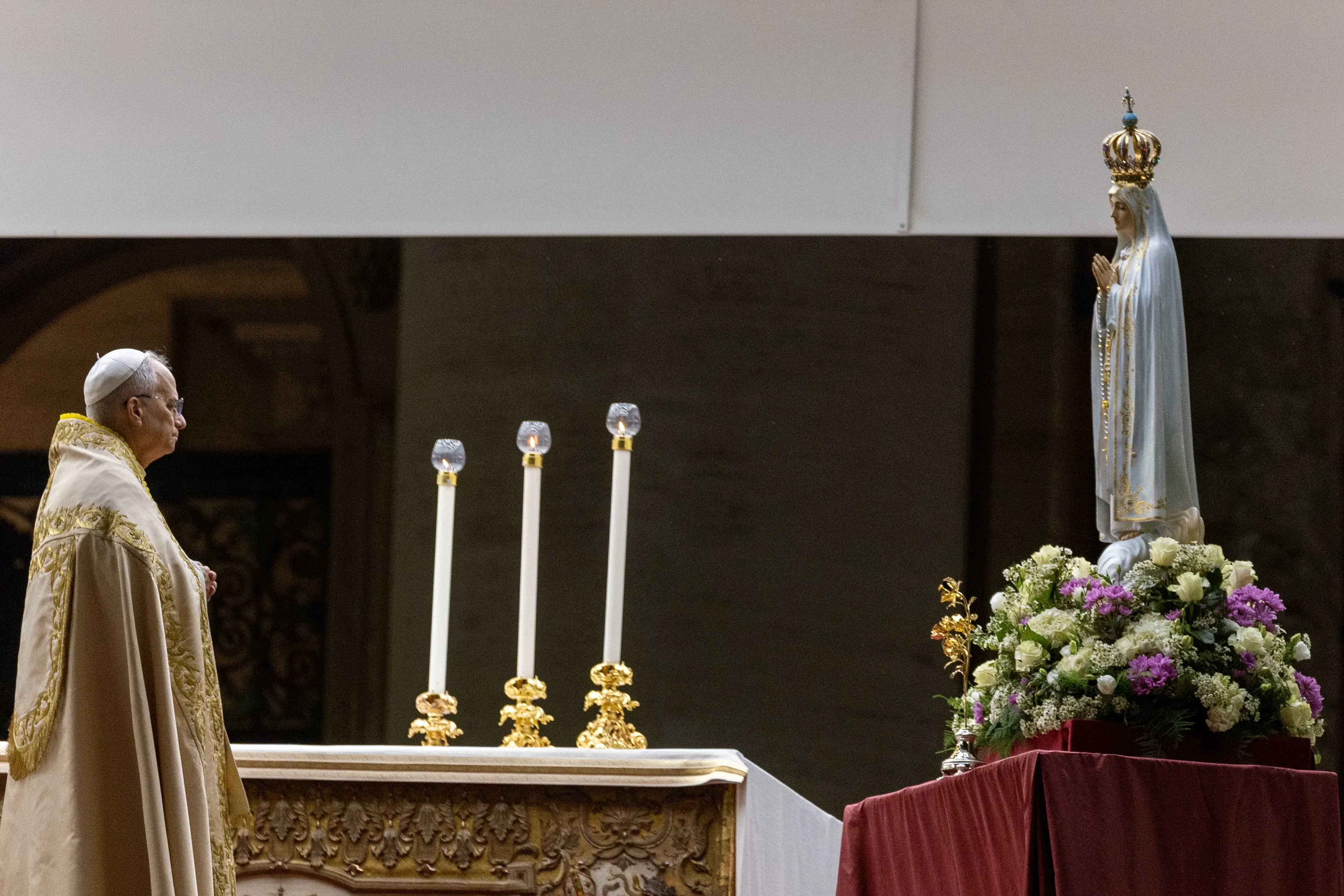
The Vatican and the global Catholic Church continue to serve as central points of reference for millions of believers, navigating the intersection of spiritual guidance and international public health challenges. As the Holy See maintains its diplomatic and pastoral presence across diverse global territories, the institution frequently addresses humanitarian crises and the preservation of cultural heritage, often coordinating responses through its various congregations and local dioceses.
In recent years, the Vatican’s role in global affairs has been characterized by a dual focus: providing a moral compass during public health emergencies and managing the administration of historic sites of immense cultural significance. According to the Holy See’s official press office, the Vatican’s outreach often involves mobilizing global prayer initiatives and issuing guidance on health-related ethical considerations, while simultaneously overseeing the operational status of major pilgrimage sites, such as the Vatican Museums and the Church of the Holy Sepulchre in Jerusalem.
The Role of the Vatican in Global Health Initiatives
During periods of international health crises, the Vatican has historically utilized its global network to promote unity and spiritual support. For instance, in March 2020, Pope Francis called for a worldwide moment of prayer to address the onset of the COVID-19 pandemic, emphasizing solidarity across borders. This initiative was part of a broader effort by the Catholic Church to maintain pastoral care while adhering to local safety mandates, as reported by Vatican records of papal events.
Beyond prayer, the Vatican’s engagement with public health involves the Dicastery for Promoting Integral Human Development, which coordinates the Church’s response to health emergencies. This body works to ensure that healthcare remains accessible and that ethical standards in medical research are upheld. As noted by the Dicastery for Promoting Integral Human Development, the Church’s approach is rooted in the principle of “integral human development,” which treats health as a fundamental component of the dignity of the human person.
Management of Historic Religious Sites
The Vatican oversees or collaborates in the management of some of the world’s most significant religious and cultural sites. The Vatican Museums, which house an extensive collection of art and historical artifacts, operate under strict preservation and visitor guidelines established by the Governorate of Vatican City State. These sites serve as both centers for artistic appreciation and pilgrimage destinations, requiring a balance between public access and the protection of irreplaceable history.
Similarly, the Church of the Holy Sepulchre in Jerusalem remains a focal point for international ecclesiastical cooperation. The site is managed under the Status Quo, a 19th-century agreement that governs the rights and responsibilities of the various Christian denominations that share the space. As documented by the Custody of the Holy Land, which represents the Franciscan presence in the region, the coordination between these groups is essential to the daily operation of the site, ensuring that it remains open for pilgrims despite the complex geopolitical landscape of the Middle East.
Institutional Coordination and Future Outlook
The relationship between the Vatican and the global Church is maintained through the work of the Roman Curia, which acts as the administrative apparatus for the Holy See. This structure allows the Vatican to communicate policy and pastoral directives to dioceses worldwide. According to the Apostolic Constitution Praedicate Evangelium, issued in 2022, the reorganization of the Curia was intended to foster a more missionary spirit and improve coordination between the central administration and local churches.
This administrative framework is particularly vital when addressing challenges that span multiple continents, such as climate change, migration, and the protection of vulnerable populations. By leveraging its diplomatic status, the Holy See participates in international forums, including the United Nations, to advocate for policies aligned with Catholic social teaching. These efforts are tracked through the official archives of the Holy See, which provide a comprehensive view of the Church’s ongoing diplomatic and social engagements.

As the Church looks toward future synodal processes, the focus remains on enhancing dialogue between the Vatican and the global faithful. The ongoing synod on synodality, which began in 2021, aims to incorporate the voices of local parishes into the broader decision-making processes of the Church. Readers interested in following these developments can monitor the official Synod website for updates on upcoming assemblies and final reports.
The next major milestone for the global Church is the conclusion of the current synodal assembly, with final documents expected to guide institutional priorities for the coming years. We encourage our readers to participate in the conversation by sharing their perspectives on these global developments in the comments section below.