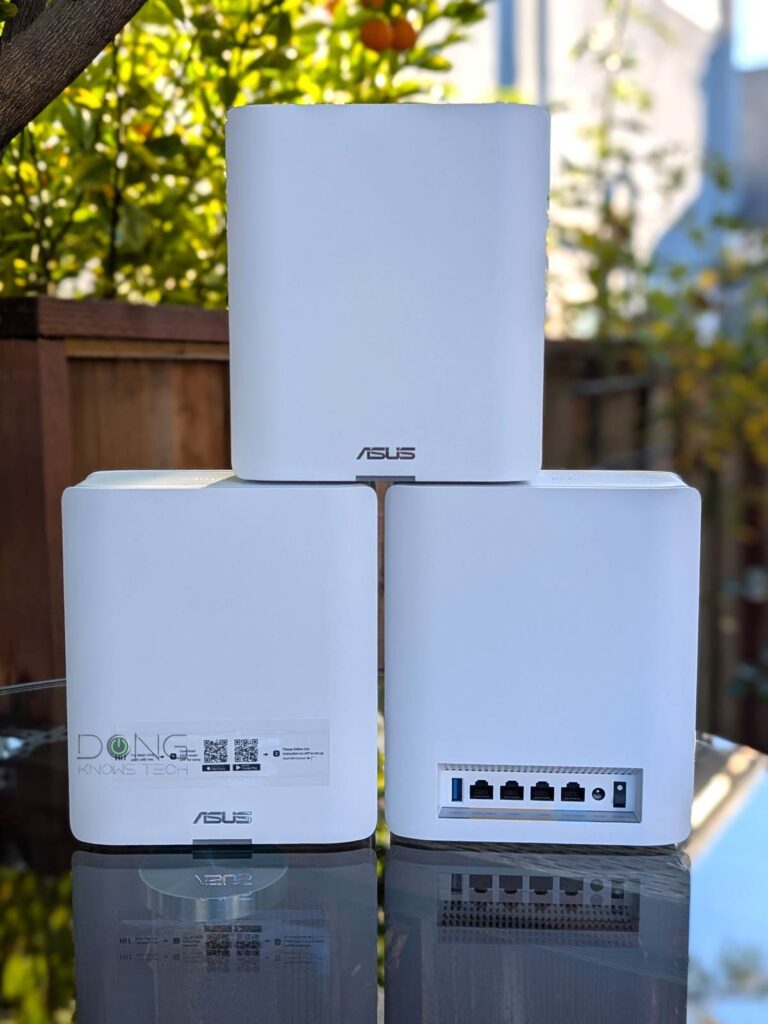
ASUS ZenWiFi BT8 Mesh System: Specialized High-Performance Networking for Complex Environments
As the density of smart devices in the modern home continues to climb, the demand for seamless, high-capacity wireless coverage has moved from a luxury to a fundamental necessity. For many, the traditional single-router setup is no longer sufficient to penetrate the architectural complexities of modern living spaces—from thick concrete walls to sprawling multi-story layouts. This has paved the way for the rise of mesh networking, a technology designed to eliminate “dead zones” by using multiple interconnected nodes to create a single, unified network.
The latest entry in this competitive landscape, the ASUS ZenWiFi BT8 mesh system, has arrived at a pivotal moment in wireless evolution. While ASUS has long been a staple in the networking industry, the ZenWiFi BT8 is generating specific discussion within the tech community regarding its intended use case. Rather than being marketed as a “one-size-fits-all” solution for the average household, recent technical assessments suggest that the system’s true strengths are realized in highly specific, or “edge case,” scenarios.
For consumers navigating the crowded market of Wi-Fi 6E and Wi-Fi 7 hardware, understanding whether a high-end mesh system like the BT8 is a necessary upgrade or an over-engineered luxury is critical. This analysis explores the technical architecture of the ZenWiFi BT8, the nuances of its performance profile, and why its specialized capabilities might make it a powerhouse for certain users while remaining niche for others.
The ASUS ZenWiFi BT8: A Specialized Entry in the Mesh Ecosystem
The ZenWiFi series by ASUS has historically focused on balancing ease of use with robust performance. The BT8 continues this lineage, positioning itself within the premium tier of the ASUS networking portfolio. Unlike entry-level mesh kits that prioritize simple plug-and-play functionality for small apartments, the BT8 is engineered to handle much higher throughput and more complex device management tasks.
The “edge case” designation often applied to this system typically refers to its performance under extreme conditions. In the world of networking, an edge case isn’t just a rare occurrence; it describes environments where standard consumer hardware typically fails. This includes homes with extreme signal interference, massive square footage that requires high-speed wireless backhaul, or environments with a massive number of simultaneous high-bandwidth connections, such as 8K streaming, competitive gaming, and heavy IoT (Internet of Things) density.
By targeting these specific environments, ASUS is signaling that the BT8 is not merely a way to “get Wi-Fi in the bedroom,” but a sophisticated infrastructure tool designed to maintain low latency and high stability when the network is pushed to its absolute limits. This distinction is vital for potential buyers to recognize: the BT8 is a precision instrument designed for high-demand digital lifestyles.
Decoding the “Edge Case” Performance Profile
To understand why a mesh system might be described as “only truly strong in edge cases,” one must look at the trade-offs inherent in high-end networking hardware. High-performance mesh nodes often utilize multiple bands—such as 2.4 GHz, 5 GHz, and the newer 6 GHz bands—to manage both client traffic and the “backhaul” (the communication between the nodes themselves).
In a standard home with moderate usage, a mid-range mesh system can easily handle the load. However, the ZenWiFi BT8 appears to be optimized for scenarios where the backhaul requirements are immense. For instance, if a user is attempting to maintain multi-gigabit speeds across a large distance without a wired Ethernet connection between nodes, the BT8’s specialized radio configurations may provide a level of stability that cheaper alternatives cannot match.
There are three primary scenarios where the BT8’s architecture likely provides a decisive advantage:
- High-Interference Environments: In dense urban areas where dozens of neighboring Wi-Fi networks compete for airwaves, the BT8’s ability to navigate complex frequency landscapes becomes a critical asset.
- Extreme Distance/Obstruction: While most mesh systems struggle once they encounter significant physical barriers, the BT8’s signal processing is geared toward maintaining high-speed links even when the signal-to-noise ratio is less than ideal.
- Congested Device Density: For “smart homes” featuring hundreds of connected devices—ranging from security cameras and smart appliances to high-end workstations—the BT8’s capacity to manage massive device tables and prevent packet collisions is a key differentiator.
However, this specialization means that for a user with a standard, medium-sized home and a moderate number of devices, the advanced features of the BT8 may remain largely dormant. In such cases, the performance gains over a more affordable system may not justify the higher price point, which is a common critique of specialized high-end hardware.
Technical Deep Dive: The Science of Mesh Stability
To appreciate the value of a system like the BT8, This proves helpful to understand the underlying technologies that modern mesh systems use to maintain connection integrity. At the core of any high-performance mesh system is the management of backhaul. The backhaul is the “invisible highway” that connects the various nodes in your house. If the backhaul is weak, every device connected to that node will suffer from high latency and slow speeds, regardless of how close they are to the node itself.
Advanced systems typically employ one of three backhaul methods:

- Wireless Backhaul: The nodes communicate with each other over dedicated Wi-Fi bands. This is the most convenient method but is susceptible to interference and physical obstructions.
- Ethernet Backhaul: The nodes are physically connected via Ethernet cables. This is the gold standard for stability and speed, as it removes the wireless overhead entirely.
- Tri-Band or Quad-Band Architecture: This is where systems like the ZenWiFi BT8 excel. By dedicating specific radio bands exclusively to the backhaul, the system ensures that client devices (your phones, laptops, and TVs) do not have to compete with the nodes’ own internal communication for bandwidth.
the integration of technologies like MU-MIMO (Multi-User, Multiple-Input, Multiple-Output) and Beamforming plays a crucial role. MU-MIMO allows a router to communicate with multiple devices simultaneously rather than sequentially, significantly reducing wait times in crowded networks. Beamforming allows the router to “shape” its signal, directing it toward specific devices rather than broadcasting it in a generic circle, which improves both range and speed.
In the context of the ZenWiFi BT8, these technologies are likely tuned for maximum efficiency in high-load scenarios. When a system is described as being strong in “edge cases,” it often means the implementation of these technologies is robust enough to handle the “noise” and “congestion” that would cause a standard router to drop connections or throttle speeds.
Is the ZenWiFi BT8 Right for Your Home?
Choosing a networking solution requires an honest assessment of your environment and your digital habits. The ASUS ZenWiFi BT8 is a high-performance tool, and like any specialized tool, it is most effective when used for its intended purpose.
The “Yes” List: Who Should Consider the BT8
You may find the ZenWiFi BT8 to be a worthwhile investment if you fall into one of the following categories:
- The Prosumer/Power User: If you frequently download massive files, host local servers, or engage in low-latency competitive gaming, the stability of the BT8’s backhaul will be noticeable.
- The Large-Scale Smart Home Owner: If your home is integrated with a vast array of IoT devices that require constant, reliable connectivity, the BT8’s device management capabilities provide much-needed headroom.
- The Architecturally Challenged: If you live in a home with non-standard construction materials (like stone, brick, or heavy plaster) that traditionally kill Wi-Fi signals, the BT8’s specialized signal handling may be the only way to achieve consistent coverage.
The “No” List: Who Should Look Elsewhere
You might be better served by a more cost-effective mesh system if:
- You have a standard residential layout: In a typical modern home with drywall and moderate square footage, a mid-range Wi-Fi 6 or 6E mesh system will likely provide a near-identical experience at a fraction of the cost.
- Your device count is low: If your household primarily consists of a few laptops, smartphones, and a smart TV, you are unlikely to ever hit the performance ceilings that the BT8 is designed to manage.
- Budget is a primary concern: High-end networking hardware carries a premium. Without the specific environmental challenges mentioned above, that premium may result in diminishing returns.
Key Takeaways for Network Planning
Before committing to a high-end mesh system like the ASUS ZenWiFi BT8, consider these final strategic points:
- Map your Dead Zones: Use a Wi-Fi analyzer app to identify exactly where your current signal fails. Is it due to distance, or is it due to physical obstructions?
- Evaluate your Backhaul: If you have Ethernet ports in your walls, any mesh system can perform well with a wired backhaul. If you rely entirely on wireless backhaul, you need a high-end system like the BT8.
- Future-Proofing: Consider whether your current devices support the latest standards (like Wi-Fi 6E or 7). Buying a high-end router is only effective if your client devices can actually utilize the increased bandwidth.
Frequently Asked Questions
What does “edge case” mean in networking?
In networking, an edge case refers to extreme or atypical operating conditions—such as extreme signal interference, massive device density, or very large distances—that exceed the capabilities of standard consumer-grade hardware.

Does the ZenWiFi BT8 require a wired connection to work?
No, it is a mesh system designed to work wirelessly. However, like all high-end mesh systems, it can also utilize an Ethernet backhaul for even higher performance and stability.
How is the BT8 different from the standard ZenWiFi models?
The BT8 is positioned as a higher-tier model, likely featuring more advanced radio configurations, higher throughput capacities, and better optimization for high-density or high-interference environments compared to the entry-level ZenWiFi units.
As ASUS continues to iterate on its ZenWiFi line, we expect further updates regarding software optimizations and potential new hardware iterations. We will continue to monitor official ASUS announcements for technical specifications and new product releases in the networking space.
What are your experiences with high-end mesh systems? Do you find the extra cost justifies the performance in your home? Let us know in the comments below and share this article with your fellow tech enthusiasts.