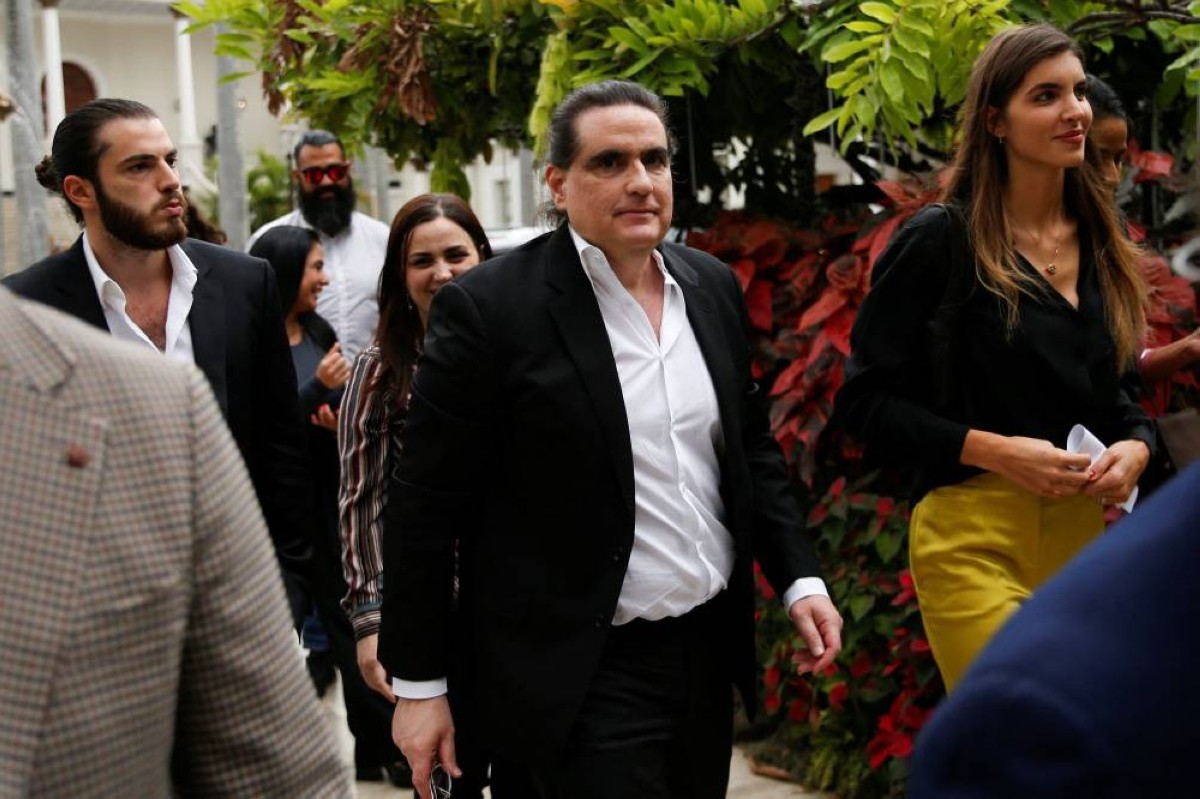
CARACAS, Venezuela — In a significant move that underscores the rapidly shifting political landscape in South America, Venezuela expelled Alex Saab, a prominent ally of the deposed president Nicolás Maduro, to the United States on Saturday, May 16, 2026.
The expulsion, which occurred over the weekend, marks a decisive moment in the ongoing transition of power within Venezuela. Saab, a former Venezuelan industry minister and one of the most influential figures within the former administration’s inner circle, is expected to face legal proceedings in the United States related to previous investigations into his business activities and political affiliations.
This development comes in the wake of the profound political upheaval that has characterized Venezuela throughout 2026. Following a period of intense international scrutiny and domestic instability, the administration of Nicolás Maduro has been dismantled, leaving a vacuum that the current interim authorities are working to navigate amidst complex relations with the international community.
Legal Proceedings and the Path Forward in the United States
The decision to expel Saab is being viewed by geopolitical analysts as a critical step in the judicial decoupling of the former administration from the current governing structures in Caracas. While the specific nature of the charges Saab will face has not been detailed in a single comprehensive filing, the move to transfer him to U.S. Jurisdiction is intended to address long-standing legal challenges regarding financial impropriety and international sanctions violations.
For the United States, the arrival of Saab represents a significant development in high-level legal efforts to address corruption and illicit financial flows linked to the previous Venezuelan leadership. Legal experts suggest that the proceedings will likely focus on the mechanisms used to bypass international economic restrictions during the Maduro era.
The transition of Saab from Venezuelan custody to U.S. Legal oversight is expected to provide a clearer picture of the financial networks that sustained the former government. As the legal process unfolds, international observers will be closely monitoring whether these proceedings lead to further indictments or provide a roadmap for restorative justice within the country.
A Turning Point in Venezuelan Governance
The expulsion of a figure as high-profile as Alex Saab is more than a mere legal extradition; it is a powerful symbol of the “new” Venezuela. For years, Saab was considered a central pillar of the Maduro government’s economic and political strategy, acting as a bridge between the state and various international commercial interests.
His removal from the country signals that the current authorities are distancing themselves from the personnel and practices of the deposed regime. This move is part of a broader effort to stabilize the nation and signal to global markets and international bodies that the era of sanctioned and isolated governance is being actively dismantled.
However, the process remains fraught with tension. The political transition in Venezuela remains delicate, as the country continues to grapple with the aftermath of the events of early 2026. The expulsion of key allies like Saab serves as a litmus test for how the current administration will handle the remnants of the previous power structure—whether through reconciliation or through rigorous legal accountability.
Who is Alex Saab?
To understand the weight of this expulsion, one must understand the role Alex Saab played in the Venezuelan political economy. As a former industry minister, Saab was not merely a political figure but a key economic actor. He was widely recognized as one of the most trusted associates of Nicolás Maduro, often involved in high-stakes negotiations and complex international transactions.
Saab’s influence extended far beyond domestic policy, reaching into the spheres of international trade and finance. His ability to navigate the complexities of global markets while maintaining the support of the Venezuelan state made him a central figure in the country’s attempt to mitigate the impact of international sanctions. His presence in the political sphere was often a point of contention for international regulators and governments seeking to enforce transparency and anti-corruption measures.
With his expulsion, the Venezuelan government is effectively removing one of the most visible links to the previous administration’s economic operations, potentially opening the door for a more transparent approach to the nation’s industrial and commercial sectors.
Key Takeaways: The Saab Expulsion
- Immediate Action: Alex Saab, a former industry minister and close ally of Nicolás Maduro, was expelled from Venezuela to the United States on Saturday, May 16, 2026.
- Legal Objective: The expulsion is intended to facilitate legal proceedings in the United States regarding past financial and political activities.
- Political Symbolism: The move signals a significant departure from the previous administration’s leadership and a step toward distancing the current government from the Maduro era.
- Geopolitical Impact: The event marks a critical juncture in US-Venezuela relations and the ongoing efforts to address corruption and sanctions-related issues.
As the legal proceedings against Alex Saab begin in the United States, the international community will be watching to see how this case influences the broader stabilization of Venezuela and the future of its diplomatic relations with the West.

Next Update: We will continue to monitor the formal commencement of legal hearings in the United States and provide updates on any official statements from the Venezuelan interim government.
What are your thoughts on this development? How do you think the expulsion of key Maduro allies will impact Venezuela’s path toward stability? Share your views in the comments below and share this article to keep the conversation going.