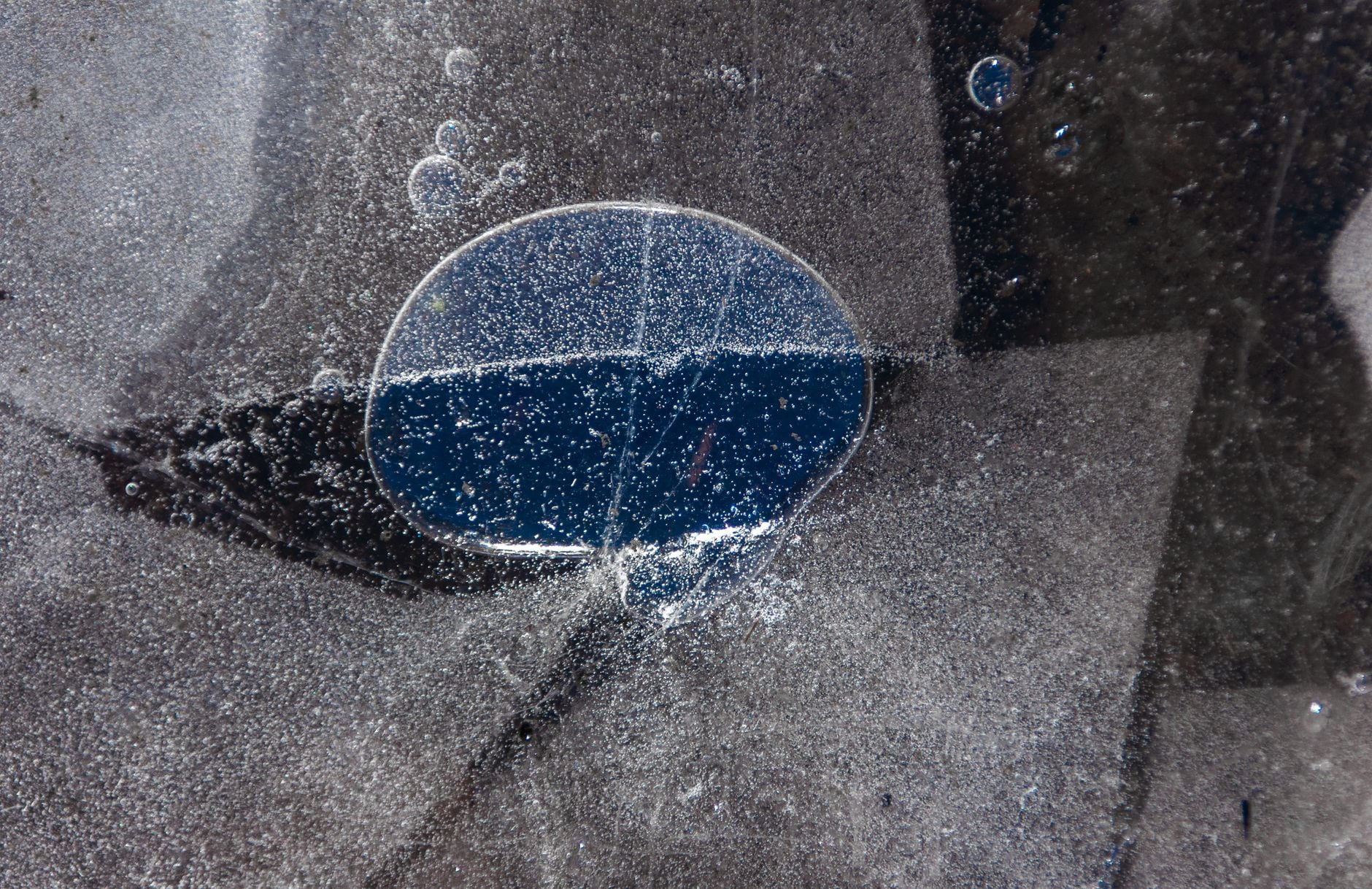
While these subsurface seas expand our search for habitable environments, new computer simulations reveal that thick ice shells and turbulent fractures may block ocean water from ever reaching the surface.
Liquid water is no longer considered a luxury exclusive to Earth or worlds tucked close to the Sun. Planetary scientists now track an expanding roster of moons in the outer solar system thought to host vast hidden reservoirs of liquid water, maintained under thick shells of ice through combinations of radioactive decay, salts, ammonia, and intense gravitational flexing as reported by Spacedaily.
Europa’s Massive Saltwater Sea and Towering Ice Shell
Jupiter’s moon Europa remains a primary focus in the search for extraterrestrial habitability. Scientists estimate that its hidden global ocean holds more than twice as much water as all of Earth’s oceans combined, wrapped around a rocky seafloor where hydrothermal activity could potentially supply chemical nutrients according to NASA. That subsurface sea is sustained by tidal flexing, as Jupiter’s powerful gravitational pull repeatedly squeezes and stretches the moon during its orbit.
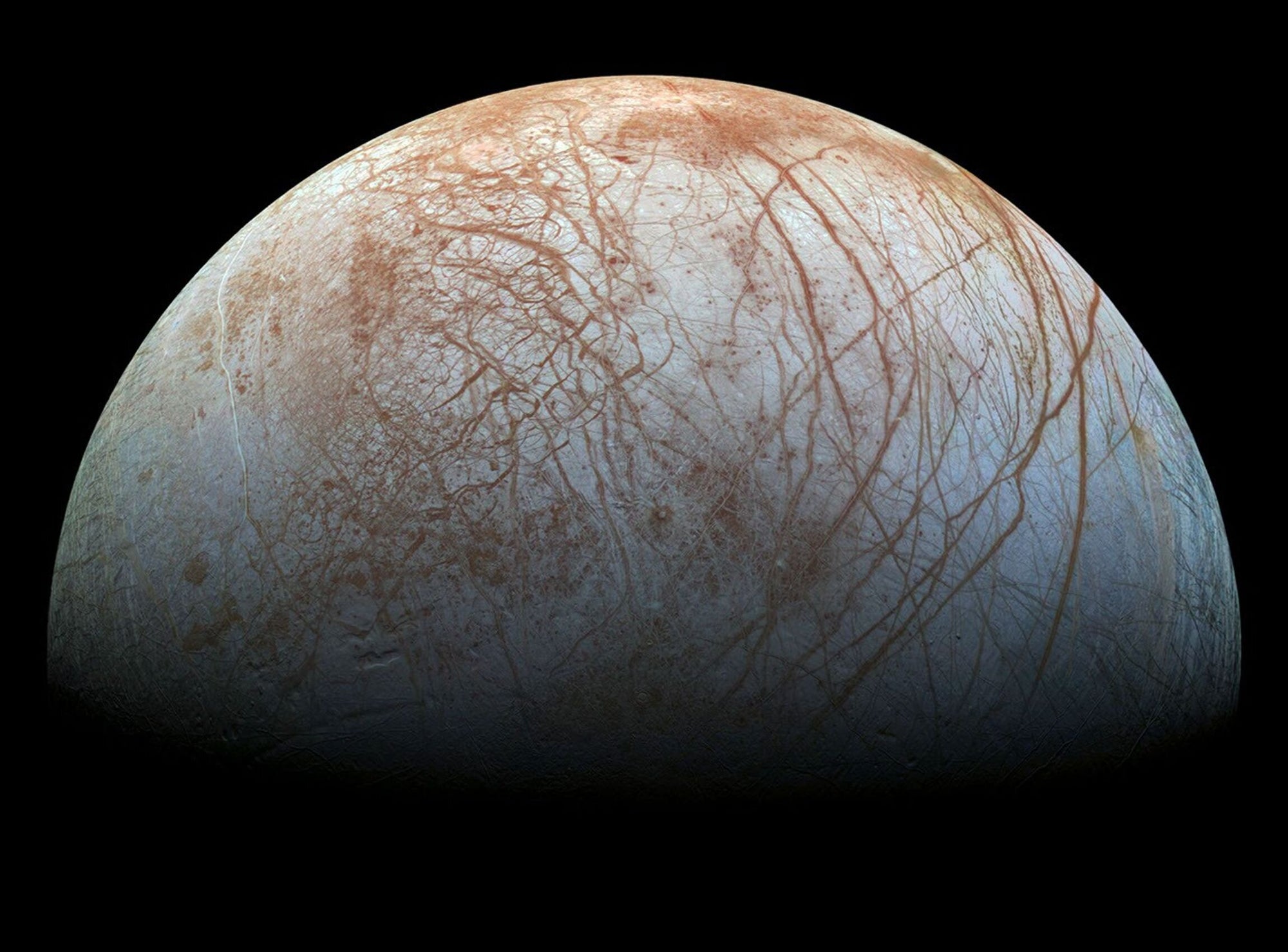
However, getting a clear picture of what lies beneath that icy facade has proved formidable. The resulting analysis, led by Steve Levin and published in Nature Astronomy, produced a central estimate of 29 kilometres of cold, conductive ice resting above the liquid layer—a frozen barrier taller than three Mount Everests stacked end to end.
Turbulent Fractures and the Frozen Barrier Challenge
That staggering thickness complicates long-held theories about how scientists might detect signs of life.

New computational modeling led by planetary scientist Lujendra Ojha at Rutgers University challenges that assumption. Published in Nature Astronomy, the study reveals that fluid moving upward through deep ice cracks would not flow in an orderly, laminar fashion.
“This water that’s going to come up, it’s going to be turbulent. It’s going to be left and right, it’s going to be up and down, it’s going to have a swirling motion. And when that happens, that liquid water is going to cool very, very fast as it approaches the surface.”
Lujendra Ojha, planetary scientist at Rutgers University
As the water cools below its normal freezing point, it becomes supercooled and forms microscopic ice crystals known as frazil ice. These crystals accumulate quickly, clogging narrow fractures and freezing them shut within hours. The simulations indicate that if shallow liquid pockets do exist within Europa’s crust, they likely originate from localized internal friction and melting within the ice shell itself rather than direct upwelling from the deep global ocean below.
Implications for Flagship Missions to the Jovian System
These discoveries provide vital theoretical context for spacecraft currently speeding toward the Jupiter system.
Understanding that Europa’s ice shell acts as a rigid, thermally active barrier helps mission scientists calibrate how they interpret upcoming radar and compositional data. Whether the ice blocks direct access to ancient organic chemistry or harbors localized pockets of melt, the upcoming generation of orbital missions will test models of icy worlds across our solar system.
Related reading