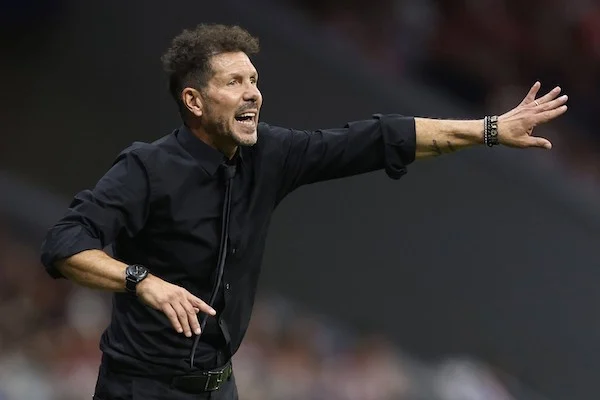
For supporters of Atlético Madrid, victory is rarely a simple matter of joy. Under the long-term stewardship of Diego Simeone, the club has cultivated a distinct identity rooted in resilience, grit, and a peculiar embrace of struggle. This psychological bond between the team and its fanbase—where the “true enjoyment” is found in the agony of the fight—was on full display following their recent clash with FC Barcelona.
The emotional intensity surrounding the rivalry reached a fever pitch after Atlético Madrid secured a 2-0 victory against Barcelona in the first leg of the UEFA Champions League quarterfinals. For the colchoneros, the result was more than just a tactical success; it was a validation of their philosophy of suffering through adversity to achieve a result. However, the victory was not without its controversies, leaving both sides with starkly different interpretations of how the match was officiated.
Although Atlético fans celebrated a historic result, FC Barcelona expressed profound frustration over what they termed “unfathomable refereeing decisions.” The tension highlights the volatile nature of this fixture, where the margin between triumph and tragedy is often decided by a single whistle or a momentary lapse in judgment.
The Drama at Spotify Camp Nou
The first leg of the Champions League quarterfinal saw Atlético Madrid break a long-standing drought, beating Barcelona at Camp Nou for the first time since 2006, effectively ending a 25-game winless streak at the venue. The 2-0 victory placed Atlético in a commanding position heading into the second leg.
Despite the scoreline, the match was marred by a contentious incident in the 54th minute that became the focal point of post-match anger for the Catalan side. During a goal kick, goalkeeper Juan Musso passed the ball to center back Marc Pubill, who then handled the ball before kicking it back to the goalkeeper. Barcelona players and staff, including manager Hansi Flick, argued that Pubill should have been penalized for a handball in the box, which they believe should have resulted in a penalty and a second yellow card for the defender.
The frustration was compounded by the fact that Barcelona had to play the entire second half with only 10 men. While the team did not play poorly and created several chances, they were unable to convert those opportunities into goals, allowing Atlético to maintain their lead and secure the win.
The Psychology of “Sufferance” in Simeone’s Atlético
The concept of suffering—or sufrimiento—is central to the identity of Diego Simeone’s Atlético Madrid. For many fans, the appeal of the club lies in the “perverse pleasure” of enduring stress and hardship, even when the team is winning. This mentality transforms a football match from a mere sporting event into a test of character and loyalty.
This emotional connection is deeply ingrained in the club’s culture. The idea that the true reward comes only after a period of intense struggle mirrors the tactical approach on the pitch: a disciplined, defensive structure that absorbs pressure and strikes with precision. When Atlético wins, the victory feels earned through hardship, which enhances the eventual satisfaction for the supporters.
Historical Precedents and the Metropolitano Factor
As the series moves to the Metropolitano Stadium, Barcelona will look to history for a reason to believe. The club has a precedent for mounting dramatic recoveries in that specific environment. On March 16, 2025, Hansi Flick’s side managed a remarkable comeback in a LaLiga fixture, overturning a 2-0 deficit to win 4-2 within a span of just 20 minutes.
That particular match featured a striking coincidence: Atlético’s goals were scored by Julián Álvarez (45’) and Alexander Sørloth (70’). In a mirroring of events, those same players scored in the exact same minutes during the first leg of the current Champions League quarterfinal. For those who believe in numerology, this parallel provides a psychological boost for Barcelona.
The 2025 comeback began in the 72nd minute with a goal from Robert Lewandowski, followed by a header from Ferran Torres in the 78th minute. Lamine Yamal then scored in the 92nd minute to develop it 3-2, and Ferran Torres added a fourth in the 98th minute to seal the 4-2 victory. This history proves that Atlético’s lead can evaporate quickly, regardless of the scoreline heading into the final stages of the game.
Comparison of Recent Encounters
| Event | Date/Context | Result/Outcome | Key Detail |
|---|---|---|---|
| UCL Quarterfinal (1st Leg) | Wednesday, April 2026 | Atlético 2-0 Barcelona | First Atlético win at Camp Nou since 2006 |
| LaLiga Match | March 16, 2025 | Barcelona 4-2 Atlético | Barcelona overturned 2-0 deficit in 20 mins |
What Happens Next
The tie now moves to the Metropolitano Stadium for the second leg. While Barcelona has the memory of a previous comeback to sustain them, Diego Simeone now has several days to prepare a tactical response to prevent a repeat of the 2025 collapse. For Atlético, the goal will be to maintain their defensive solidity and manage the emotional volatility that defines their home matches.
The outcome of the second leg will determine which side advances in the UEFA Champions League, but for the fans, the result is secondary to the experience of the struggle itself. Whether through the agony of a narrow lead or the ecstasy of a late comeback, the drama of this rivalry continues to captivate a global audience.
We invite our readers to share their thoughts on the “culture of suffering” in football. Do you believe that enduring hardship makes a victory more meaningful? Let us know in the comments below and share this analysis with fellow football enthusiasts.
Worth a look