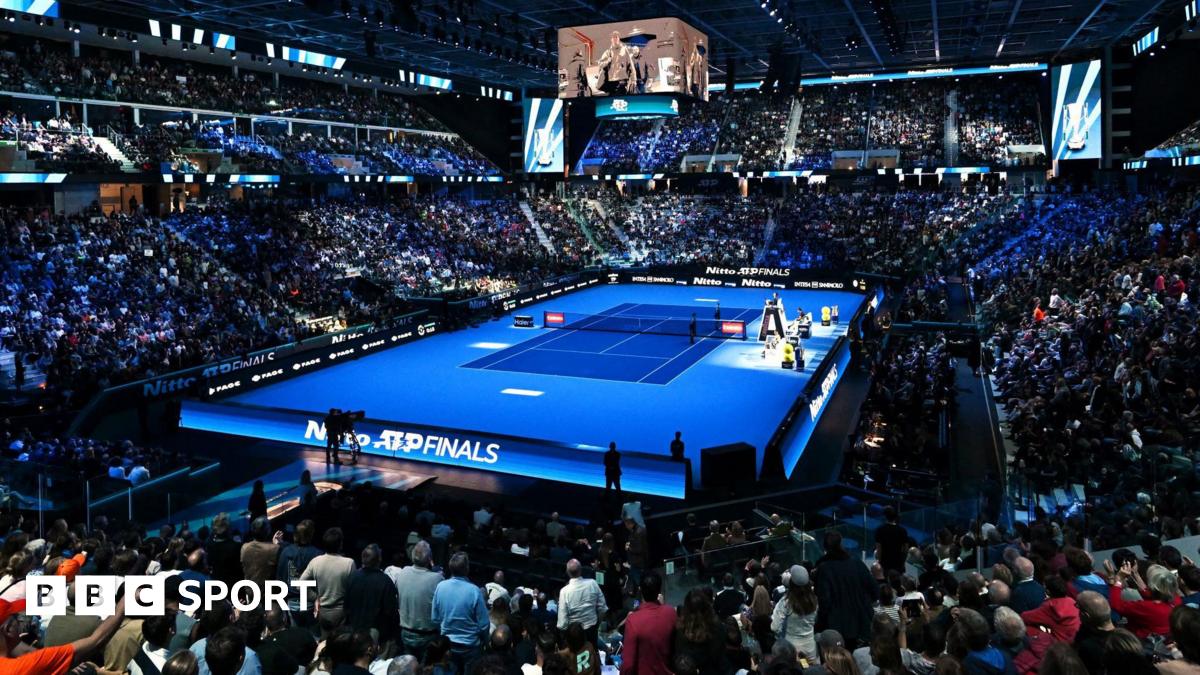
Tragedy at the ATP Finals: Two Spectators Die After Cardiac Arrests in Turin
The 2023 ATP Finals in Turin were marred by tragedy on Monday, November 13th, as two spectators tragically died after suffering cardiac arrests. The incidents, involving individuals aged 70 and 78, cast a somber shadow over the prestigious tennis tournament. This article provides a comprehensive overview of the events, the response, and the broader context of medical emergencies at large sporting events. Understanding the circumstances surrounding these cardiac arrests is crucial, not just for tennis fans, but for anyone attending or organizing large public gatherings.
Immediate Response and confirmation
The Italian Tennis Federation (FITP) and the Association of tennis Professionals (ATP) jointly confirmed the deaths in a statement released shortly after the incidents. On-site medical teams responded immediately to both emergencies, providing crucial first aid and swiftly transporting the affected individuals to a local hospital. Despite these rapid and comprehensive efforts, both individuals sadly succumbed to their conditions.
Did You Know? Sudden cardiac arrest can occur in individuals with no prior known heart conditions. Early intervention, including CPR and defibrillation, significantly increases survival rates.
The first incident occurred during the opening singles match of the day, featuring Italy’s Lorenzo musetti against American Taylor Fritz, leading to a temporary delay in play. Announcements were made to the crowd informing them of a medical situation, prompting a period of concern and uncertainty.
Details of the incidents & Tournament Context
The two cardiac events were unrelated and occurred at different times within the Inalpi Arena, which has a capacity of 12,000. The ATP Finals, a year-end championship featuring the world’s top eight male tennis players, are a major sporting event attracting a large and eager crowd.Italian fans, especially, were out in force to support their home favorites, Lorenzo Musetti and defending champion Jannik Sinner.
Pro Tip: If you are attending a large event, familiarize yourself with the location of first aid stations and emergency exits. Knowing where to find help can be critical in a time-sensitive situation.
The tournament is scheduled to run until November 19th, and organizers are now facing questions about medical preparedness and protocols.
Medical emergencies at Sporting Events: A Growing Concern?
While tragic, these incidents aren’t isolated. There’s been a noticeable increase in medical emergencies at sporting events in recent years, raising concerns about the health of spectators and the adequacy of on-site medical facilities. Several factors may contribute to this trend:
* Aging Spectator Base: The average age of sports fans is increasing, leading to a higher prevalence of pre-existing health conditions.
* Increased Intensity & Excitement: the emotional intensity of live sporting events can trigger physiological responses, possibly exacerbating underlying health issues.
* Environmental Factors: Crowded conditions, heat, and dehydration can all contribute to medical emergencies.
* Post-Pandemic Health Trends: Some research suggests a potential link between long COVID and increased cardiovascular events. (Source: American Heart Association - November 2023)
What Measures are in Place? – On-Site Medical Protocols
Organizers of major sporting events typically have comprehensive medical plans in place, including:
* On-site medical personnel: Doctors, nurses, paramedics, and first responders are stationed throughout the venue.
* Emergency medical facilities: Dedicated medical stations equipped with life-saving equipment, such as defibrillators and oxygen tanks.
* Coordination with local hospitals: Established protocols for rapid transport of patients to nearby hospitals.
* Public awareness campaigns: Data provided to spectators about recognizing the signs of medical distress and accessing help.
however, the effectiveness of these measures can vary depending on the size of the event, the venue layout, and the availability of resources. The recent events in Turin will likely prompt a review of existing protocols and potentially lead to enhanced medical provisions at future tournaments.
Understanding Cardiac Arrest & Prevention
Worth a look