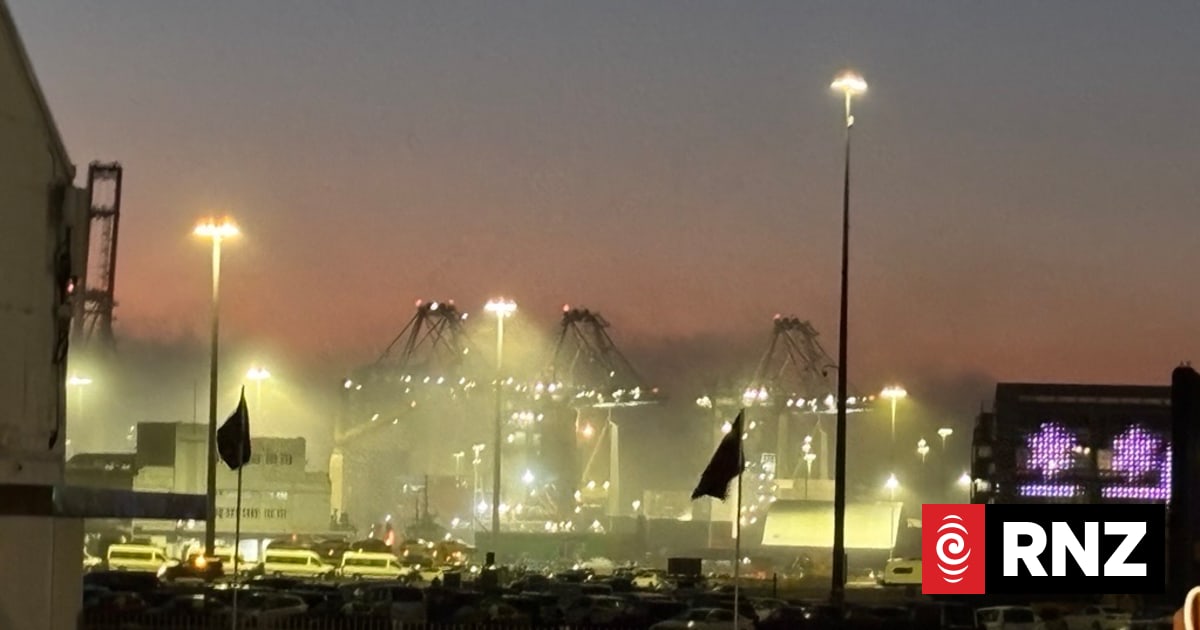
Auckland Airport has resumed normal operations after heavy morning fog forced the cancellation and delay of numerous domestic and international flights. The dense low-visibility conditions that blanketed the airfield prompted strict air traffic safety protocols, causing a ripple effect of scheduling disruptions for travelers throughout the early hours of the day.
According to Auckland Airport’s official operational updates, the visibility restrictions were lifted once weather conditions improved sufficiently to allow for the safe take-off and landing of aircraft. The airport authority confirmed that while flight schedules are returning to a standard rhythm, the backlog created by the morning’s ground stop means that some passengers may continue to experience residual delays as airlines work to re-accommodate travelers.
Operational Impact and Passenger Advice
The primary challenge during the fog event was the necessity for increased spacing between aircraft, a standard aviation safety requirement when visibility drops below mandated thresholds. This reduction in the frequency of safe flight movements led to the cancellation of several short-haul domestic services and the delay of long-haul international departures. The Civil Aviation Authority of New Zealand maintains strict guidelines regarding visibility minimums for commercial flight operations to ensure passenger safety, and these regulations necessitated the morning’s temporary pause.
Travelers are advised that the recovery process for airline schedules can take several hours following such disruptions. Airlines typically operate on tight turnaround times, and a single period of restricted visibility can force crews to exceed their regulated duty hours or lead to aircraft being out of position for subsequent flights. Passengers holding tickets for flights today are encouraged to check the status of their specific service directly through their airline’s website or mobile application before departing for the terminal.
Understanding Aviation Fog Disruptions
Auckland Airport’s location near the Manukau Harbour makes it susceptible to sea fog, which can develop rapidly and blanket the runway environment, reducing visibility to near zero. Aviation meteorology experts note that these events are most common during the early morning or overnight hours when air temperatures drop to the dew point. Because safety is the primary priority, air traffic controllers must implement low-visibility procedures that significantly decrease the number of aircraft that can be cleared for departure or arrival in any given hour.

While the airport is equipped with modern navigational aids, including an Instrument Landing System (ILS) that allows aircraft to land in low-visibility conditions, the system requires specific separation distances between planes on the ground and in the air to function safely. If the fog is dense enough to obscure the view of the runways from the control tower, or if the visibility falls below the specific category rating of the landing system, flights must be held or diverted until the weather clears.
Next Steps for Travelers
The airport expects the flight schedule to stabilize throughout the afternoon, provided no further weather fronts impact the region. Passengers whose travel was interrupted are entitled to information regarding their rebooking options under their respective airline’s conditions of carriage. For those currently at the airport, ground staff are providing assistance at service desks, and real-time flight information remains available on the Auckland Airport live flight tracker.
As the situation continues to normalize, travelers should monitor their email and text notifications for direct updates from their airline carriers. Further updates regarding airport operations will be posted to the official Auckland Airport social media channels and website as they become available. We invite readers to share their current travel status or questions in the comments section below.
Related reading