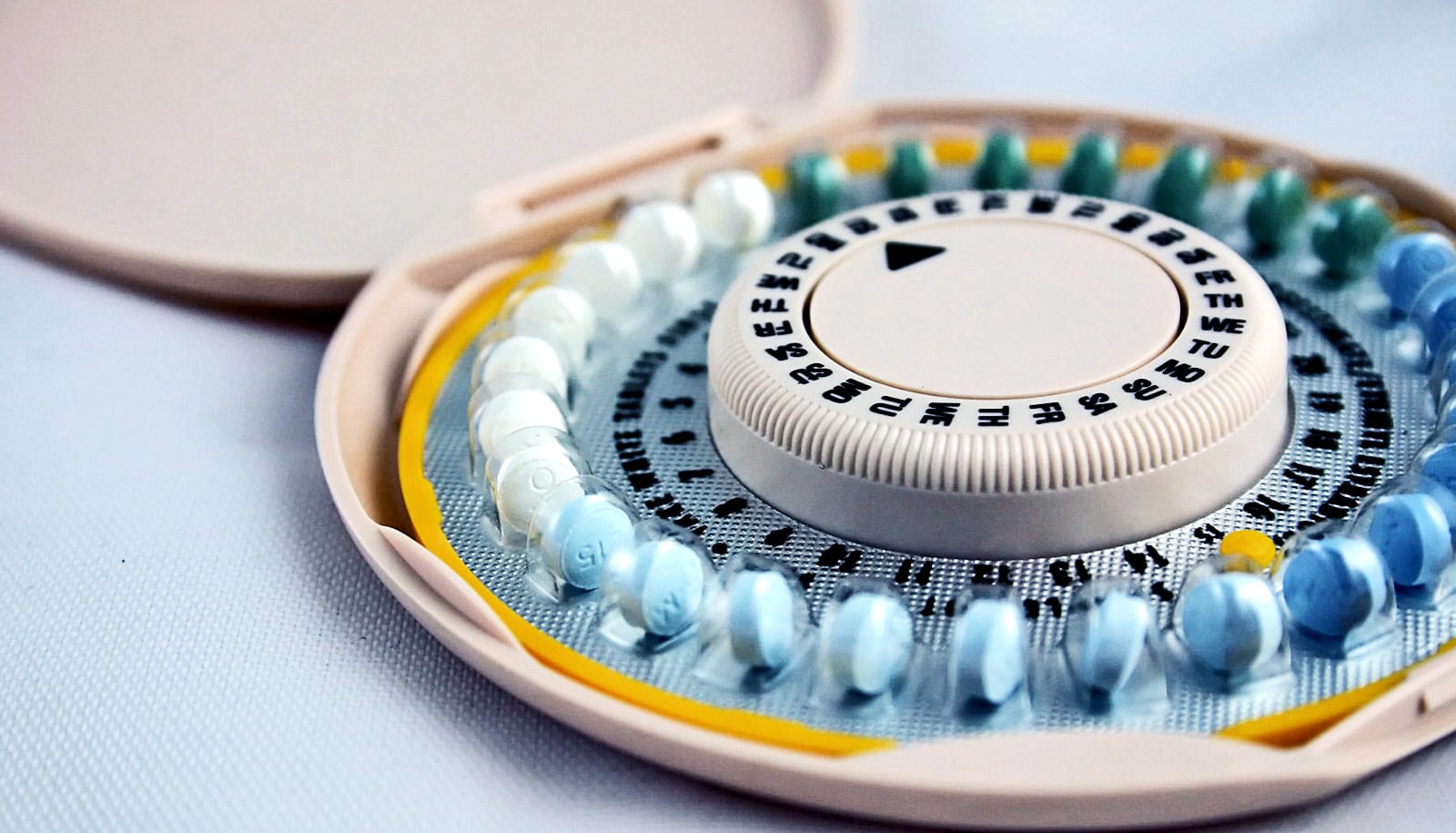
A recent study published in JAMA Network Open has identified a significant association between the use of combined oral contraceptives and increased instances of emotional eating. By tracking 422 participants over 49 consecutive days, researchers found that women reported higher levels of binge-related eating patterns on days they took hormone-containing pills compared to days they took hormone-free pills.
Understanding the Connection Between Hormones and Eating Patterns
The research, conducted by a team including investigators from Texas A&M University and Michigan State University, utilized a within-person study design. This methodology is particularly robust because each of the 422 participants served as her own comparison, allowing researchers to observe how an individual’s eating habits shifted in direct response to the presence or absence of exogenous hormones within their own hormonal cycle.
In a standard pack of combined oral contraceptives, users typically ingest active hormone pills for three weeks, followed by one week of inactive, hormone-free pills. According to Shaunna Clark, a coauthor of the study and associate professor of psychiatry and behavioral sciences at Texas A&M University’s Naresh K. Vashisht College of Medicine, the daily tracking allowed the team to pinpoint how these shifts in hormone exposure correlated with changes in behavior. The data revealed that emotional eating—defined as overeating in response to negative emotions—was consistently higher during the active hormone phase of the cycle.
Distinguishing Emotional Distress from Hormonal Influence
A central question for the research team was whether these shifts in eating behavior were merely a byproduct of mood swings or general psychological distress. To address this, the researchers accounted for reported negative moods in their analysis. The results indicated that the increase in emotional eating persisted even after adjusting for fluctuations in mood.
“That tells us the hormones themselves may be playing a role, rather than those changes being driven by mood or other factors,” Clark noted.
The study also examined other variables to see if the impact was widespread. Interestingly, researchers found that weight preoccupation remained stable across the different phases of the pill cycle. Furthermore, shifts in mood were observed to be smaller and less consistent than the changes in eating behavior. This suggests that the impact of birth control hormones on appetite is relatively specific, rather than a generalized shift in body image or emotional well-being.
Clinical Implications and Individual Variability
While the study establishes a clear pattern at the group level, it does not suggest that every individual will experience these changes to the same degree. The researchers emphasize that human biology is nuanced, and individual responses to hormonal medication can vary significantly. All participants in this study were using monophasic combined oral contraceptives, which provide a consistent dose of hormones throughout the active phase of the pack.
Previous research has established that natural fluctuations in estrogen and progesterone during the menstrual cycle—specifically after ovulation—are often linked to increased binge-related eating. This new study suggests that synthetic hormones provided by oral contraceptives may trigger similar patterns. By isolating these behaviors within the pill cycle, the study provides some of the clearest evidence to date regarding how exogenous hormones influence dietary behavior.
For patients and their healthcare providers, these findings offer a new variable to consider when evaluating the side-effect profile of different contraceptive options.
Related reading