The Wonders of Auroras: understanding the Northern and Southern Lights
The mesmerizing displays of the aurora borealis (Northern Lights) and aurora australis (Southern Lights) have captivated humanity for centuries. These shimmering curtains of light, dancing across the night sky, are a visible manifestation of the Sun’s activity and its interaction with earth’s magnetic field. Recent increased solar activity has led to more frequent and vibrant aurora displays, even at lower latitudes than typically observed. While these events are spectacular, understanding the science behind them and potential impacts on technology is crucial. Fortunately, with appropriate monitoring, people on Earth can continue to safely enjoy this gift from the Sun.
What Causes Auroras?
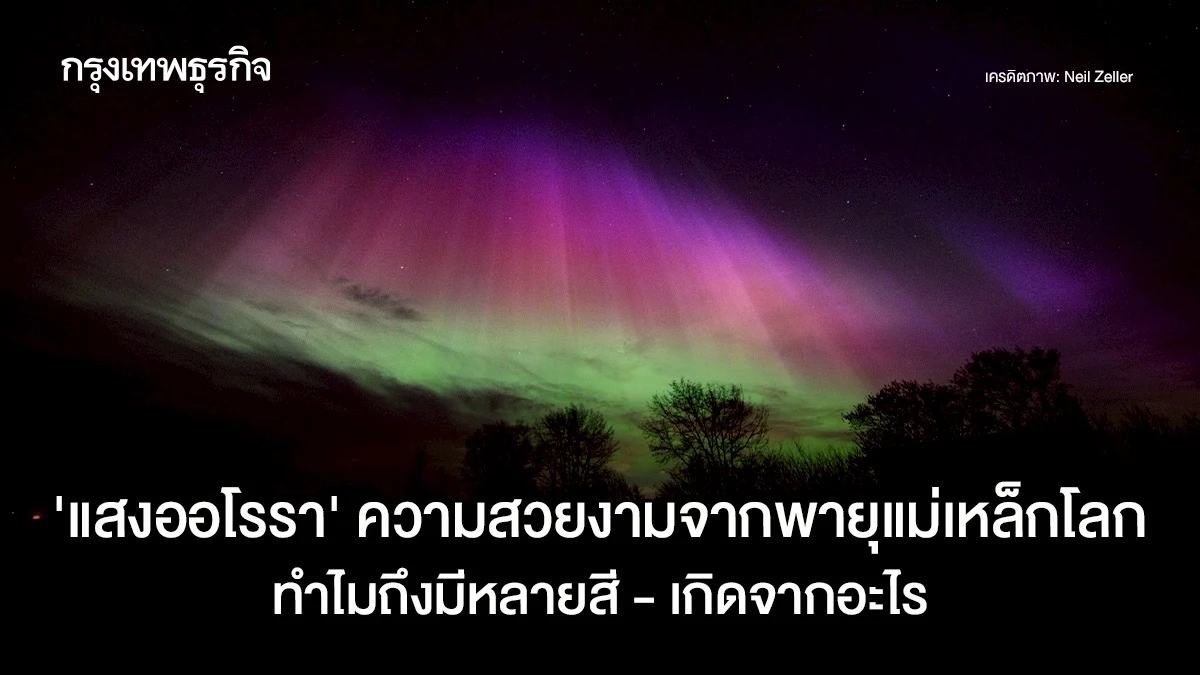
Auroras are caused by collisions between electrically charged particles released from the Sun – known as the solar wind – and atoms and molecules in Earth’s upper atmosphere.These particles travel along Earth’s magnetic field lines, converging at the poles. When these particles collide with atmospheric gases like oxygen and nitrogen, they excite the atoms to higher energy states. As these atoms return to their normal energy state, they release energy in the form of light, creating the aurora.
The color of the aurora depends on the type of gas molecule being excited and the altitude at which the collision occurs:
- Green: The most common color, produced by oxygen at lower altitudes.
- Red: Produced by oxygen at higher altitudes.
- Blue and Violet: Produced by nitrogen.
- pink: A mix of red and blue, also from nitrogen.
recent Increased Aurora Activity
The Sun follows an approximately 11-year cycle of activity, with periods of high and low solar activity. We are currently in Solar Cycle 25, which is predicted to peak in 2025. NOAA’s Space Weather Prediction Center reports that this cycle is stronger than initially predicted, leading to more frequent and intense geomagnetic storms. These storms are responsible for the recent, widespread aurora sightings. In January 2024,a notably strong geomagnetic storm caused auroras to be visible as far south as Florida and the mediterranean. The BBC and DW have both reported on these unusual displays.
Auroras on Other Planets
Earth isn’t the only planet with auroras. Any planet with an atmosphere and a magnetic field can experience them. NASA’s Perseverance rover has even detected auroras on Mars! Sky at Night Magazine details how Perseverance observed a diffuse,green glow caused by oxygen in the Martian atmosphere. Unlike Earth’s auroras, Martian auroras are not aligned with the planet’s magnetic poles, due to the lack of a global magnetic field. Auroras have also been observed on Jupiter, Saturn, Uranus, and Neptune.
Impacts on Technology and Safety
While stunning, geomagnetic storms that cause auroras can also impact technology. Strong storms can disrupt radio communications, GPS systems, and power grids. The Washington Post explains the science behind these disruptions. Satellite operations can also be affected, and increased radiation levels can pose a risk to astronauts. however,advancements in space weather forecasting and protective measures are helping to mitigate these risks. Ongoing monitoring by organizations like NOAA’s space Weather prediction Center allows for warnings to be issued, enabling operators to take steps to protect critical infrastructure.
Key Takeaways
- Auroras are caused by collisions between solar wind particles and atmospheric gases.
- The color of an aurora depends on the gas involved and the altitude of the collision.
- Solar Cycle 25 is currently underway and is predicted to peak in 2025, leading to increased aurora activity.
- Auroras can occur on other planets with atmospheres and magnetic fields.
- Geomagnetic storms associated with auroras can impact technology, but monitoring and protective measures are improving.
As we continue to explore space and develop our reliance on space-based technologies, understanding and predicting space weather events will become increasingly vital.Continued investment in research and monitoring will ensure that we can both appreciate the beauty of auroras and protect our technological infrastructure from their potential effects.
Worth a look