
U.S. President Donald Trump announced on Friday that Russia and Ukraine have agreed to a three-day ceasefire and a significant prisoner exchange, marking a high-profile diplomatic intervention in the ongoing conflict. The temporary truce, which is scheduled to suspend all kinetic activity from Saturday through Monday, is designed to allow for the observation of Victory Day in Russia.
Central to the agreement is a reciprocal prisoner swap involving 1,000 prisoners from each country. This development follows a period of disjointed ceasefire proposals from both combatants, with the Trump administration stepping in to synchronize the timeline and secure a mutual commitment to the pause in hostilities. This Trump Russia-Ukraine ceasefire represents a concerted effort to create a window for humanitarian relief and potential diplomatic breakthroughs.
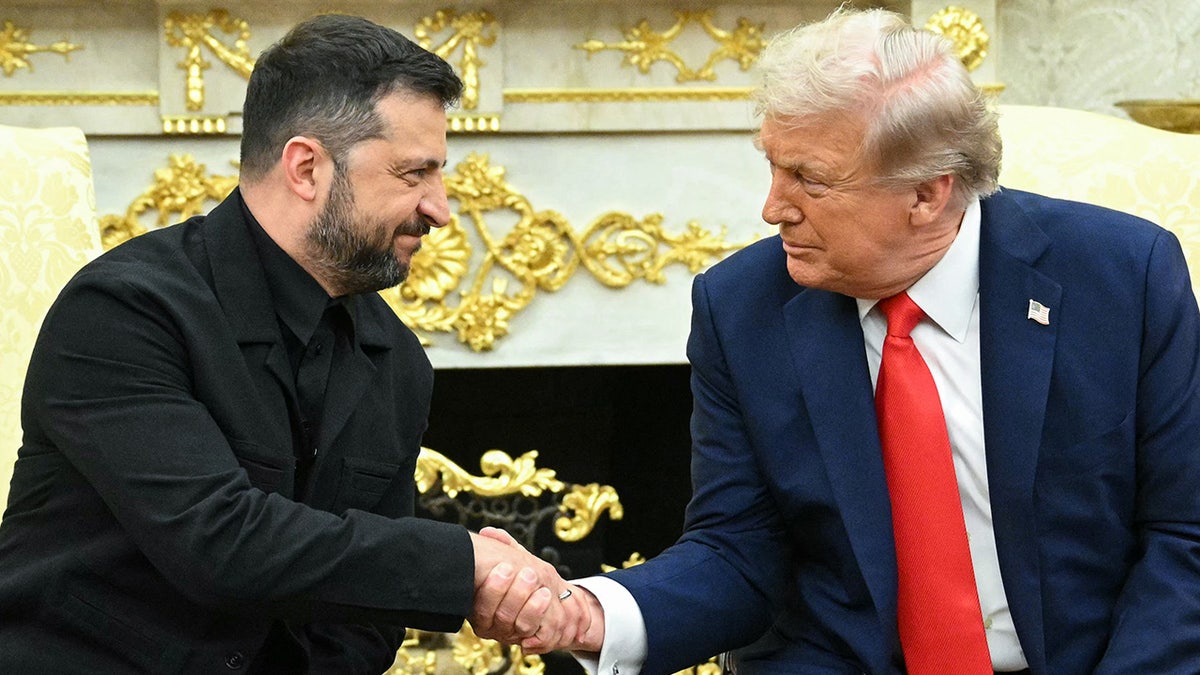
Taking to Truth Social, the U.S. President stated that he personally requested the temporary ceasefire and expressed his appreciation to Russian President Vladimir Putin and Ukrainian President Volodymyr Zelenskyy for their agreement. Trump framed the move as a potential turning point, stating, “Hopefully, We see the beginning of the end of a very long, deadly, and hard fought War.”
Terms of the Three-Day Truce and Prisoner Exchange
The agreement stipulates a total suspension of “kinetic activity”—a military term referring to active lethal combat and offensive operations—beginning Saturday and lasting through Monday. This window is specifically timed to coincide with the Russian observance of Victory Day, a major national holiday. According to reports, the ceasefire is intended to facilitate the logistics of a massive prisoner exchange. CBS News reports that the swap will involve 1,000 prisoners from each country.
The coordination of this truce was particularly complex due to conflicting schedules previously proposed by the warring parties. Earlier in the week, President Zelenskyy had announced a ceasefire for May 5-6, while Russia had suggested a different window for May 8-9. The current agreement effectively overrides these separate plans, aligning both nations under a single three-day framework from May 9 to May 11.
Official Confirmations from Moscow and Kyiv
The agreement has been corroborated by high-ranking officials in both Russia and Ukraine. Yuri Ushakov, an aide to Vladimir Putin, issued a statement confirming that the Russian side finds the initiative proposed by President Trump acceptable. Ushakov explicitly noted that the ceasefire is intended for the exchange of prisoners of war between the two nations.

President Volodymyr Zelenskyy also signaled his agreement via a translated statement posted to Telegram. Zelenskyy confirmed that Ukraine had received Russia’s agreement to conduct the prisoner exchange in a “1,000 for 1,000” format. He further specified that the ceasefire should hold on May 9, 10, and 11, noting that his administration is working consistently to return Ukrainian citizens from Russian captivity and has instructed teams to prepare the necessary logistics for the exchange. The details of the 1,000-person swap were confirmed in statements attributed to both leaderships.
Diplomatic Implications and the Path to Peace
While the ceasefire is temporary, President Trump has indicated that it is part of a broader strategy to end the conflict, which he described as the “biggest since World War II.” The U.S. President emphasized that diplomatic talks are ongoing and that the parties are “getting closer and closer every day” to a resolution. By securing a concrete humanitarian win—the return of 2,000 total prisoners—the administration appears to be using small-scale successes to build the trust necessary for larger territorial or political negotiations.
The suspension of kinetic activity is a critical component of this strategy. In the context of the Russia-Ukraine war, a total pause in combat allows for the safe passage of prisoners and provides a brief respite for civilian populations in frontline areas. However, the short duration of the truce means that the international community will be closely monitoring the front lines to ensure that the agreement is upheld and that the prisoner swap is executed without incident.
Key Takeaways of the Agreement
- Duration: A three-day ceasefire spanning Saturday through Monday (May 9–11).
- Prisoner Swap: A reciprocal exchange of 1,000 prisoners from Russia and 1,000 from Ukraine.
- Scope: A complete suspension of all kinetic activity during the designated window.
- Catalyst: The agreement was requested by President Donald Trump to coincide with Russia’s Victory Day.
- Verification: Confirmed by Yuri Ushakov (Russia) and President Volodymyr Zelenskyy (Ukraine).
The success of this operation will likely serve as a litmus test for future diplomatic efforts. If both sides adhere to the truce and complete the prisoner swap, it may provide the momentum needed for the “continuing talks” mentioned by the U.S. President. Conversely, any violation of the ceasefire during this high-profile window could complicate the path toward a permanent peace agreement.
The next critical checkpoint will be the successful completion of the prisoner transfers by Monday, followed by official updates on whether the parties intend to extend the ceasefire or return to active hostilities.
World Today Journal encourages readers to share this report and leave their thoughts in the comments section below regarding the potential for a long-term resolution to the conflict.