
The intersection of cinematic fantasy and critical reception often creates a lasting legacy for films that fail to capture the moment of their release. Such is the case with Last Action Hero
, the 1993 action-comedy that attempted to deconstruct the very tropes of the blockbuster era while starring its biggest icon, Arnold Schwarzenegger. Decades later, the film continues to appear in television programming and critical archives, sparking renewed discussions about its ambitious goals and its ultimate execution.
Directed by John McTiernan, who had previously achieved massive success with Die Hard
and Predator
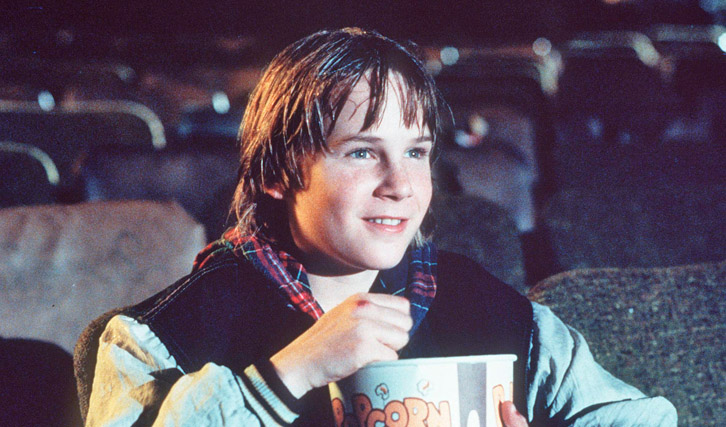
, the film follows the journey of an 11-year-old cinema enthusiast named Danny, played by Austin O’Brien. Through the use of a magical movie ticket, Danny is transported into the fictional world of his favorite action franchise, where he becomes an unlikely partner to the muscular and unflappable Jack Slater. The narrative serves as both a love letter to and a parody of the high-octane cinema of the early 1990s.
Despite its high production values and star power, the film met with a polarizing reception upon its debut. In Germany, where the film is known as Der letzte Action Held
, the critical consensus reflected a tension between the movie’s conceptual brilliance and its delivery. The specialized film service Filmdienst noted that the film’s intentions were stronger than its realization, suggesting that the parody was too heavy-handed to allow the movie to truly take flight.
A Meta-Commentary on Action Cinema
At its core, Last Action Hero
was designed to be a subversive take on the action genre. By placing a child—who is acutely aware of movie clichés—inside a movie, the script highlights the absurdity of the “invincible hero” archetype. The film explores the boundary between illusion and reality, specifically marking cinema stunts as fabrications and questioning the morality of the simplified “good vs. Evil” dynamic prevalent in action films.
The casting of Arnold Schwarzenegger was central to this experiment. Schwarzenegger, who was at the peak of his global stardom in 1993, played a version of himself—a caricature of the action hero. This self-awareness was intended to provide a layer of wit, yet some critics argued that the film struggled to balance its sincerity with its satire. According to records from Filmdienst, the production’s approach to marking stunts as illusions was a notable attempt to engage the audience’s intellect, even if the overall pacing felt cumbersome.
The Role of Austin O’Brien and the Youth Perspective
The emotional anchor of the film is Austin O’Brien, who portrays Danny. His character represents the audience’s own fascination with the silver screen. The relationship between the naive yet knowledgeable Danny and the physically imposing Jack Slater creates a comedic friction that drives the plot. Danny’s struggle to reconcile the “hero” he sees on screen with the actual person he meets in the movie world provides the film’s most poignant moments.

The plot is set in motion when Nick, the projectionist at Danny’s local cinema, provides the magical ticket that bridges the gap between the real world and the cinematic universe of Jack Slater IV
. This device allows the film to jump between the gritty, mundane reality of the real world and the saturated, explosive environment of the action movie, emphasizing the contrast between the two.
Critical Legacy and Television Broadcasts
While Last Action Hero
was not a critical darling upon release, its status has evolved into that of a cult classic. This proves frequently revisited in TV programming and digital archives, where modern audiences often uncover its meta-commentary more relatable in an era of “multiverses” and self-referential storytelling. The film’s influence can be seen in later works that blend reality with fiction, proving that McTiernan’s vision was perhaps ahead of its time.
In the German market, the film has a documented history of home media releases and television airings. It officially premiered in German cinemas on October 7, 1993 and later transitioned to DVD on May 7, 2002, according to data from Film-Rezensionen.de. These dates mark the film’s journey from a high-profile theatrical disappointment to a staple of late-night television and collector’s shelves.
Technical Execution and Direction
John McTiernan’s direction is characterized by a scale that few other directors of the era could match. The action sequences are meticulously choreographed, and the visual effects—while dated by today’s standards—were cutting-edge for 1993. The film’s runtime of 131 minutes allowed for a sprawling narrative, though some critics, including those at Filmdienst, felt this length contributed to the heavy-footed
nature of the parody.
The film’s failure to achieve “blockbuster” status at the time is often attributed to a lack of clear identity: was it a children’s movie, a satire for adults, or a straightforward action flick? This ambiguity made it difficult for marketers to position the film, leading to a fragmented reception that overshadowed the technical craftsmanship of the production.
Key Production Details
| Category | Detail |
|---|---|
| Director | John McTiernan |
| Lead Actor | Arnold Schwarzenegger |
| Supporting Actor | Austin O’Brien |
| Release Year | 1993 |
| Runtime | 131 Minutes |
| German Title | Der letzte Action Held |
The enduring fascination with the film suggests that while it may have missed the mark in 1993, its attempt to dissect the mechanics of fame and fiction remains a relevant study in cinema. For viewers today, the film serves as a time capsule of the early 90s, capturing both the peak of the action star era and the beginning of the industry’s shift toward more complex, self-aware narratives.

As the film continues to appear in retrospective TV guides and streaming catalogs, it remains a primary example of how a “failure” in the eyes of contemporary critics can become a point of academic and fan interest in the long term. The dialogue between the film’s ambitious goals and its flawed execution continues to be a topic of interest for cinephiles and historians of the action genre.
For those tracking the film’s availability, updates on streaming rights and anniversary editions are typically announced via official studio channels and regional television listings.
Do you remember the first time you saw Last Action Hero? Was it a disappointment or a misunderstood masterpiece? Share your thoughts in the comments below.