
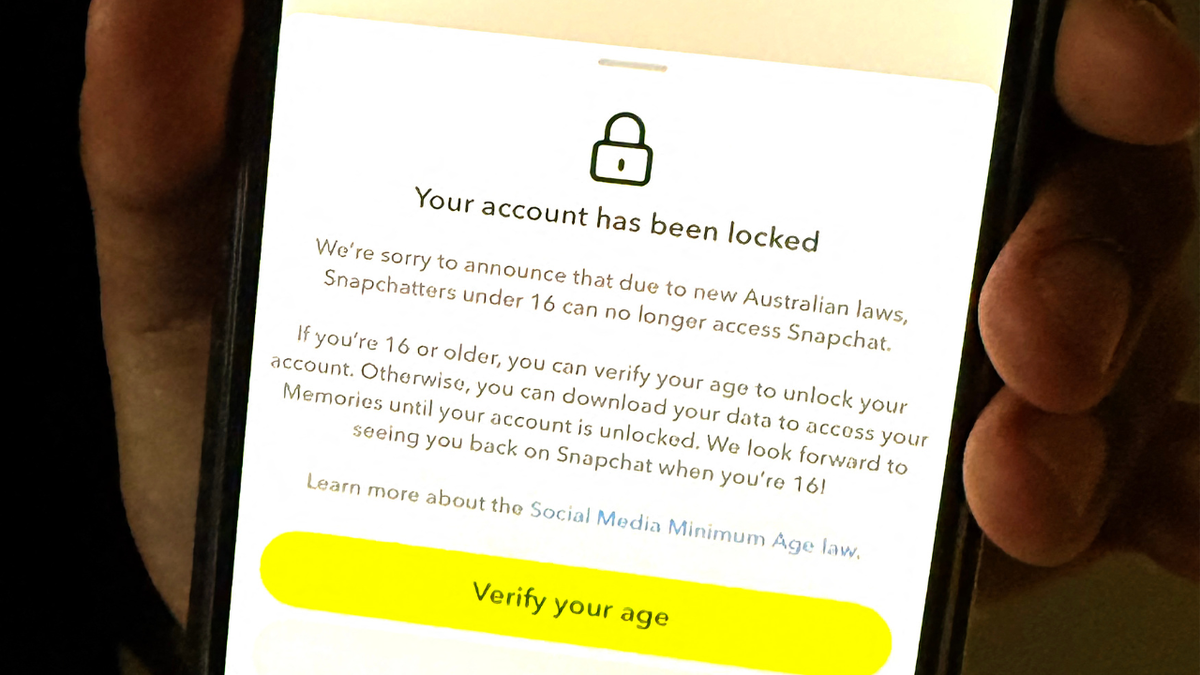
Australia has officially implemented a nationwide ban on social media access for children under the age of 16, a legislative move intended to mitigate the impact of digital platforms on adolescent mental health and physical well-being. The Online Safety Amendment (Social Media Minimum Age) Bill 2024, which passed through the Australian Parliament in November 2024, mandates that social media companies must take reasonable steps to prevent users under the age of 16 from maintaining accounts on their platforms. The law, which came into full effect following a transition period, places the burden of compliance directly on the tech corporations rather than the children or their parents.
The legislation represents one of the most stringent regulatory frameworks globally regarding youth digital consumption. Under the terms of the act, platforms found in breach of these age-verification requirements face significant financial penalties. The Australian government, led by Prime Minister Anthony Albanese, has framed this intervention as a necessary measure to protect young Australians from the risks of cyberbullying, exposure to harmful content, and the addictive nature of algorithmic feeds.
Scope of the Regulatory Framework
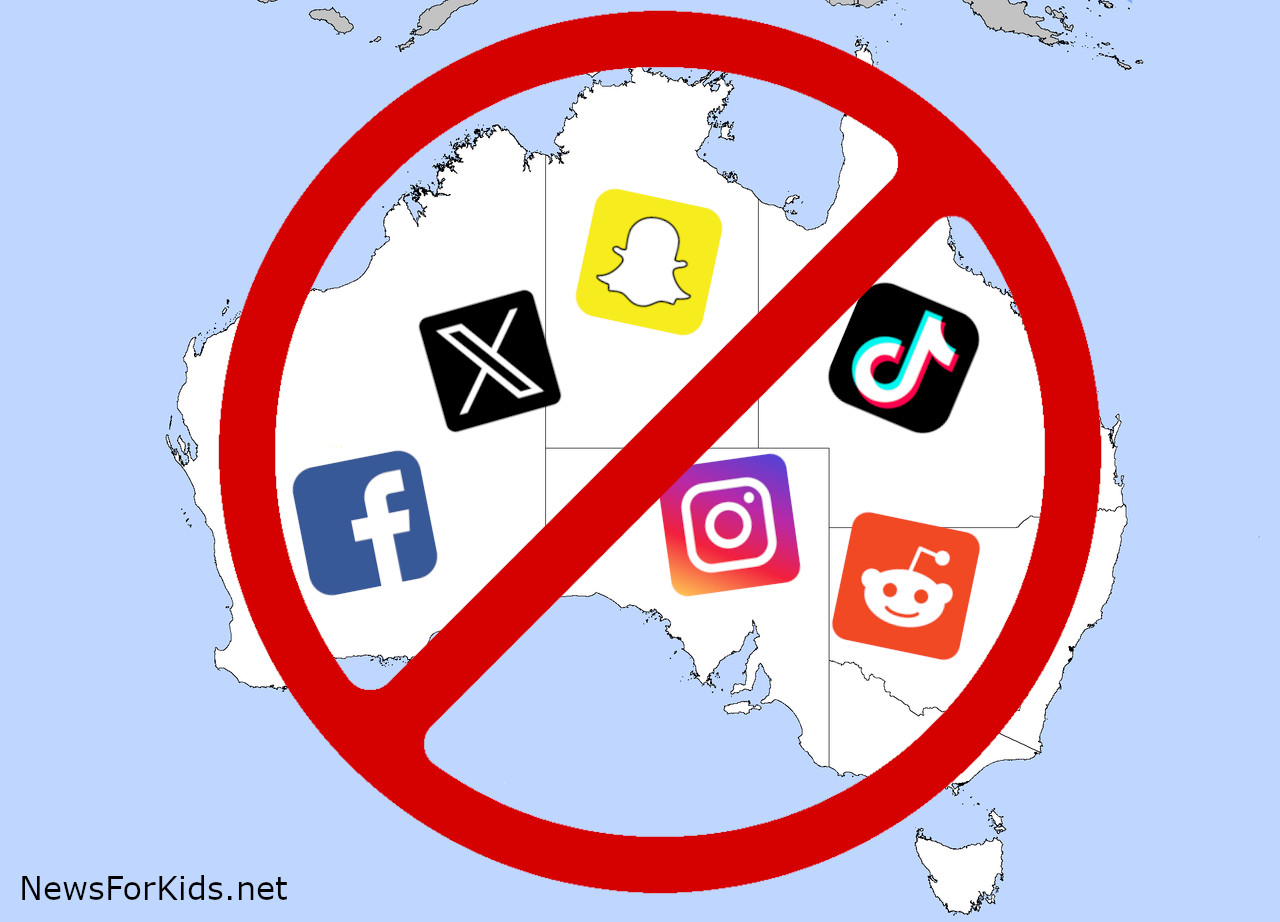
The new mandate applies to a broad spectrum of digital services that are classified as “social media platforms” under the Australian eSafety Commissioner’s regulatory oversight. Platforms such as Instagram, TikTok, Snapchat, and X (formerly Twitter) are required to implement robust age-assurance technologies. The law does not distinguish between domestic and international entities; any platform operating within the Australian market is subject to these requirements. According to the Department of Infrastructure, Transport, Regional Development, Communications and the Arts, the legislation provides for significant civil penalties for companies that fail to implement appropriate age-verification systems, with fines reaching up to AUD 50 million for systemic non-compliance.
The definition of “reasonable steps” is intended to be technology-neutral, allowing companies to utilize various methods of age verification, including document-based checks, biometric analysis, or existing government-issued identification databases. However, the government has emphasized that the privacy of users must be maintained during these verification processes, a requirement that has prompted ongoing discussions between tech companies and the Office of the Australian Information Commissioner regarding data protection standards.
Addressing Adolescent Mental Health
The impetus for the legislation stems from mounting concerns among health professionals and policy makers regarding the correlation between excessive social media usage and adverse mental health outcomes in adolescents. Reports from the Australian Institute of Health and Welfare have consistently highlighted rising rates of anxiety and depressive symptoms among youth, prompting calls for structural changes to the digital environment. Supporters of the law argue that social media algorithms are specifically designed to maximize engagement, often at the expense of a user’s psychological well-being.
By enforcing a minimum age of 16, the government aims to provide a “buffer zone” during critical developmental years. Educational experts have suggested that this move encourages teenagers to engage in offline activities and peer-to-peer interactions that are less mediated by algorithmic feedback loops. Critics of the law, however, have raised concerns about the potential for social isolation among youth who rely on these platforms for community building, particularly for marginalized groups who may find support networks online that are unavailable in their immediate physical environment.
Challenges in Implementation and Enforcement
Enforcement of the age ban presents significant technical and logistical challenges. Tech industry representatives have noted that no single age-verification method is infallible, and there is a high risk of “false negatives” where legitimate adult users are incorrectly restricted, or “false positives” where underage users circumvent the controls through virtual private networks (VPNs) or other obfuscation tools. The eSafety Commissioner has been tasked with developing guidelines to assist platforms in navigating these technical hurdles, focusing on privacy-preserving technologies that do not require the permanent storage of sensitive identity documents.
Furthermore, the legal challenge of extraterritorial application remains a point of contention. While the Australian government asserts its right to regulate services provided to its citizens, global tech companies have expressed concerns about the fragmentation of digital regulations across different jurisdictions. The Office of the Australian Information Commissioner continues to monitor the implementation phase, with public consultations scheduled to evaluate the effectiveness of the current verification measures and the potential for future amendments to the regulatory framework.
Future Developments and Oversight
As the law enters its operational phase, the Australian government has committed to a periodic review process to assess the impact of the ban on both platform compliance and adolescent health outcomes. The next formal review is expected to take place within 24 months of the legislation’s full implementation, as stipulated in the statutory review clause of the bill. This evaluation will likely involve submissions from mental health advocates, technology sector stakeholders, and privacy rights organizations.
For parents and guardians seeking guidance on how to support their children during this transition, the eSafety Commissioner’s parent portal provides updated resources, safety toolkits, and advice on managing digital devices within the household. As the regulatory landscape continues to evolve, further updates regarding specific platform requirements and government compliance reports will be published through the official channels of the Department of Infrastructure, Transport, Regional Development, Communications and the Arts.
We encourage our readers to share their perspectives on this development in the comments section below. How do you view the balance between government-mandated safety and individual digital autonomy in the age of social media?
Worth a look