
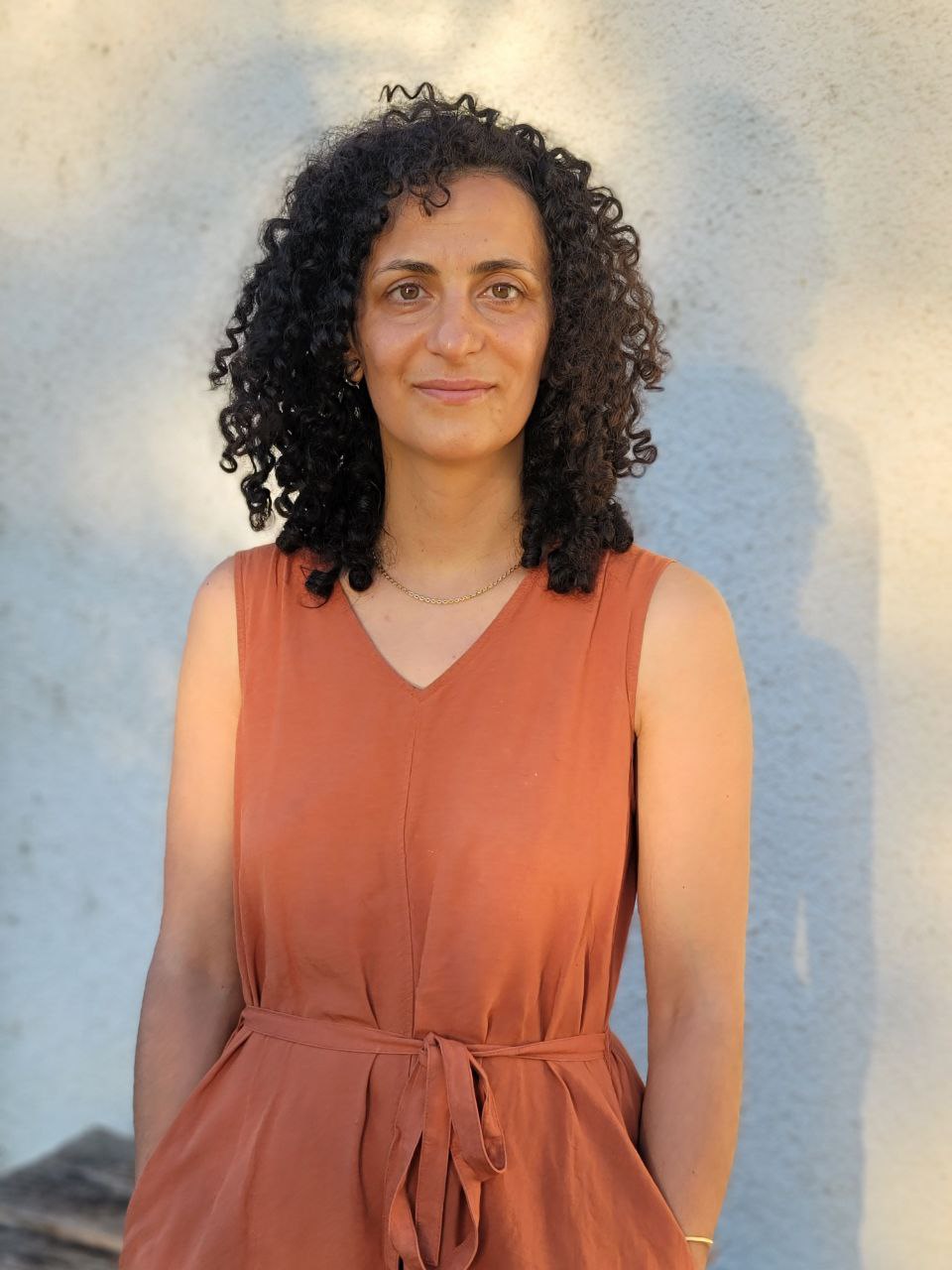
Chowra Makaremi, a prominent anthropologist and researcher at the French National Centre for Scientific Research (CNRS), has become a significant voice in documenting human rights abuses and state violence in Iran. Her work, which often bridges the gap between academic research and public advocacy, focuses on the mechanisms of political repression and the historical context of the Iranian state’s treatment of dissenters. According to her academic profile at the CNRS, Makaremi’s scholarship is deeply rooted in the study of violence, memory, and the political landscape of contemporary Iran.
As a researcher, Makaremi has contributed extensively to the understanding of the 1980s mass executions in Iran, a period she has documented through both archival research and personal accounts. Her expertise provides a critical lens for international observers attempting to understand the ongoing civil unrest and the systemic challenges faced by the Iranian opposition. Her work is frequently cited in discussions regarding the UN-backed investigations into human rights violations within the country.
Academic Contributions to the Study of Repression
Makaremi’s academic career is defined by her focus on the intersection of state power and individual survival. Her research often highlights the “everyday” nature of repression and how state-sponsored violence impacts the social fabric of a nation. By analyzing the political structures that sustain authoritarian regimes, she has provided a framework for understanding how dissent is suppressed and how historical trauma is managed by both the state and its survivors.

Her book, “Le cahier d’Aziz: au cœur de la révolution iranienne,” serves as a testament to her methodology, blending personal family history—specifically the imprisonment and execution of her mother during the 1980s—with broader anthropological inquiry. This dual approach has made her a sought-after voice for explaining the persistence of civil resistance in Iran to Western audiences. Her work is recognized for its rigor in maintaining the distinction between subjective memory and historical fact, a standard she upholds in her roles at the EHESS (School for Advanced Studies in the Social Sciences).
The Role of Intellectuals in the Iranian Diaspora
The Iranian diaspora plays a pivotal role in maintaining global awareness of the country’s domestic situation, and Makaremi is a central figure in this movement. Through her writing and public appearances, she emphasizes that the current protests in Iran are not isolated events but the continuation of a long-standing struggle for democratic reform. She argues that the international community must look beyond the immediate headlines to understand the deep-seated grievances that fuel ongoing public demonstrations.
Makaremi’s influence extends into the realm of policy analysis, where she advocates for a nuanced understanding of Iranian society. She warns against simplistic narratives that paint the population as monolithic, instead highlighting the diverse coalition of students, women, and labor groups that form the backbone of the opposition. Her perspective is frequently sought by European policy makers who are tasked with navigating the complex diplomatic relations between the European Union and the Iranian government.
Understanding the Historical Context of Dissent
To grasp the current situation in Iran, Makaremi suggests that one must examine the institutionalized nature of state violence. She has noted in various forums that the state’s use of judicial processes to silence opposition is a long-standing tactic. By documenting these patterns, she provides empirical evidence for what international human rights organizations describe as a systemic pattern of abuse. Her work serves as a record for future accountability, ensuring that the experiences of those affected by the regime are not erased from the historical narrative.
Her approach is characterized by a commitment to transparency and evidence-based reporting. In her view, the role of the researcher is not merely to observe but to provide the intellectual tools necessary for society to confront uncomfortable truths. This has made her a critical voice in the ongoing debate about how the international community should respond to the regime’s actions, balancing the need for diplomatic engagement with the moral imperative to support human rights.
Next Steps for International Observation
The situation in Iran remains volatile, with international bodies continuing to monitor the regime’s compliance with international law. The United Nations Human Rights Council remains the primary venue for these assessments, and the Fact-Finding Mission on Iran continues to gather evidence of human rights violations. Researchers like Makaremi are expected to continue providing the historical and sociological context required for these international investigations to be effective.
For those interested in following the latest developments, official updates regarding the human rights situation in Iran can be found on the United Nations website. As the political landscape in Tehran continues to shift, the work of independent researchers remains essential for an accurate and informed global understanding of the region’s trajectory. We welcome readers to share their thoughts and engage in the conversation below regarding the role of academic research in global human rights advocacy.
Worth a look