Australia dominate Rain-Shortened ODI against India: Kohli’s Return Falls Flat
The Australian cricket team secured a convincing seven-wicket victory over India in the first ODI of the series, played in Perth on October 19, 2023. A rain-affected match, reduced to 26 overs per side, saw Australia comfortably chase down a revised target of 131, despite a challenging start for both teams. This win marks a strong beginning for Australia, while India will be looking to bounce back in the upcoming matches.
A Damp Start and Indian Batting struggles
Persistent rain throughout the day considerably impacted the contest. India, after winning the toss, found themselves struggling to build momentum. Key batsmen Rohit Sharma and Virat Kohli, both returning to international cricket after a hiatus since March, were dismissed early within the powerplay.
Kohli’s dismissal for a duck – a rare occurrence - particularly highlighted India’s difficulties adapting to the conditions. The middle order also faltered, with Shubman Gill and Shreyas Iyer falling to leave india reeling at 45/4 in the 14th over.
KL Rahul (38), Axar Patel (31), and Washington Sundar attempted to rebuild the innings, but a late-order collapse, losing 4 wickets for just 21 runs, restricted India to a modest total of 136/9. Josh Hazlewood was the pick of the Australian bowlers, claiming 2/20 from his seven overs, supported by Mitchell Owen and Matthew Kuhnemann who also took two wickets apiece.
Australia’s Measured Chase
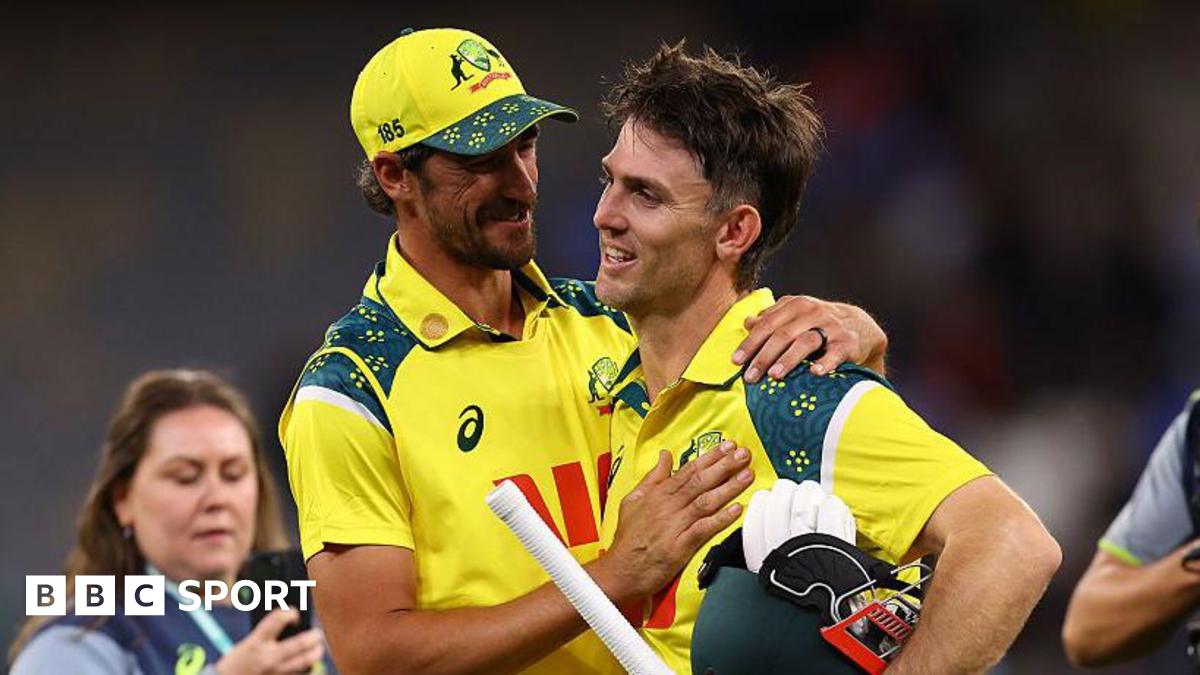
Australia’s chase began with early setbacks as well, losing Travis Head and Matthew Short for eight runs each. However, a composed innings from Mitchell Marsh proved crucial. He remained unbeaten on 46 off 52 balls, anchoring the innings and guiding his team towards victory.
A vital 55-run partnership with Josh Philippe (37 off 29 balls) steadied the ship. ODI debutant Matt renshaw (21* off 24 balls) then joined Marsh to see Australia cross the finish line with 29 balls to spare. This demonstrated Australia’s depth and ability to adapt to changing match conditions.
Key Takeaways and what’s Next
This first ODI showcased Australia’s strength in seam bowling and their ability to capitalize on opposition vulnerabilities.For India, the focus will be on addressing their top-order fragility and finding consistency in their batting lineup.
Here’s a quick recap of the key stats:
* Australia: 131/3 (23.1 overs)
* india: 136/9 (26 overs)
* Player of the Match: Mitchell Marsh (Australia)
The second ODI is scheduled for adelaide on Thursday, October 23rd. Expect India to come out with a revised strategy and a determined effort to level the series.
Understanding ODI cricket and Recent Trends
One-day International (ODI) cricket has evolved significantly in recent years. According to a recent report by the International Cricket Council (ICC – https://www.icc-cricket.com/), average ODI scores have been steadily increasing, driven by more aggressive batting approaches and smaller boundaries. teams are now prioritizing power hitting and maximizing scoring opportunities in the middle overs.
Here are some current trends in ODI cricket:
* Increased Run Rates: Teams are consistently aiming for run rates above 6 runs per over.
* Powerplay Importance: The first 10 overs are crucial for setting the tone of the innings.
* Spin Bowling in Middle Overs: Teams are increasingly utilizing spin bowlers to control the middle overs and take wickets.
* Impact of All-Rounders: Players who can contribute with both bat and ball are highly valued.
Practical Tips for Analyzing ODI Matches
Want to become a more informed cricket fan? Here’s how you can analyze ODI matches like a pro:
- Focus on Powerplay Performance: How many wickets did each team lose in the powerplay? What was their run rate?
- Analyze Middle Overs Strategy: Did teams consolidate or try to accelerate? How did they utilize spin bowling?
- **
Worth a look