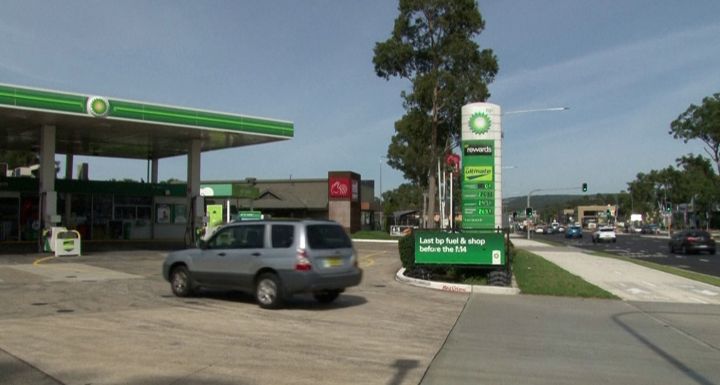
Sydney, Australia – Australians are facing escalating fuel prices and localized shortages at the pump, a situation increasingly linked to the ongoing conflict in the Middle East. What began as a ripple effect from geopolitical instability is now translating into tangible hardship for drivers across the country, particularly in rural areas. The crisis has prompted the Australian government to take the unprecedented step of tapping into its strategic fuel reserves for the first time since 2022.
The surge in prices, which began in late February, has seen some motorists paying nearly double for fuel, according to reports. Diesel prices have reached record highs, even surpassing the cost of gasoline in some regions. This dramatic increase is primarily attributed to concerns over potential disruptions to global oil supplies stemming from the conflict and, specifically, the uncertainty surrounding the Strait of Hormuz, a critical waterway for oil tankers. The strait’s potential blockage by Iran is paralyzing approximately one-fifth of the world’s oil supply, according to reports from Europe1 .
Australia’s Fuel Vulnerability and Government Response
Australia’s heavy reliance on imported petroleum makes it particularly vulnerable to international events impacting oil markets. The country holds reserves equivalent to 36 days of gasoline supply, 32 days of diesel, and 29 days of jet fuel, as stated by Energy Minister Chris Bowen, but these reserves are now being drawn upon to alleviate the immediate pressure. The decision to release strategic reserves, announced on March 13, 2026, aims to stabilize the market and prevent further price hikes. Franceinfo reports that authorities assure the public there is no widespread fuel shortage, but acknowledge the potential for panic buying, especially impacting the agricultural sector .
Minister Bowen has cautioned that whereas a national shortage is not currently anticipated, regions outside major cities may experience more acute supply issues due to sustained high demand. He specifically highlighted potential difficulties for rural communities, noting that they have already begun to experience real shortages. The government is working to ensure equitable distribution of fuel across the country, but the situation remains fluid.
Impact on Consumers and Industries
The escalating fuel costs are hitting Australian consumers hard, particularly those in industries heavily reliant on transportation. Emma Futterleib, a landscaper from Penrith, New South Wales, told AFP that the price increases are “certainly hurting the wallet,” especially given her extensive driving requirements – up to 500 kilometers per week. She too pointed to reports of trucks being stranded on the roadside, highlighting the critical role diesel plays in Australia’s supply chain .
The agricultural sector is particularly vulnerable. Farmers rely on fuel for machinery, transportation of goods, and irrigation, and the increased costs threaten their profitability and potentially food prices. Concerns are growing that a rush on fuel by agricultural operators could exacerbate shortages in rural areas, further disrupting supply chains. The government is actively monitoring the situation and considering measures to protect essential industries.
Price Gouging Concerns and Market Dynamics
While the international situation is the primary driver of the price increases, the Australian government has also accused fuel retailers of taking advantage of the crisis by inflating prices beyond what is justified by market conditions. Authorities are investigating reports of price gouging and are urging retailers to act responsibly. Fuel Watch, a public monitoring organization in New South Wales, reported an average price increase from AUD 1.60 to AUD 2.23 per liter (approximately USD 82 to USD 163 francs CFP) since last month .
The situation is complicated by the inherent volatility of the global oil market. Geopolitical events, production cuts by OPEC+ nations, and fluctuations in demand all contribute to price swings. The current crisis in the Middle East has added a significant layer of uncertainty, prompting investors to drive up prices in anticipation of potential supply disruptions.
The Strait of Hormuz and Global Oil Supply
The Strait of Hormuz, a narrow waterway connecting the Persian Gulf to the Gulf of Oman and the Arabian Sea, is one of the world’s most strategically important oil chokepoints. Approximately 20% of global oil supply passes through the strait daily. Any disruption to traffic through the strait, whether due to military conflict, political tensions, or maritime incidents, could have a significant impact on global oil prices and supply. Iran’s recent threats to block the strait have heightened these concerns.
Looking Ahead: Monitoring and Mitigation
The Australian government is closely monitoring the situation in the Middle East and its impact on global oil markets. Officials are in constant communication with international partners to assess the risks and coordinate potential responses. The release of strategic fuel reserves is intended as a short-term measure to stabilize the market, but longer-term solutions may be required to address Australia’s vulnerability to oil supply disruptions.
These solutions could include diversifying fuel sources, investing in renewable energy technologies, and increasing domestic fuel production. However, these measures will take time to implement and are unlikely to provide immediate relief to consumers. For now, Australians are bracing for continued price volatility and potential fuel shortages as the crisis in the Middle East unfolds.
The next official update from the Australian Department of Energy is scheduled for March 27, 2026, where Minister Bowen is expected to provide a further assessment of the situation and outline any additional measures being considered. The situation remains dynamic, and further developments in the Middle East could significantly alter the outlook for Australia’s fuel supply.
What are your thoughts on the fuel crisis in Australia? Share your experiences and opinions in the comments below. Don’t forget to share this article with your network to raise awareness about this important issue.
Keep reading