
Australia faces significant international scrutiny as it prepares to assume a lead role in global climate negotiations, with advocates calling for the nation to champion a just transition away from fossil fuels. As a major exporter of coal and liquefied natural gas, Australia’s domestic energy policy is increasingly viewed by international observers as a bellwether for the feasibility of global decarbonization targets set under the Paris Agreement.
The transition to renewable energy sources remains a central tension in Australian politics, balancing the economic reliance on resource exports against international commitments to achieve net-zero emissions by 2050. According to the Australian Department of Climate Change, Energy, the Environment and Water, the federal government has legislated these targets through the Climate Change Act 2022, which provides a framework for tracking progress toward emissions reductions.
The Global Context of Climate Negotiations
International climate summits, known as Conferences of the Parties (COP), serve as the primary venue for nations to calibrate their Nationally Determined Contributions (NDCs). As Australia steps into a more prominent role in these negotiations, the focus is shifting toward how resource-rich nations can diversify their economies without sacrificing financial stability. The United Nations Framework Convention on Climate Change (UNFCCC) emphasizes that a “just transition” must ensure that workers and communities currently dependent on fossil fuel industries are not left behind as the world moves toward green energy.
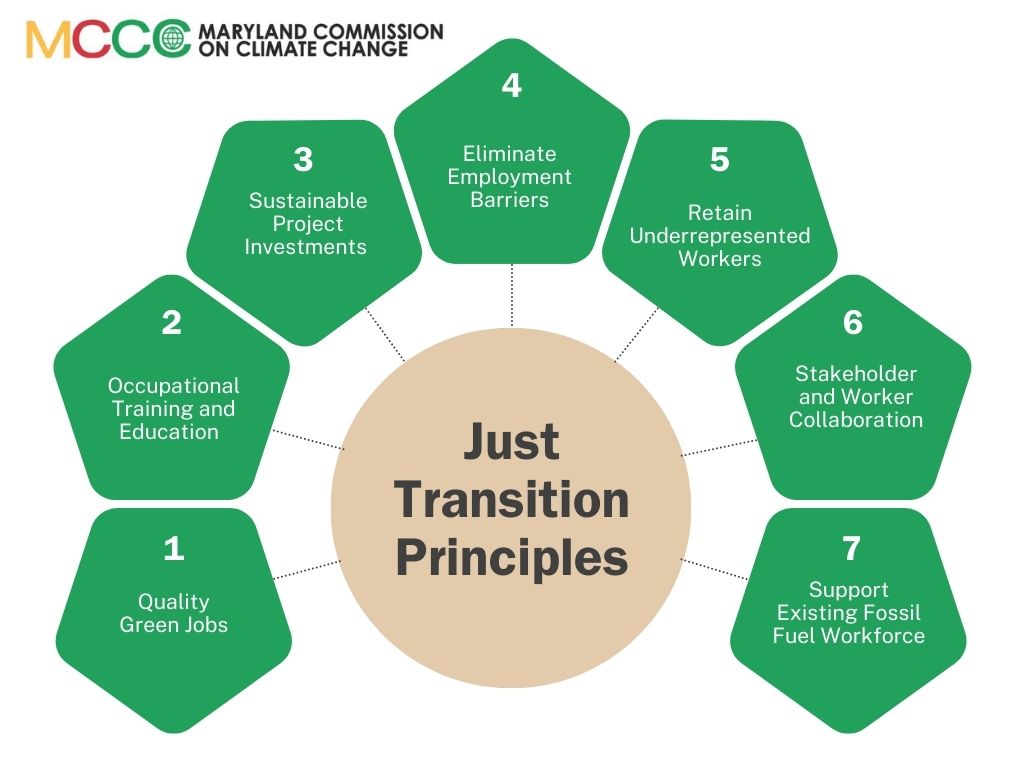
For Australia, this means reconciling its status as one of the world’s largest coal exporters with its stated climate goals. Critics and supporters alike point to the International Energy Agency (IEA), which has consistently warned that the expansion of new oil and gas fields is incompatible with limiting global temperature rises to 1.5 degrees Celsius. The challenge for Australian diplomats is to present a credible pathway that addresses both domestic economic realities and these global scientific benchmarks.
Economic Implications of a Just Transition
A just transition involves significant structural shifts in the labor market. In Australia, the energy sector employs tens of thousands of people, particularly in regional areas of Queensland and New South Wales. The Australian Government’s Jobs and Skills Australia body is tasked with identifying the workforce needs of a clean energy economy, focusing on training and transition programs for workers moving from traditional mining sectors to roles in battery storage, hydrogen production, and renewable infrastructure.

Investment in these sectors has seen a marked increase. As noted by the Clean Energy Council, private and public capital is flowing into large-scale solar and wind projects, though the speed of grid integration remains a primary hurdle. The government’s “Future Made in Australia” initiative, detailed in the 2024-25 Federal Budget, aims to incentivize domestic manufacturing of renewable technologies, positioning the nation as a potential green energy superpower.
Challenges and Regulatory Hurdles
Despite the push for renewables, the approval of new coal and gas projects remains a point of contention. Environmental groups argue that continued fossil fuel investment undermines the credibility of Australia’s international climate leadership. Conversely, industry groups often cite the need for “energy security” and the economic necessity of maintaining export revenue during the transition period.
The regulatory landscape is governed by the Environment Protection and Biodiversity Conservation Act 1999, which provides the legal basis for assessing the environmental impact of major projects. Recent legal challenges have highlighted the complexity of this process, as courts increasingly consider the long-term climate impacts of new resource extraction proposals. The government is currently undergoing reforms to these environmental laws to streamline processes while ensuring higher standards of protection.
Looking Ahead: The Next Steps for Policy
The next major checkpoint for Australia’s climate trajectory is the upcoming round of updated NDCs, which nations are required to submit to the UN ahead of future COP summits. These submissions will serve as a definitive indicator of the government’s ambition to accelerate the phase-out of fossil fuels. Observers will be watching for specific commitments regarding the scale and speed of domestic energy sector reform.

As the conversation continues, transparency remains essential. The government is expected to release further progress reports on the implementation of the Safeguard Mechanism, which mandates that the country’s largest industrial polluters reduce their emissions over time. Public engagement and scrutiny of these policies will continue to play a vital role in shaping the national agenda.
We invite our readers to share their perspectives on this transition. How should a resource-rich nation best manage the shift to a low-carbon future? Please leave your comments below or share this article to contribute to the ongoing discussion on global climate action.
Keep reading