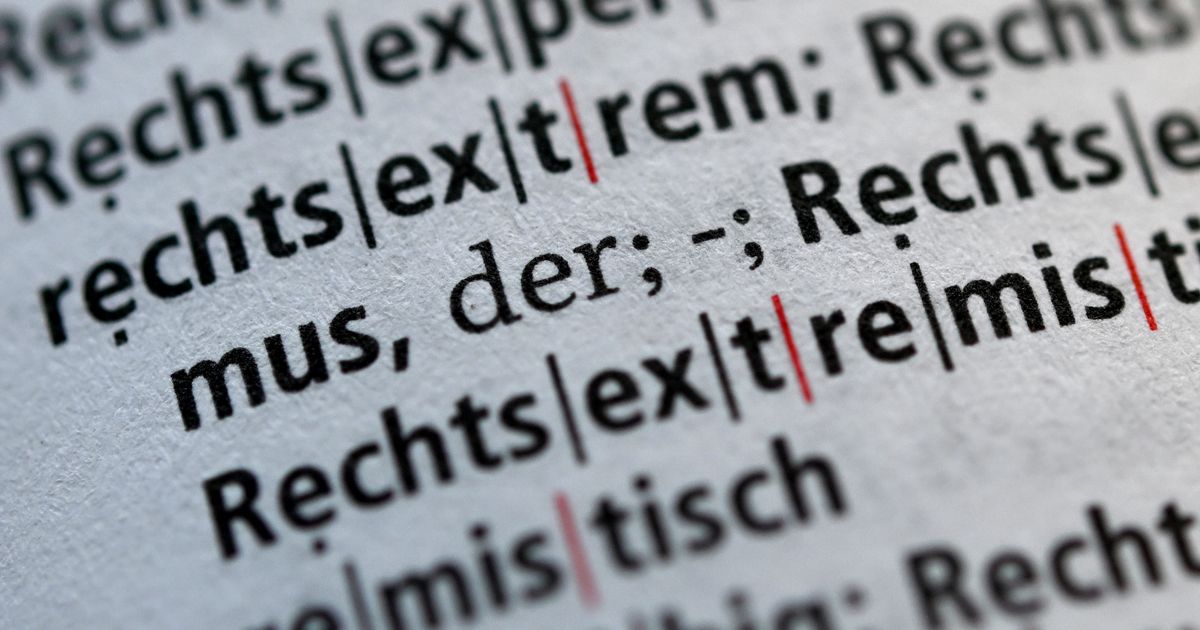
Vienna – A concerning trend is taking hold across Austria, with a significant increase in reported right-wing extremist crimes. According to recent data released by the Austrian Interior Ministry, the number of such incidents rose by approximately one-third in the past year. In 2025, authorities recorded 1,986 reports related to right-wing extremist, xenophobic, racist, Islamophobic, or antisemitic acts. This marks a substantial increase from 2022, when just under 1,000 such cases were reported, signaling a worrying escalation of extremist activity within the country.
The rise in reported incidents reflects a broader European trend of increasing far-right sentiment, and activity. While Austria has long grappled with issues of extremism, the recent surge has prompted increased scrutiny from both government officials and civil society organizations. The data underscores the need for continued vigilance and proactive measures to counter the spread of hate and intolerance. The Austrian government, led by the ÖVP, has pledged to address the issue through a combination of law enforcement efforts and preventative programs.
The figures, stemming from a parliamentary inquiry answered by Interior Minister Gerhard Karner, reveal a breakdown of the reported offenses. Of the nearly 2,000 reports filed in 2025, 1,701 specifically involved right-wing extremist incidents. A further 127 acts were motivated by racism, 93 by antisemitism, and 16 by Islamophobia. Notably, the online sphere plays a significant role in the dissemination of racist and antisemitic content, with over half of racist incidents and nearly three-quarters of antisemitic acts occurring online. In contrast, a comparatively smaller proportion – 28 percent – of explicitly right-wing extremist crimes took place on the internet.
Regional Disparities in Reported Extremist Activity
The distribution of these reported crimes varies significantly across Austria’s nine federal states. Vienna recorded the highest number of incidents with 485 reports, followed by Upper Austria (350), Lower Austria (298), Salzburg (160), Vorarlberg (147), Styria (146), Carinthia (126), Tyrol (113), and Burgenland (43). An additional 118 cases were not attributable to a specific federal state. This geographical concentration suggests that certain regions may be more vulnerable to extremist activity, potentially due to socio-economic factors or the presence of extremist networks. The concentration in urban centers like Vienna also points to the importance of addressing extremism in densely populated areas.
The Interior Ministry’s data also reveals demographic trends among those reported for right-wing extremist crimes. Over 1,500 individuals were reported in 2025, representing a more than one-third increase from the previous year. A striking 90 percent of those reported were male, and 81 percent were Austrian citizens. Interestingly, the proportion of young people among those reported has decreased, with 16 percent being under the age of 18 in 2025, compared to 25 percent in 2024. This shift could indicate a change in the demographics of those involved in extremist activities, or potentially reflect increased preventative measures targeting youth.
Increased Law Enforcement Action
In response to the escalating situation, the Interior Ministry has emphasized an intensification of efforts to combat right-wing extremism. In 2025, authorities conducted 277 house searches (including voluntary inspections) and made 75 arrests, compared to 260 searches and 53 arrests in 2024. These increased law enforcement actions demonstrate a commitment to proactively addressing extremist threats and holding perpetrators accountable. However, critics argue that a more comprehensive approach is needed, encompassing not only law enforcement but also preventative measures such as education and deradicalization programs.
Interior Minister Karner stated, “The constitutional protection goes consistently against every form of extremism.” The Interior Ministry also highlighted the ongoing work on a National Action Plan against Right-Wing Extremism, which aims to consolidate and streamline existing measures undertaken by the Interior, Justice, and Education Ministries, as well as regional authorities and civil society organizations. This plan represents a collaborative effort to address the multifaceted challenges posed by right-wing extremism and promote a more inclusive and tolerant society.
The Role of Online Extremism
The data underscores the growing importance of addressing online extremism. The fact that a significant proportion of racist and antisemitic incidents occur online highlights the need for increased monitoring and regulation of online content. Social media platforms and online forums can serve as breeding grounds for extremist ideologies, facilitating the spread of hate speech and radicalization. Efforts to counter online extremism include removing illegal content, promoting counter-narratives, and working with tech companies to develop algorithms that identify and flag extremist material. However, balancing freedom of speech with the need to protect against hate speech remains a complex challenge.
The Austrian government, along with other European nations, is grappling with the challenge of balancing online freedom with the need to combat the spread of extremist ideologies. The Safer Internet Week, highlighted by the Austrian Interior Ministry’s YouTube channel, with the slogan “Stop the Hate – Show Attitude,” exemplifies the ongoing efforts to raise awareness about online hate crimes and promote responsible online behavior. These initiatives aim to empower individuals to recognize and report hate speech, and to foster a more inclusive and respectful online environment.
Looking Ahead: The National Action Plan
The development of the National Action Plan against Right-Wing Extremism is a crucial step in addressing the growing threat. The plan is expected to outline a comprehensive strategy encompassing law enforcement, education, prevention, and rehabilitation. Key components of the plan may include increased funding for deradicalization programs, enhanced training for law enforcement officials, and the development of educational materials to promote tolerance and understanding. The success of the plan will depend on effective collaboration between government agencies, civil society organizations, and the private sector.
The plan’s focus on collaboration is particularly critical, as addressing right-wing extremism requires a multi-faceted approach. Civil society organizations play a vital role in providing support to victims of hate crimes, raising awareness about the dangers of extremism, and promoting inclusive values. The private sector, particularly social media companies, has a responsibility to address the spread of extremist content on their platforms. By working together, these stakeholders can create a more resilient and inclusive society that is less vulnerable to the appeal of extremism.
The Austrian government’s commitment to combating right-wing extremism is a positive sign, but sustained effort and vigilance will be required to address this complex challenge. The increase in reported incidents serves as a stark reminder of the need for continued action to protect democratic values and promote a society based on respect and tolerance. The next key development to watch will be the publication of the finalized National Action Plan and the implementation of its proposed measures. Further updates on the plan’s progress are expected in the coming months, and the World Today Journal will continue to provide comprehensive coverage of this important issue.
We encourage readers to share their thoughts and experiences on this critical issue in the comments section below. Your insights and perspectives are valuable as we strive to understand and address the challenges of right-wing extremism.
Keep reading