International Efforts Intensify to Combat Wildlife Trafficking
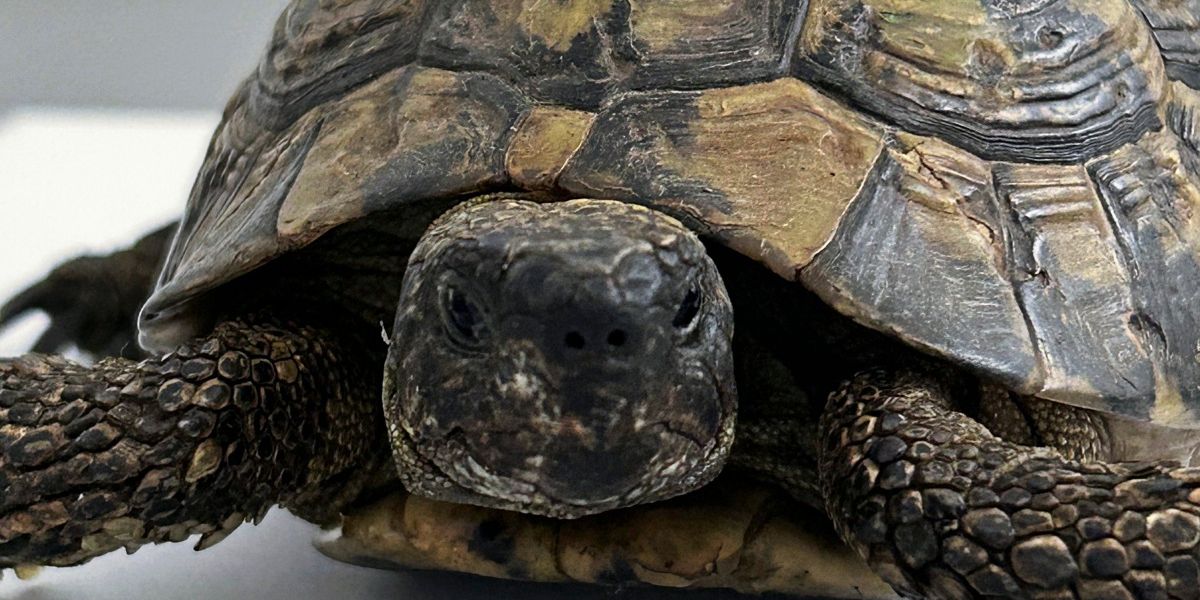
Global authorities are ramping up efforts to dismantle networks involved in the illegal trade of protected animals and plants. A recent operation, the ninth iteration of “Thunder,” resulted in 4,640 seizures worldwide last year, signaling a continued commitment to wildlife conservation. [[1]] The Austrian Customs Authority (ZAÖ) played a role, confiscating items including ivory figurines, 55 earrings crafted from parrot feathers, and a Greek tortoise intended for illegal export.
Operation Thunder: A Global Initiative
Operation Thunder, led by INTERPOL, is a coordinated international law enforcement effort aimed at combating wildlife trafficking. Launched in 2015, it involves police, customs, and border control agencies from over 100 countries. The operation focuses on disrupting the criminal networks that exploit natural resources, driving species towards extinction and undermining ecosystems. each phase of Operation Thunder targets specific trafficking routes and commodities, adapting to emerging trends in the illegal wildlife trade.
Recent seizures and Trends
The recent seizures highlighted by the Austrian authorities demonstrate the diverse range of items targeted by traffickers. Ivory,despite international bans,remains a highly sought-after commodity,fueling the poaching of elephants. The trade in bird feathers, often used for ornamental purposes, contributes to the decline of parrot populations. The attempted smuggling of a Greek tortoise underscores the demand for exotic pets, wich can have devastating consequences for vulnerable species. [[2]]
The Scope of Wildlife Crime
Wildlife crime is a multi-billion dollar industry, ranking among the most lucrative forms of transnational organized crime, alongside drugs, arms, and human trafficking. It poses a significant threat to biodiversity, ecosystem health, and even human security. The illegal trade drives species towards extinction, disrupts ecological balance, and can contribute to the spread of zoonotic diseases. [[3]]
What is Wildlife?
The term “wildlife” encompasses undomesticated animals,plants,and other organisms living in their natural habitats. It includes a vast array of species, from iconic mammals like elephants and tigers to lesser-known plants and insects. Protecting wildlife is crucial for maintaining the health of our planet and ensuring the well-being of future generations.
Looking Ahead
Combating wildlife trafficking requires a multifaceted approach, including strengthened law enforcement, increased international cooperation, demand reduction strategies, and community engagement. Continued operations like Thunder are essential for disrupting criminal networks and protecting endangered species. Raising public awareness about the devastating consequences of wildlife crime is also vital to reducing demand and fostering a culture of conservation.
Worth a look