
The glitz and high stakes of the Colombian Poker Championship in Barranquilla came to an abrupt halt this week as Colombian authorities executed a coordinated raid, suspending the event and seizing essential gaming equipment. The operation, led by the national gambling regulator and the country’s top prosecutorial body, has sent shockwaves through the regional gaming community and highlighted the strict regulatory environment governing games of chance and skill in Colombia.
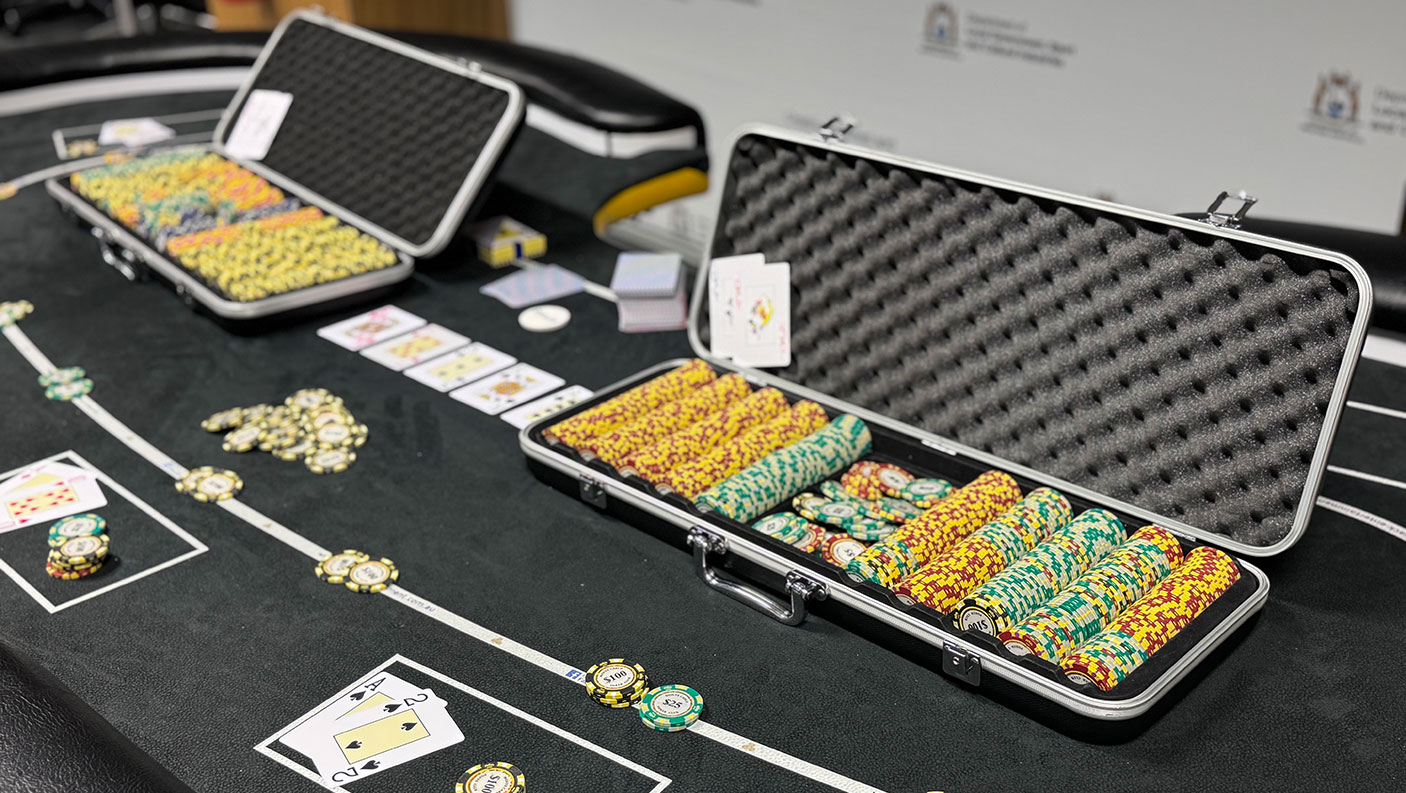
Officials from Coljuegos and the Fiscalía General de la Nación intervened in the tournament, citing a lack of the necessary legal authorizations required to host such an event. During the operation, authorities confiscated poker tables, chips, and playing cards, effectively freezing the competition. The move underscores a broader crackdown on unauthorized gambling operations across the country, where the distinction between professional sports and illegal gaming is often a point of legal contention.
The suspension of the championship serves as a stark reminder of the administrative hurdles facing event organizers in Colombia. To legally operate any game of chance or skill involving monetary prizes, organizers must secure a formal contract with Coljuegos, the government agency responsible for managing and regulating the gambling industry to ensure that revenues are properly directed toward the national health system.
The Raid in Barranquilla: What Happened
The intervention occurred mid-tournament, catching both players and organizers off guard. According to reports from the operation, the Fiscalía and Coljuegos officials arrived at the venue to verify the legal status of the “Campeonato Colombiano de Póker.” Upon discovering that the organizers did not possess the required administrative contract or permit to operate the event, the authorities moved to shut down the proceedings immediately.
The seizure was comprehensive. Authorities did not merely stop the games; they removed the physical infrastructure of the tournament. This included the professional poker tables and the chips used for betting, which are often treated as evidence in cases of unauthorized gambling. The removal of these items was justified by the state’s position that the event was operating outside the legal framework established for gaming activities in Colombia.
For the players involved, the raid resulted in an immediate cessation of play. While the specific number of participants affected has not been officially detailed in a public census, the disruption has sparked significant debate among poker enthusiasts regarding the legality of “skill-based” tournaments versus “games of chance.”
Understanding Coljuegos and Colombian Gaming Law
To understand why a poker tournament would be subject to such a raid, it is necessary to examine the role of Coljuegos. As the sole authority for the administration of games of chance in Colombia, Coljuegos ensures that all gambling activities are licensed, taxed, and monitored. The primary goal of this regulation is to prevent money laundering and to ensure that a percentage of gambling profits are allocated to the Colombian healthcare sector.
Under Colombian law, any activity that involves a bet and a result determined by chance—or a combination of chance and skill—typically falls under the jurisdiction of Coljuegos. Poker, while widely regarded by practitioners as a game of skill, is often categorized under the broader umbrella of gaming activities that require a contract for operation. When an event is held without this contract, it is classified as an “unauthorized game,” which can lead to criminal charges under the jurisdiction of the Fiscalía General de la Nación.
The Fiscalía’s involvement indicates that the state is treating the lack of a contract not merely as an administrative oversight, but as a potential legal violation. In Colombia, operating a gambling house or organizing an unauthorized tournament can be interpreted as a crime against the public economic order, leading to the seizure of assets and potential legal penalties for the organizers.
The Distinction Between Skill and Chance
The raid has reignited a long-standing debate within the Colombian gaming community. Poker players frequently argue that the game is a mental sport requiring strategy, psychology, and mathematical proficiency, rather than a gamble. They contend that tournaments should be treated similarly to athletic competitions rather than casinos.
However, the Colombian regulatory framework generally does not make a wide distinction when monetary buy-ins and prizes are involved. If the event is structured as a “game of chance” (juegos de suerte y azar), the requirement for a Coljuegos contract is non-negotiable. The absence of this document renders the entire operation illegal in the eyes of the state, regardless of the perceived skill level of the participants.
Impact on the Poker Community and Future Events
The suspension of the Colombian Poker Championship in Barranquilla creates a precarious precedent for future tournaments in the region. Organizers are now under increased pressure to ensure total compliance with national laws before announcing events. The seizure of equipment is particularly damaging, as it represents a significant financial loss and a logistical nightmare for those attempting to maintain a professional circuit.
Industry stakeholders are now calling for clearer guidelines on how “skill-based” tournaments can be registered without the prohibitive costs or bureaucratic delays often associated with full casino licensing. Until such a distinction is codified or a more streamlined process for short-term event permits is established, the risk of state intervention remains high.
Key Takeaways from the Operation
- Regulatory Oversight: Coljuegos maintains strict control over all gaming activities to fund public health and prevent illegal financial flows.
- Legal Consequences: Operating without a contract is not just a fineable offense but can involve the Fiscalía and the seizure of all gaming equipment.
- Equipment Seizure: The removal of tables and chips is a standard procedure in unauthorized gaming raids to prevent the immediate resumption of illegal activity.
- Skill vs. Chance: Despite the “sport” argument, the Colombian government continues to regulate poker under gaming laws when money is involved.
What Happens Next?
The organizers of the Colombian Poker Championship now face a legal battle to recover their seized equipment and potentially defend their actions before the Fiscalía. It remains to be seen whether the event will be rescheduled under a legal contract or if the suspension will be permanent.
Players who had buy-ins in the tournament are left in a state of uncertainty regarding the return of their funds, as the financial records of the event may now be part of the Fiscalía’s investigation. This situation highlights the importance for participants to verify the legal status of tournaments before committing capital.
The next confirmed checkpoint in this developing story will be the official ruling from the Fiscalía regarding the legality of the event and the potential return of the seized assets. We will continue to monitor the court filings and official statements from Coljuegos for updates on the status of the championship.
Do you think poker should be regulated as a sport or as a game of chance? Share your thoughts in the comments below and share this article with other gaming enthusiasts.
Related reading