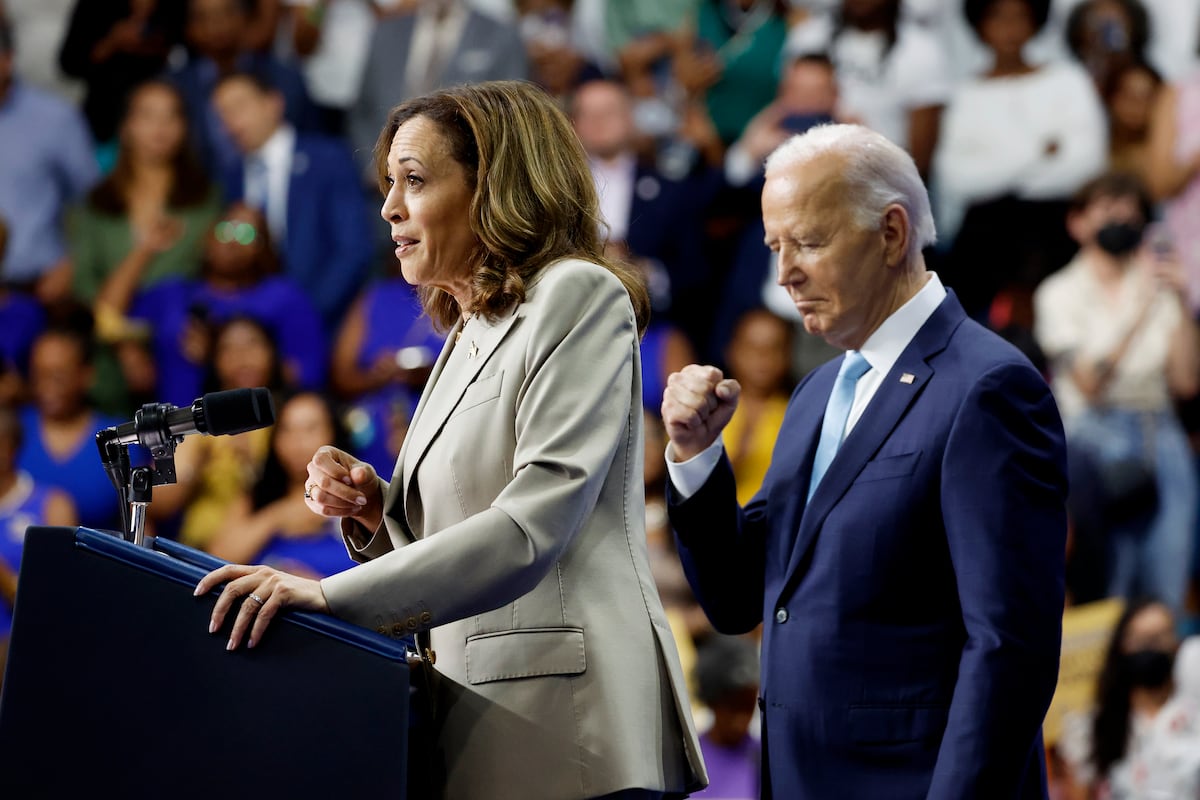
The Democratic Party is currently navigating the aftermath of a comprehensive internal review, as members grapple with the complexities of the 2024 election cycle. A draft report, released this past Thursday, provides a critical assessment of the party’s performance during a period defined by significant leadership changes and a challenging national political landscape. As the party looks toward upcoming midterm elections, this analysis serves as a focal point for understanding the tactical and structural hurdles faced by the organization during the transition from President Joe Biden to Vice President Kamala Harris.
The 192-page document, published by the Democratic National Committee, offers a candid—if contested—perspective on the factors that contributed to the results of the November 5, 2024, general election. Among its findings, the report suggests that the national campaign struggled to effectively define the opposition’s image, while also noting that the White House did not provide sufficient support to the Vice President throughout the preceding three-and-a-half-year period to bolster her national standing prior to her becoming the nominee. These insights have sparked internal discussion regarding campaign strategy and the necessity of long-term political preparation.
Evaluating the 2024 Strategic Landscape
The transition from President Biden’s candidacy to that of Vice President Harris followed a period of intense scrutiny, particularly following the June 2024 presidential debate. The subsequent shift in the Democratic ticket required a rapid recalibration of resources and messaging. According to the internal draft, the inability to effectively leverage the Vice President’s profile early in the administration’s tenure limited the party’s options when the necessity for a new candidate arose. The report posits that a more focused effort on enhancing the Vice President’s popularity earlier in the term might have altered the dynamics of the campaign.

However, the release of this document has been accompanied by significant internal caveats. Notably, the report itself contains a disclaimer stating that there is no evidence provided to support several of its more critical assertions regarding the internal support structures within the administration. This lack of corroboration has led some within the party to question the utility of the document as a definitive “autopsy” of the election results. The paradoxical nature of the report—being published by the organization while simultaneously being distanced from its own quality standards—highlights the ongoing tension within Democratic ranks as they attempt to reconcile the events of 2024.
Looking Toward Midterm Objectives
With the midterm elections approaching in less than six months, the urgency for the Democratic Party to finalize its lessons from the 2024 cycle is palpable. The party aims to address the shortcomings identified in the draft report to improve its electoral prospects. The focus remains on refining campaign strategies, improving national messaging, and ensuring that future candidates are better positioned to respond to shifting political winds. The internal debate over the validity of the report’s claims suggests that the party is still in the process of defining its narrative regarding the previous cycle.
For stakeholders and observers, the report serves as a reminder of the volatility inherent in modern presidential campaigns. The transition from a sitting president to a vice-presidential candidate is a rare event in American politics, and the challenges encountered in 2024 underscore the importance of early strategic planning and sustained visibility for all members of a national ticket. As the party moves forward, the primary goal remains the synthesis of these findings into actionable policies that can be applied to future contests.
Understanding the Path Forward
The internal review process continues to be a subject of intense discussion among party strategists and members. While the draft report offers a critique of past decisions, the absence of verified evidence for key claims ensures that the document will remain a point of contention rather than a settled historical record. The Democratic National Committee has not yet announced a timeline for a finalized, official version of the report that meets their internal quality benchmarks.
As the party prepares for the next phase of its electoral strategy, the focus will likely shift from retrospective analysis to forward-looking platform development. The upcoming midterm cycle represents a critical checkpoint for the party’s efforts to recover from the 2024 defeat. Future updates on party organizational changes or strategic shifts will be monitored as the committees involved in the 2024 review process conclude their work. We invite our readers to share their perspectives on the evolving landscape of American political strategy in the comments section below.
Worth a look