
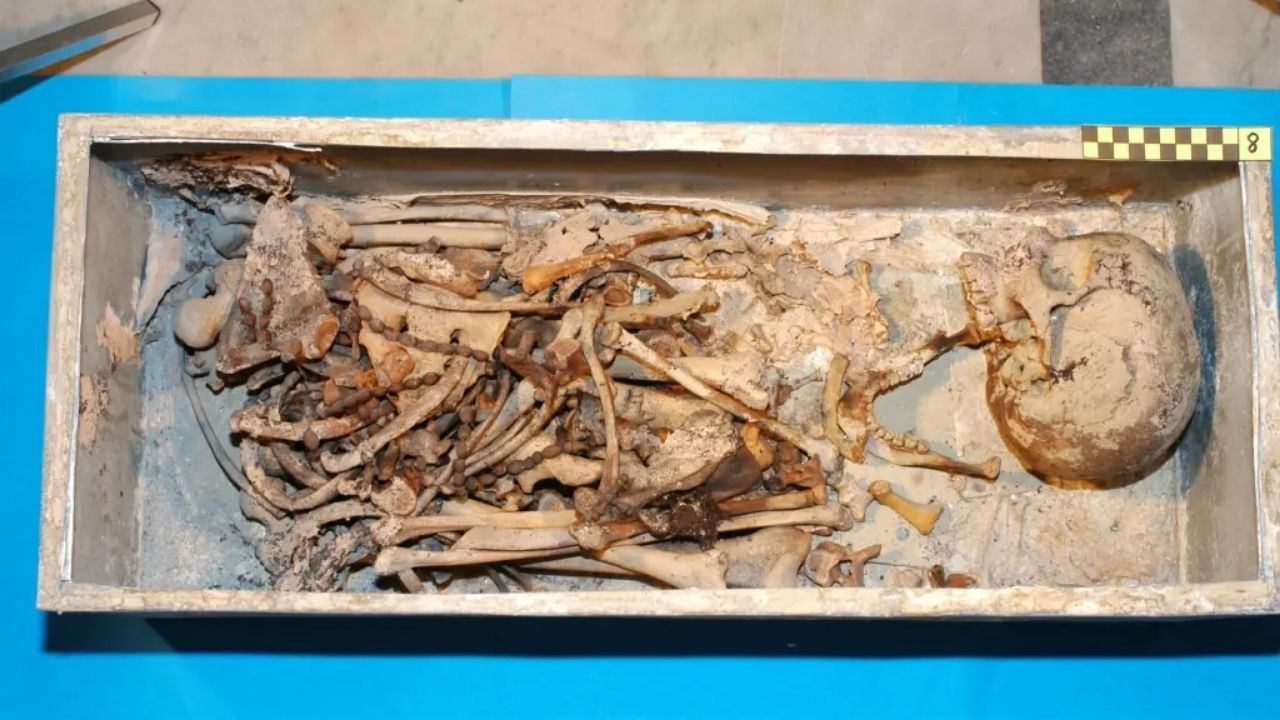
A recent forensic investigation into the remains of the Medici family, the influential dynasty that dominated Renaissance-era Florence, has provided new scientific clarity regarding the health and final days of its prominent members. Researchers analyzing skeletal remains from the Medici Chapels in Florence have successfully identified specific pathological markers, offering a modern medical perspective on a historical lineage that shaped European politics, banking, and the arts for centuries.
The study, which utilized advanced paleopathological techniques, confirms that the Medici family suffered from significant health challenges, including metabolic diseases likely exacerbated by their affluent lifestyle. According to data published in the journal Scientific Reports, researchers from the University of Pisa and the University of Florence examined the remains of several family members, including Grand Duke Cosimo I and his descendants. The analysis revealed clear evidence of gout and hyperuricemia, conditions historically associated with the high-protein, meat-heavy diets typical of the European nobility during the 15th and 16th centuries.
Understanding the Medici Health Profile
The Medici family’s influence was not merely political; their biological legacy has become a subject of intense interest for modern medical historians. By cross-referencing skeletal evidence with historical records—such as contemporary medical diaries and letters—scientists have mapped a clearer picture of the dynasty’s physical decline. The recent findings indicate that chronic conditions, particularly gout, were pervasive throughout the lineage.
According to the Scientific Reports study, the researchers employed high-resolution CT scans and isotopic analysis to determine the dietary habits and health status of the individuals buried in the chapels. The results showed that these figures consumed high levels of animal protein, which directly contributed to the prevalence of metabolic disorders. This scientific validation helps historians understand how the physical limitations of the Medici leaders may have influenced their decision-making and, consequently, the administrative trajectory of the Republic of Florence.
Technological Advancements in Paleopathology
The investigation highlights the role of modern technology in uncovering historical truths. By applying non-invasive imaging techniques, the team was able to analyze the bones without damaging the integrity of the remains. This approach, led by experts in forensic anthropology, has allowed for a more nuanced understanding of how the Medici lived.

The researchers noted that the prevalence of specific diseases in the family was not merely a matter of genetic predisposition but was heavily influenced by the environmental and dietary realities of their status. As noted in findings shared by the Nature Portfolio journal, the integration of clinical pathology into the study of Renaissance remains provides a bridge between historical narrative and modern medicine. These findings effectively demystify long-standing rumors about the family’s health, grounding their legacy in verifiable clinical data rather than speculation.
Why the Medici Medical History Matters
The study of the Medici remains serves as a case study for the evolution of diet-related diseases. By examining the remains of one of the most powerful families in history, scientists can better understand the historical progression of diseases like gout and osteoporosis. This research provides a timeline of human health that spans over 500 years, illustrating how societal status has historically dictated health outcomes.

For those interested in the intersection of history and science, the ongoing work in the Medici Chapels continues to offer insights into the lives of those who defined an era. The project remains a focal point for researchers studying the long-term impact of lifestyle on human health, with future analysis expected to focus on DNA sequencing to further clarify the familial ties and hereditary conditions within the dynasty.
The next phase of this ongoing research, according to the University of Pisa’s project updates, will involve broader genomic studies to compare the results with other noble lineages of the same period. For readers interested in further academic updates, the full findings are accessible via the Scientific Reports archive. We welcome your thoughts on how modern forensic science continues to reshape our understanding of history—please share your comments below.