The Danube Yields an Ice Age Discovery
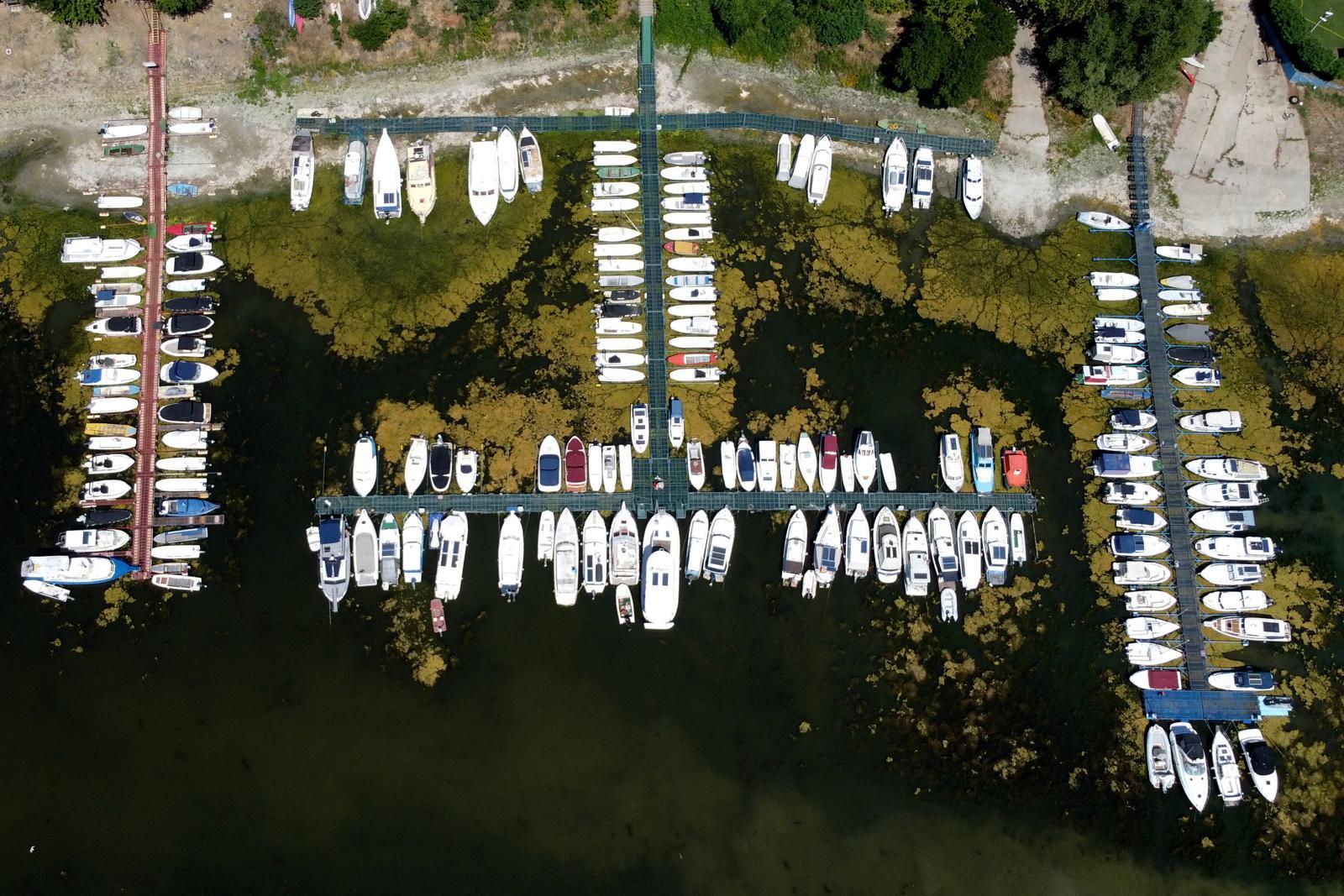
As severe drought conditions across Europe reduce major waterways to historic low levels, receding waters along the Danube River have exposed the fossilized remains of a juvenile mammoth dating back to the Ice Age.
The discovery emerges amid a broader climate crisis gripping the continent, where prolonged heatwaves, sparse rainfall, and rising temperatures have triggered agricultural strain, energy restrictions, and widespread environmental alerts.
Environmental researchers and regional authorities monitoring the receding shorelines noted that the exposure of prehistoric artifacts highlights both the severity of current hydrological droughts and the rich paleontological record buried within European riverbeds.
While local teams have rushed to secure the fragile skeletal remains before shifting currents or weather conditions cause further damage, the find underscores how shrinking water reserves are inadvertently uncovering centuries of hidden history.
The convergence of extreme weather events—including persistent droughts, high summer temperatures, and concurrent wildfires—has strained infrastructure across central and southeastern Europe. Lower water volumes in critical industrial and transport arteries have disrupted commercial shipping logistics and forced regional energy operators to curtail output at thermal and nuclear power plants due to insufficient cooling water.
Uncovering Pleistocene Megafauna Silt Layers
According to environmental monitoring reports from the region, extended dry spells throughout the drainage basin have stripped away protective layers of silt and sediment, exposing riverbeds that normally remain submerged year-round.
Paleontologists explain that river systems frequently act as natural archives, preserving organic remains from Pleistocene epochs where large megafauna roamed the Eurasian steppes.
The discovery of a juvenile specimen offers researchers rare insights into the demographic structures, local habitats, and environmental pressures faced by Ice Age fauna before their eventual extinction.
Conservation Teams Race Against Air Exposure
Experts emphasize that unshielded subfossil material deteriorates rapidly when exposed to modern atmospheric conditions, fluctuating humidity, and direct sunlight following decades or centuries of underwater preservation.
Energy Security and Industrial Freight Disruptions
The dry conditions exposing the Danube’s prehistoric deposits are part of a wider climate phenomenon affecting multiple European watersheds.
Meteorological agencies across the continent have recorded months of below-normal precipitation, creating compounding pressures on agriculture, municipal water supplies, and industrial operations.
Energy security has emerged as a primary concern for governments managing the crisis. Several power facilities situated along major rivers have reduced operational capacities because river water temperatures have risen too high for safe cooling cycles, or because intake pipes sit above the receding waterline.
Authorities Coordinate Resource Allocation and Heritage Protection
Officials continue to coordinate with cultural heritage ministries to safeguard newly uncovered artifacts while managing water resource allocation for agriculture and public consumption.
Related reading