A Tiny Macaque’s Struggle for Acceptance Captivates the World
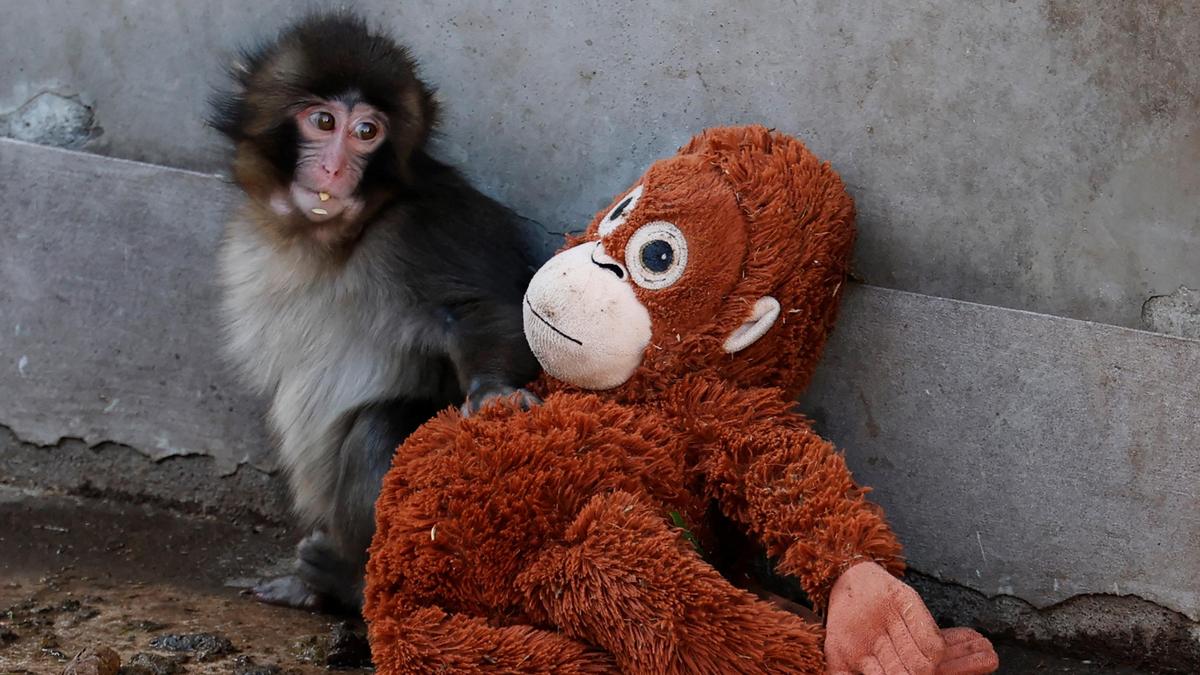
Ichikawa City Zoo, just outside Tokyo, has become an unlikely epicenter of global attention, all thanks to a seven-month-traditional Japanese macaque named Punch. Abandoned by his mother shortly after birth, Punch found solace – and viral fame – in an unexpected companion: a plush orangutan. The heartwarming story of the little monkey’s resilience and search for connection has resonated with audiences worldwide, drawing crowds to the zoo and sparking a wave of support online. The tale of Punch highlights the complex social needs of primates and the dedication of zookeepers to providing care and fostering integration for vulnerable animals.
Born in July 2025, Punch, originally named Panchi-kun, faced a difficult start to life. His mother rejected him due to complications following his birth, leaving him in need of immediate intervention from zoo staff. Japanese macaques, also known as snow monkeys, are highly social animals and young monkeys rely heavily on their mothers for both physical security and the development of crucial social skills. Recognizing this, keepers at the Ichikawa City Zoo quickly sought a substitute for maternal comfort. After experimenting with various options, including rolled-up towels and other stuffed animals, they settled on an orange, bug-eyed orangutan toy sold by the Swedish furniture retailer IKEA.
The choice wasn’t arbitrary. According to zoo officials, the stuffed orangutan’s texture and form – its relatively long hair and multiple grasping points – proved particularly comforting to the young macaque. “We thought that its resemblance to a monkey might help Punch integrate back into the troop later on, and that’s why we chose it,” explained zookeeper Kosuke Shikano, as reported by multiple news outlets including the Independent. Since then, Punch has rarely been seen without his plush friend, dragging it along with him despite its size, becoming a symbol of resilience and the power of comfort.
From Viral Sensation to Troop Integration
Videos of Punch and his orangutan companion quickly spread across social media platforms, capturing the hearts of millions. The hashtag #HangInTherePunch emerged as a rallying cry for supporters, demonstrating a global outpouring of empathy for the little monkey. The story resonated deeply, particularly with those who have experienced feelings of loneliness or abandonment. Miyu Igarashi, a 26-year-old nurse, expressed the sentiment shared by many, stating, “Seeing Punch on social media, abandoned by his parents but still trying so hard, really moved me. So when I got the chance to meet up with a friend today, I suggested we go witness Punch together.”
Still, the initial viral attention also highlighted the challenges Punch faced in integrating with the other macaques at the zoo. Early videos showed instances of Punch being seemingly ostracized, even bullied, by members of the troop. This sparked further concern among his online followers, who anxiously awaited updates on his progress. Zookeepers understood that integration would be a gradual process, requiring patience and careful observation. They noted that the extreme heat during July, when Punch was born, may have contributed to his mother’s decision to abandon him, as reported by The Fresh York Times.
Fortunately, recent developments have brought renewed hope. Zoo officials have reported that Punch has begun to actively engage with other monkeys, marking a significant milestone in his social rehabilitation. While initial attempts to rejoin the troop were overwhelming for the young macaque, the situation has demonstrably improved. A particularly encouraging sign came when another monkey was observed grooming Punch – a behavior that signifies trust, bonding, and acceptance within primate social structures. Grooming is a crucial social activity for macaques, reinforcing relationships and establishing hierarchies. Videos shared by the zoo also show Punch playing with other young monkeys and even climbing onto their backs, indicating a growing sense of belonging.
The Importance of Socialization for Japanese Macaques
Japanese macaques are known for their complex social hierarchies and intricate communication systems. They live in multi-female, multi-male groups, and social interactions are essential for their well-being. Young macaques learn crucial life skills – foraging, climbing, and navigating social dynamics – through play and observation of their mothers and other troop members. The absence of a mother figure can significantly hinder this development, making integration into the troop more challenging.
The Ichikawa City Zoo’s proactive approach to Punch’s care demonstrates a deep understanding of these needs. By providing a comforting substitute in the form of the stuffed orangutan and carefully monitoring his interactions with other monkeys, the zookeepers have created an environment conducive to his social and emotional development. Shumpei Miyakoshi, a caretaker at the zoo, observed that Punch is “actively engaging with other monkeys, and I can feel he’s growing up. Even when scolded by other monkeys, he quickly recovers. He’s mentally strong.” This resilience, coupled with the support of the zoo staff and the outpouring of affection from around the world, is paving the way for a brighter future for the little macaque.
A Symbol of Hope and the Power of Connection
The story of Punch extends beyond a heartwarming tale of a lonely monkey finding a friend. It serves as a powerful reminder of the universal need for connection and the importance of providing support to those who are vulnerable. The viral response to Punch’s story underscores the human capacity for empathy and the shared desire to see others overcome adversity. The increased visitor numbers to the Ichikawa City Zoo, as reported by several news sources, also demonstrate the positive impact that animal welfare stories can have on public engagement with conservation efforts.
While Punch’s journey is ongoing, the progress he has made is undeniable. Zookeepers remain optimistic that he will continue to integrate fully into the troop, eventually reaching a point where he no longer needs the constant comfort of his stuffed companion. However, even if the orangutan remains a cherished friend, it will serve as a poignant reminder of the challenges he overcame and the kindness he received. As Kosuke Shikano aptly put it, “I think there will come a day when he no longer needs his stuffed toy.”
The Ichikawa City Zoo continues to monitor Punch’s progress closely, sharing updates on his integration with the troop via their official X (formerly Twitter) account. Zoo officials have not yet announced any specific events or initiatives related to Punch’s story, but they encourage visitors to check their website for the latest information. The story of Punch serves as a testament to the dedication of zookeepers and the enduring power of connection, offering a beacon of hope in a world often marked by challenges.
Key Takeaways:
- Punch, a baby Japanese macaque, was abandoned by his mother shortly after birth at the Ichikawa City Zoo.
- He found comfort in a stuffed orangutan toy provided by zookeepers.
- Videos of Punch and his toy went viral, capturing the hearts of people worldwide.
- Punch is now showing positive signs of integration with the other monkeys at the zoo.
- His story highlights the importance of social connection and the dedication of animal care professionals.
The Ichikawa City Zoo will continue to provide updates on Punch’s progress. Stay tuned to their official channels for the latest news and consider supporting their conservation efforts. We invite you to share your thoughts on this heartwarming story in the comments below.
Keep reading