Genomic Newborn Screening: understanding Parental Decisions & Outcomes
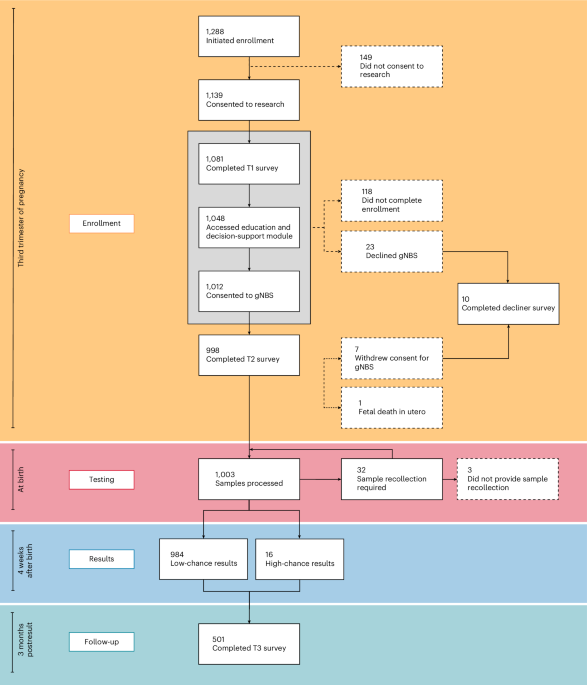
Genomic newborn screening (gNBS) is rapidly evolving, offering the potential to identify genetic conditions early in life. But what influences a parent’s decision to pursue this advanced screening, and what are their experiences afterward? Recent research sheds light on these crucial questions, revealing key factors impacting uptake, parental well-being, and overall satisfaction with gNBS.
Factors Influencing the Decision to Screen
Several factors appear to significantly influence whether parents choose to have their newborns undergo genomic screening. Understanding these can definitely help healthcare providers better support informed decision-making.
* Age: Older parents, specifically those aged 30-34 (2.41 times more likely) and 35 and over (2.58 times more likely), demonstrated a greater inclination towards gNBS.
* Language: Parents who primarily speak English at home were 1.9 times more likely to opt for gNBS. This highlights potential disparities in access to information and culturally sensitive support.
* prior Genetic Testing Experience: Having previously undergone genetic testing increased the likelihood of choosing gNBS by 1.8 times. Familiarity and comfort with genetic concepts likely play a role.
These findings suggest that targeted education and outreach efforts may be particularly beneficial for younger parents, those who speak languages other than English, and individuals without prior experience with genetic testing.
Anxiety Levels & Decision Regret
Interestingly, the study found that parental anxiety levels were generally low at the time of enrollment. Specifically, 80% of participants scored below the threshold for probable clinical state anxiety. This remained consistent at a follow-up survey (85%).
Furthermore, decision regret was remarkably low after receiving results, with a median score of 0. This indicates that, for the vast majority of parents, choosing gNBS was a positive experience.
Experiences with Results: High-chance vs. Low-Chance
Parental experiences varied depending on the results received.
* Low-Chance Results: Parents receiving low-chance results frequently reported feeling reassured. This highlights the value of gNBS in alleviating parental anxieties, even when no concerning conditions are identified.
* High-Chance Results: Parents of infants with high-chance results valued the clinical utility of the information. Eight participants who completed a specialized questionnaire (Genomics Outcomes Scale) reported a mean empowerment score of 26.3 out of 30. Prompt genetic counseling and access to clear, high-quality information were crucial in helping these families adapt and navigate next steps.
Future Intentions & Public Funding
The overwhelming majority of parents who participated in gNBS expressed strong support for its continued availability.
* Future Use: 80% would choose gNBS for a future baby.
* Advice: 92% would recommend it to family members.
* Accessibility: Almost all (97%) believe gNBS should be publicly funded and available to all parents, regardless of socioeconomic status.
This widespread support underscores the perceived value of gNBS and the desire for equitable access to this perhaps life-changing technology.
genomic newborn screening is generally well-received by parents, with factors like age, language, and prior experience influencing the decision to screen. Low regret rates and positive experiences with both low- and high-chance results demonstrate the potential benefits of gNBS. Continued efforts to ensure equitable access and provide complete support are essential to maximizing the positive impact of this evolving technology.