
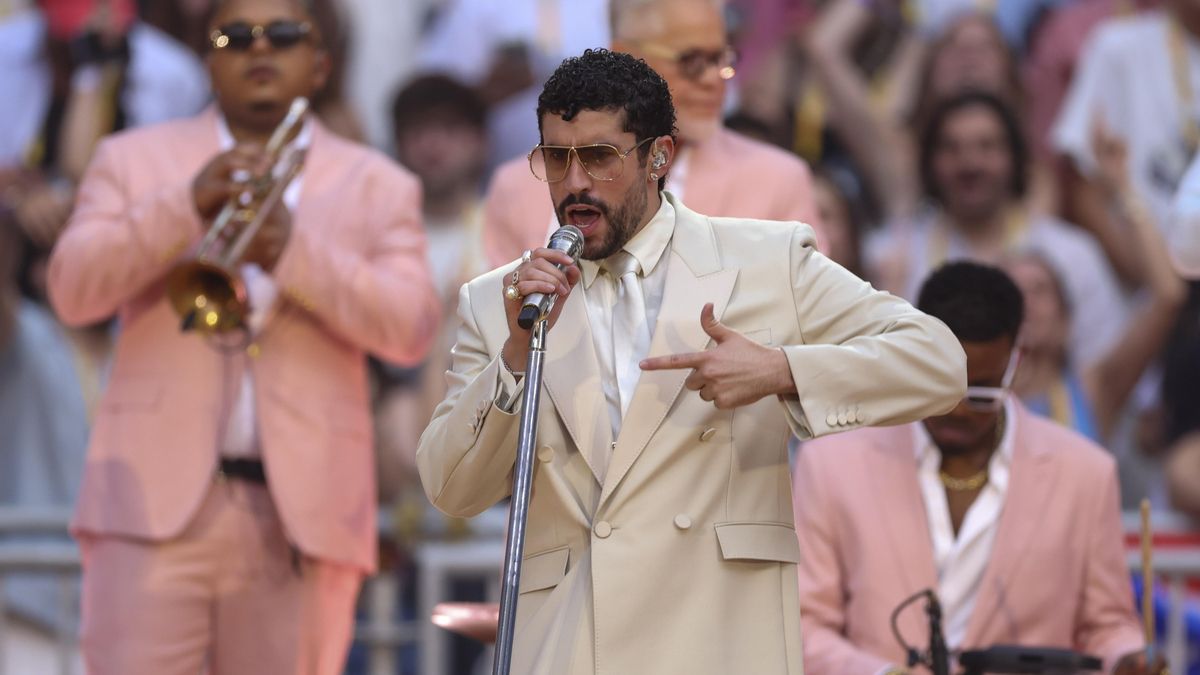
Puerto Rican artist Benito Antonio Martínez Ocasio, known globally as Bad Bunny, concluded a ten-show residency at Madrid’s Riyadh Metropolitano on Monday, marking the final performance of his high-profile “La Casita” stage concept. The closing concert featured a guest appearance by Spanish singer Quevedo and served as the culmination of a massive musical presence in the Spanish capital.
The residency, which spanned ten consecutive dates, drew an estimated crowd of over 700,000 fans to the stadium, according to local attendance projections. This figure represents a significant cultural footprint in Madrid, comparable to the total population of the Córdoba province in Spain. The event solidified the artist’s status as a dominant force in the global music industry, blending reggaeton with explicit messages of Puerto Rican identity and social connection.
The Scale and Impact of the Madrid Residency
The ten-day run at the Riyadh Metropolitano established Madrid as a primary hub for the artist’s recent touring cycle. By performing multiple consecutive nights in a single city, Martínez Ocasio achieved a level of local saturation rarely seen in contemporary pop tours. The scale of the residency was characterized by a massive influx of international and local fans, creating a concentrated period of economic and cultural activity in the region.

The residency was not without its points of discussion among attendees and social media observers. The “La Casita” stage—a central structure designed to resemble a traditional Puerto Rican home—became a focal point for both praise and scrutiny. While many fans viewed the structure as a symbolic bridge to the artist’s roots, some social media commentary highlighted concerns regarding the exclusivity of access to the stage area during the earlier shows in the residency.
Reports from the final night indicated that the production team addressed these criticisms by diversifying the crowd allowed near the “Casita” structure. This shift was noted by attendees, including Spanish actress and National Cinema Award winner Carmen Machi, whose presence underscored the intersection of mainstream pop culture and established Spanish arts during the event.
Symbolism and Controversy of the ‘La Casita’ Stage
The “La Casita” stage served as more than a platform; it functioned as a narrative device throughout the concert series. By placing a piece of Puerto Rican domestic architecture in the center of a modern sports stadium, the production aimed to transplant the atmosphere of a Caribbean neighborhood into the heart of Madrid. This design choice was central to the artist’s effort to maintain his cultural identity while performing for a global audience.

Throughout the ten days, the structure became a viral phenomenon. On social media platforms, the “Casita” was frequently discussed as a symbol of the artist’s connection to his homeland. However, the structure also faced criticism regarding perceived social stratification within the concert experience. Early in the residency, some observers argued that access to the “Casita” appeared to favor a specific demographic of fans, leading to debates about class and inclusivity within the reggaeton subculture.
By the final performance, the atmosphere surrounding the stage appeared to have shifted toward a more inclusive celebration. The artist utilized the space to connect with the local Latin American community in Madrid, emphasizing themes of family and collective enjoyment. Martínez Ocasio addressed the crowd directly, urging attendees to set aside external world concerns and focus on the shared experience of the community within the stadium.
Musical Roots and Political Messaging
The setlist for the final Madrid show was heavily influenced by the artist’s recent discography, which has been noted for its integration of political themes and traditional Puerto Rican sounds. The performance began with “La mudanza,” a track that serves as a tribute to his predecessors and the struggle for Puerto Rican autonomy. This choice set a tone of cultural reverence that persisted throughout the evening.
The artist incorporated various musical genres to honor his heritage, including salsa and boleros. A salsa-style rendition of “Callaíta” was performed alongside his live orchestra, demonstrating a departure from the purely electronic elements often associated with modern reggaeton. This stylistic blend was intended to highlight the depth of Puerto Rican musical history, moving beyond the standard tropes of the genre.
Thematically, the concert addressed the complexities of Puerto Rican identity. Through lyrics that touch on geopolitics and the island’s status, Martínez Ocasio used the platform to advocate for his country’s visibility on the world stage. The performance framed the act of dancing—specifically “perreo”—not merely as entertainment, but as a form of social resistance and uninhibited joy.
Collaborations and the Final Set
A significant highlight of the closing night was the appearance of Spanish artist Quevedo. The collaboration provided a moment of cross-cultural synergy, uniting Puerto Rican reggaeton with the contemporary Spanish urban sound. Quevedo joined the artist on the “Casita” stage to perform tracks including “Columbia” and “Wanda,” as well as a rendition of his widely recognized “Bizarrap Session 52.”

The final third of the concert focused on high-energy hits designed to maximize stadium engagement. Following a period of traditional rhythms provided by “Los pleneros de la Cresta,” the artist returned to the main stage for a series of concluding tracks. The set reached its climax with a sequence including “El apagón,” “Debí tirar más fotos,” and the final song, “EoO.”
The artist concluded the evening by reinforcing his central philosophy for the tour. Addressing the crowd at the Riyadh Metropolitano, Martínez Ocasio stated that the primary purpose of the gathering was to experience the joy of the music and the community, famously noting the importance of the “perreo” culture to the identity of the event.
Concert Summary: Bad Bunny Madrid Residency
| Category | Details |
|---|---|
| Location | Riyadh Metropolitano, Madrid, Spain |
| Total Shows | 10 consecutive performances |
| Estimated Total Attendance | Over 700,000 fans |
| Key Guest Performer | Quevedo |
| Primary Stage Concept | “La Casita” (The Little House) |
| Core Themes | Puerto Rican identity, social resistance, community unity |
The conclusion of the Madrid residency marks a significant milestone in the artist’s current touring cycle. Official updates regarding the next scheduled dates for the tour or subsequent international stops are expected to be released through the artist’s official management channels.
What are your thoughts on the cultural impact of Bad Bunny’s residency in Spain? Share your comments below and share this article with your network.