BAFTA Apologizes to Michael B. Jordan and Delroy Lindo Following Disruptive Incident
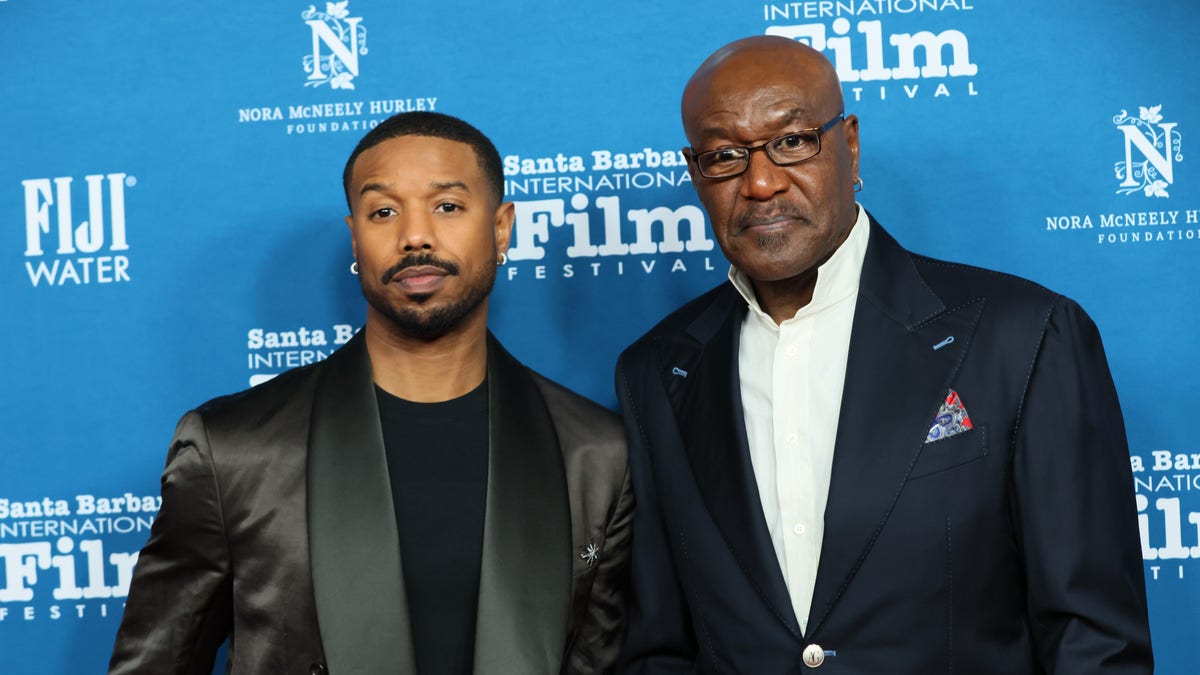
The British Academy of Film and Television Arts (BAFTA) has issued a formal apology to actors Michael B. Jordan and Delroy Lindo after a guest disrupted the awards ceremony with an offensive racial slur. The incident occurred on February 23, 2026, while Jordan and Lindo were presenting an award, prompting widespread condemnation and a swift response from the organization. The incident underscores the ongoing challenges of ensuring inclusive and respectful environments at high-profile events, even with preventative measures in place.
The disruption stemmed from involuntary verbal tics experienced by attendee John Davidson, who has Tourette syndrome. According to BAFTA, the organization was made aware of Davidson’s condition and took steps to inform attendees prior to and during the ceremony. Despite these precautions, a profoundly offensive term – the N-word – was audibly uttered during Jordan and Lindo’s presentation. The actors, demonstrating remarkable composure, continued with the presentation, awarding Avatar: Fire and Ash. This incident has sparked a broader conversation about navigating inclusivity and understanding neurological conditions in public settings.
BAFTA Takes “Full Responsibility” for the Incident
BAFTA acknowledged the severity of the situation in a public statement, taking “full responsibility” for the distress caused to Jordan, Lindo, and all those present. The organization expressed gratitude for the actors’ “incredible dignity and professionalism” in handling the unexpected and upsetting disruption. BAFTA emphasized its commitment to inclusion and stated it would learn from the experience to prevent similar incidents in the future. This commitment to inclusivity is particularly important given BAFTA’s role as a leading voice in the global film and television industry.
However, initial reactions from those directly involved indicated a degree of frustration with the timing of the apology. Delroy Lindo, as reported by TheGrio, stated that he and Jordan “did what [they] had to do” in the moment, maintaining their composure despite the offensive outburst. He similarly expressed a desire for a more immediate response from BAFTA, noting that the apology arrived nearly half a day after the incident. This highlights the importance of timely and direct communication in addressing sensitive situations and demonstrating genuine concern for those affected.
BAFTA’s statement read, “We take full responsibility for putting our guests in a very difficult situation, and we apologise to all.” The organization further affirmed its dedication to keeping inclusion at the core of its operations, believing that film and storytelling serve as “a critical conduit for compassion and empathy.” This commitment to fostering a more inclusive environment is a crucial step in addressing systemic issues within the entertainment industry.
John Davidson Addresses His Outbursts
Following the ceremony, John Davidson, the attendee responsible for the outburst, voluntarily left the auditorium to view the remainder of the event from a separate screen. BAFTA acknowledged his decision and expressed gratitude for his “dignity and consideration of others.” Davidson, whose experience with Tourette syndrome inspired the Outstanding British Film-nominated I Swear, later released a statement through Variety, explaining the involuntary nature of his tics.
Davidson expressed his gratitude for the announcement made by Alan Cumming prior to the recording, which informed the audience about his condition and the potential for involuntary vocalizations. He noted that the subsequent round of applause was heartening, creating a sense of acceptance and understanding in what he acknowledged would normally be an impossible environment for him. Tourette syndrome is a neurological disorder characterized by repetitive, stereotyped movements or vocalizations called tics. According to the Tourette Association of America, approximately 1 in 100 children have Tourette syndrome, and symptoms typically begin before the age of 18.
While acknowledging the support he received, Davidson did not directly apologize to Jordan or Lindo, or to Hannah Beachler, the production designer for Sinners, who reported that one of his tics was directed at her. He reiterated that his tics are beyond his control and that he is “deeply mortified” if anyone perceives them as intentional or carrying any meaning. This underscores the complex nature of the situation, balancing the necessitate for accountability with an understanding of the neurological condition at play.
The Broader Context of Inclusivity and Neurodiversity
This incident at the BAFTA awards serves as a stark reminder of the ongoing need for greater awareness and understanding of neurodiversity. While BAFTA took steps to inform attendees about Davidson’s condition, the incident raises questions about the effectiveness of such measures and the challenges of creating truly inclusive environments. The incident also highlights the importance of addressing systemic racism and the harmful impact of racial slurs, even when uttered unintentionally. The N-word carries a deeply painful history and continues to be a source of trauma for many individuals and communities.
The response to the incident has also sparked debate about the responsibility of event organizers to balance the rights of individuals with neurological conditions with the need to protect attendees from offensive language. Some argue that individuals with conditions like Tourette syndrome should not be allowed to attend public events without ensuring adequate safeguards are in place, while others emphasize the importance of inclusivity and avoiding discrimination. Finding a balance between these competing concerns will require ongoing dialogue and a commitment to creating environments where everyone feels safe and respected.
The BAFTA incident also comes at a time of increased scrutiny of diversity and inclusion within the film and television industry. Recent years have seen growing calls for greater representation of marginalized groups both on and off screen, and for addressing systemic biases that perpetuate inequality. This incident underscores the need for continued efforts to create a more inclusive and equitable industry, where everyone has the opportunity to thrive.
Looking ahead, BAFTA has indicated its commitment to learning from this experience and implementing measures to prevent similar incidents in the future. While the specific details of these measures have not yet been announced, they are likely to include enhanced communication protocols, increased sensitivity training for staff and attendees, and a continued focus on fostering a more inclusive and respectful environment. The organization’s response will be closely watched by industry professionals and advocates for diversity and inclusion.
The incident also raises questions about the role of social media in amplifying and shaping public perception of events. The immediate backlash on social media platforms following the outburst demonstrated the power of online communities to hold organizations and individuals accountable. This underscores the importance of proactive communication and transparency in addressing sensitive issues and managing public relations.
Key Takeaways
- BAFTA issued a formal apology after an attendee involuntarily used a racial slur during the awards ceremony.
- The organization acknowledged its responsibility and expressed gratitude for the composure of Michael B. Jordan and Delroy Lindo.
- The incident highlights the challenges of balancing inclusivity with the need to protect attendees from offensive language.
- John Davidson, the attendee with Tourette syndrome, explained the involuntary nature of his tics.
As BAFTA moves forward, its commitment to inclusivity and its response to this incident will be closely monitored. The organization’s actions will serve as a case study for other event organizers and industry leaders seeking to create more welcoming and respectful environments. The next step for BAFTA will be to announce specific measures to prevent similar incidents in the future, demonstrating its commitment to fostering a truly inclusive and equitable industry. Further updates on BAFTA’s initiatives can be found on their official website: www.bafta.org. We encourage readers to share their thoughts and perspectives on this important issue in the comments below.
Related reading