
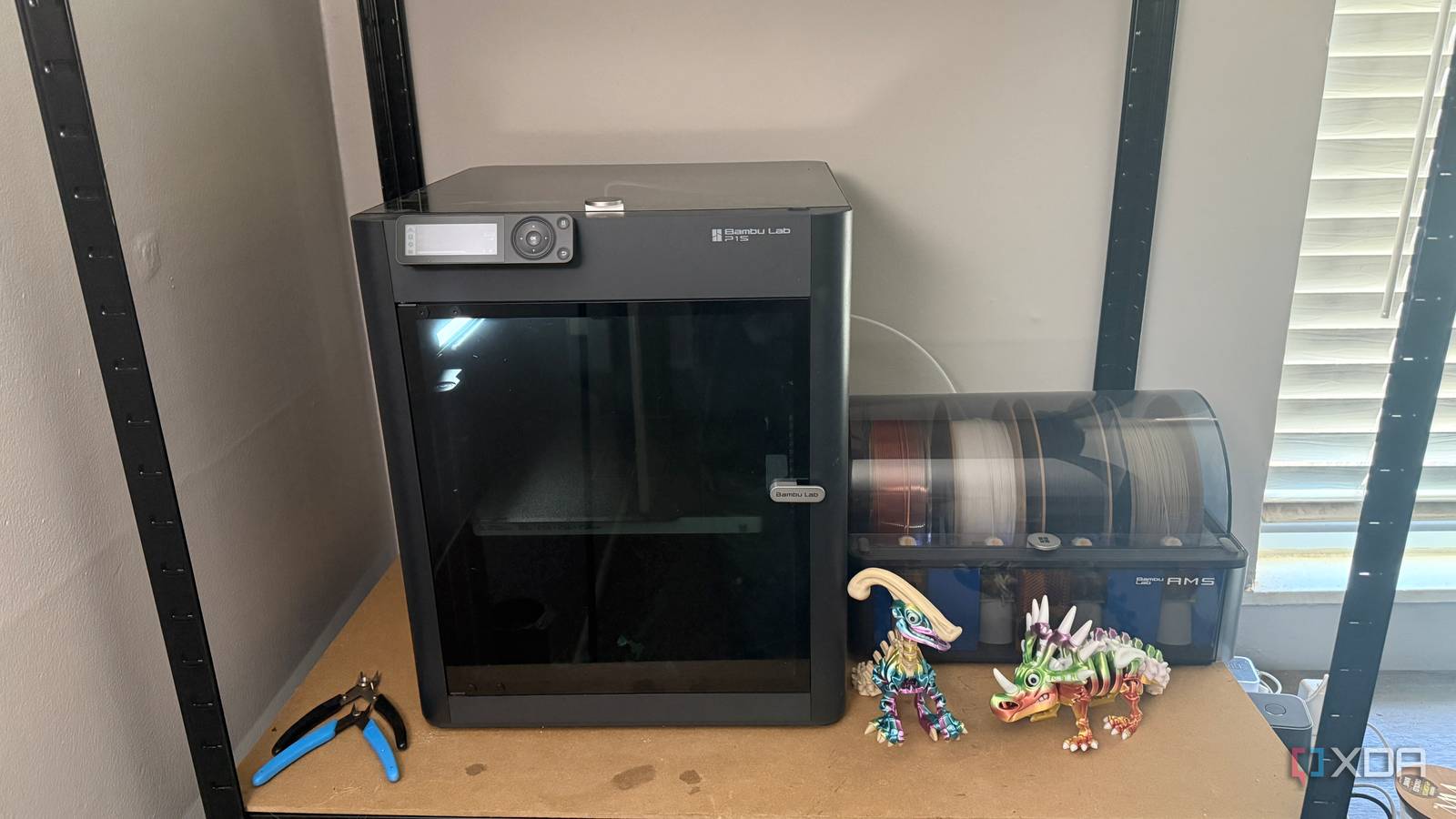
In January 2025, Bambu Lab discontinued direct cloud printing support for OrcaSlicer, a popular third-party slicing software used with its 3D printers. Users who previously sent print jobs directly from OrcaSlicer to their Bambu Lab devices were required to route connections through Bambu Connect, the company’s standalone bridge application. This change disrupted workflows for many in the 3D printing community who relied on OrcaSlicer’s advanced features and preferred a single-app solution.
Bambu Lab stated that OrcaSlicer could continue to function using Bambu Connect, but developers and users objected to the added complexity of managing two separate applications. As noted in discussions on GitHub, the community expressed frustration over losing direct cloud access, with some users opting to avoid firmware updates to preserve functionality, whereas others accepted the trade-off for continued printer support.
The restriction prompted a developer, Paweł Jarczak, to create a fork of OrcaSlicer called OrcaSlicer-bambulab, which restored the direct cloud printing feature by bypassing Bambu Lab’s authorization requirements. This effort was documented in a report by XDA Developers published on April 23, 2026, which detailed how the fork enabled users to regain the convenience of direct printer control without relying on Bambu Connect.
However, shortly after the fork’s release, Bambu Lab issued legal threats, accusing the project of impersonation, authentication bypass, violation of terms of service, and reverse engineering. All releases of OrcaSlicer-bambulab were removed from public distribution. The company maintained that while OrcaSlicer could utilize Bambu Connect, the developers’ refusal to adopt the two-app approach led to the conflict.
Bambu Lab’s position has been consistent: it permits third-party software to interact with its printers only through approved channels like Bambu Connect, its mobile app, or its own slicer, Bambu Studio. According to the company’s official documentation on third-party integration, such access is facilitated via a secure network plugin designed to ensure compatibility and security.
The incident highlights ongoing tensions between open-source software communities and hardware manufacturers over device interoperability and user freedom. While Bambu Lab emphasizes security and controlled access, users and developers continue to advocate for more open systems that allow direct integration without intermediary applications.
As of now, there have been no public announcements regarding a resolution or changes to Bambu Lab’s policy on third-party slicer access. Users seeking to use OrcaSlicer with Bambu Lab printers must either use Bambu Connect or remain on older firmware versions that still support direct cloud printing, though doing so means forgoing future updates and potential security patches.
For updates on this developing story, users are encouraged to follow official communications from Bambu Lab and monitor trusted open-source repositories where licensing and compatibility discussions continue to evolve.
What are your thoughts on the balance between device security and user choice in 3D printing ecosystems? Share your experience in the comments below and support others navigate these technical decisions.