Banco Santander, one of Europe’s largest financial institutions, is reportedly exploring a significant risk transfer transaction involving a portfolio of loans valued at approximately 3.3 billion euros. This move, which has drawn close attention from market analysts and institutional investors, represents a strategic effort to optimize the bank’s capital structure and manage credit risk exposure in an evolving macroeconomic environment.
For global investors, the potential transaction highlights the continued reliance on synthetic risk transfers (SRTs) as a key tool for major lenders. By offloading a portion of the risk associated with a specific loan book to third-party investors, the bank can improve its regulatory capital ratios while maintaining the underlying assets on its balance sheet. According to Reuters, the initiative is part of an ongoing strategy to manage capital efficiency effectively across its diverse international operations.
Understanding Synthetic Risk Transfers in Modern Banking
Synthetic risk transfers are complex financial instruments that have become increasingly popular among systemically key banks. Unlike traditional securitization, where assets are physically sold to a special purpose vehicle, an SRT involves the bank purchasing credit protection—often in the form of a credit default swap or a guarantee—from private investors. This process effectively hedges the bank against potential defaults within a specific portfolio.

The reported 3.3 billion euro portfolio under consideration underscores the scale at which major European banks are now operating to meet stringent capital requirements under the Basel III framework. By transferring the “first loss” or “mezzanine” risk to investors such as hedge funds, pension funds, or private credit managers, Santander can reduce the amount of capital it is required to hold against these loans. This, in turn, frees up capital that can be deployed for new lending activities or returned to shareholders, provided the bank maintains its commitment to capital allocation discipline.
Market Context and Strategic Rationale
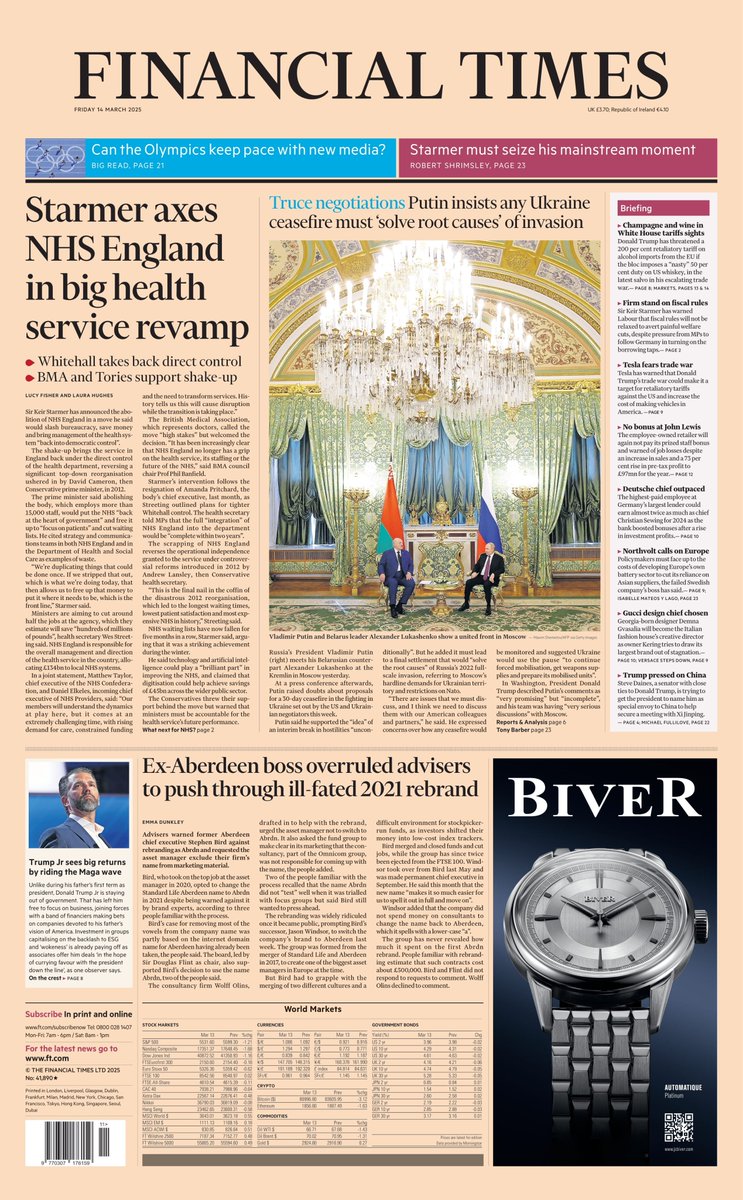
The decision to pursue a risk transfer of this magnitude does not occur in a vacuum. Financial institutions are currently navigating a landscape characterized by fluctuating interest rates and shifts in corporate credit quality. As reported by the Financial Times, banks are increasingly utilizing these instruments to fine-tune their balance sheets, particularly in segments where credit risk is deemed manageable but capital usage is high.
For Santander, the focus remains on balancing growth with prudent risk management. The bank has historically utilized such mechanisms to ensure it remains well within the regulatory buffers mandated by the European Central Bank (ECB) and other supervisory bodies. The specific details of the current portfolio—including the nature of the underlying loans, such as whether they are corporate, commercial, or consumer credit—are critical factors that investors will monitor as the deal progresses toward potential execution.
What This Means for Stakeholders
For the average shareholder, the primary takeaway is that the bank is proactively managing its solvency and liquidity profiles. Capital optimization is a hallmark of a mature, disciplined financial institution. However, these transactions also reflect the bank’s internal assessment of credit risk. If the bank is willing to pay a premium to transfer this risk, it suggests a desire to mitigate potential volatility in its earnings should the economic climate deteriorate.
Key considerations for the market include:
- Capital Ratios: The primary objective is usually the optimization of the Common Equity Tier 1 (CET1) ratio.
- Risk Appetite: The transaction provides insight into which parts of the bank’s loan book management views as requiring a hedge.
- Investor Demand: The pricing of such a transfer will serve as a proxy for how the private credit market perceives the risk profile of European bank loan portfolios.
until the transaction is officially confirmed by the bank through regulatory filings or a formal press announcement, the specific terms remain subject to market conditions, and negotiation. Investors should look for updates in upcoming quarterly earnings reports or official regulatory disclosures provided on the Banco Santander Investor Relations portal.
Looking Ahead: Monitoring Official Disclosures
As the market awaits further clarity, the focus will shift to whether the bank confirms the scale and scope of this portfolio transfer. Regulatory bodies, including the European Banking Authority, continue to monitor the growth of the SRT market, emphasizing the need for transparency in how these risks are transferred and managed by the broader financial system.
While rumors of such transactions are common in the banking sector, they serve as a reminder of the sophisticated tools available to modern financial institutions to maintain stability. We will continue to monitor official communications from Santander and relevant regulatory updates to provide the most accurate assessment of how this potential transfer evolves. For those interested in the intricacies of European banking capital policy, the next major update regarding capital position will be provided during the bank’s subsequent financial reporting cycle.
Have you been following the trends in synthetic risk transfers? Share your thoughts in the comments below or join the conversation with our global business community.
Related reading