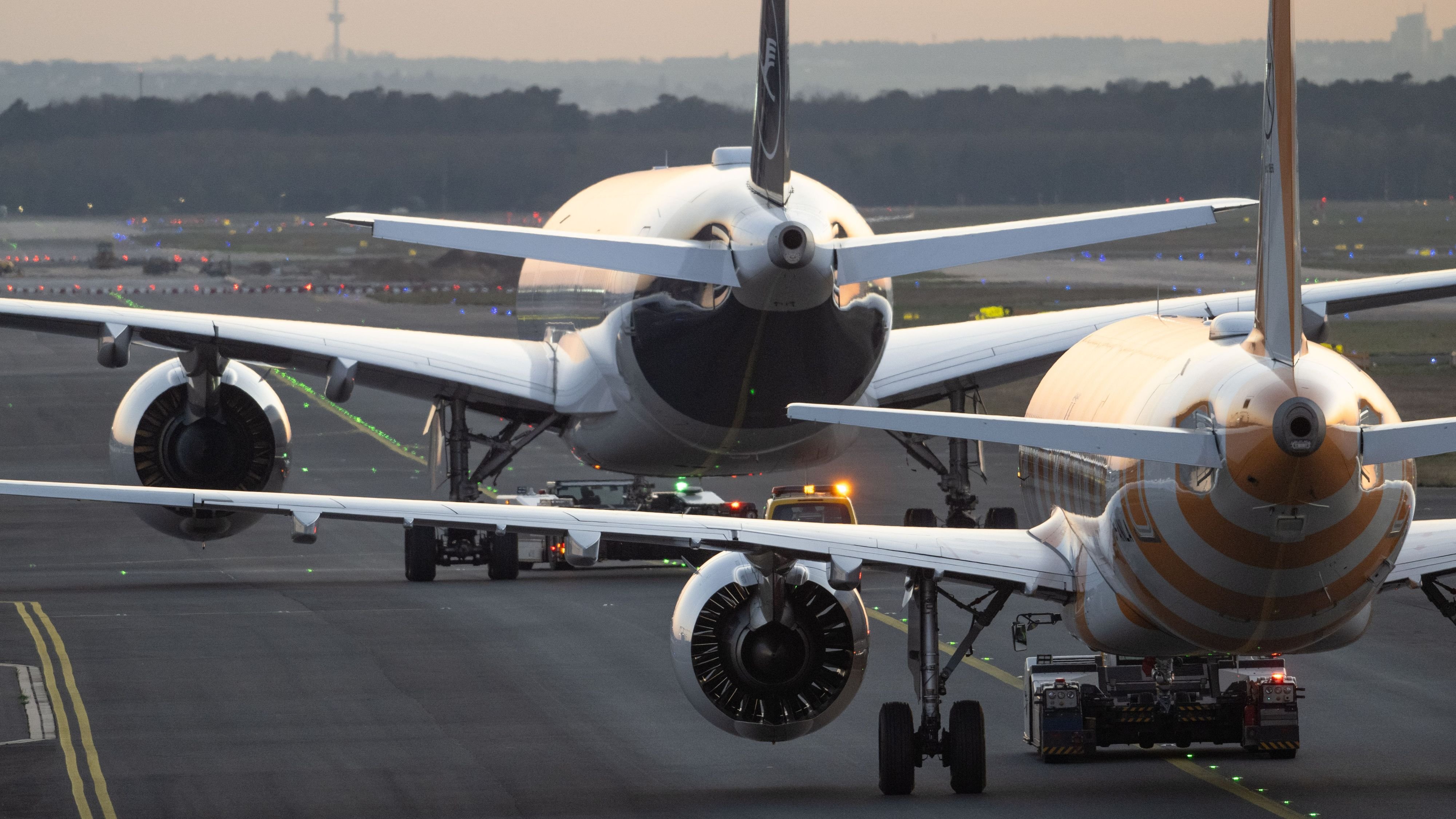
Bangkok, Thailand – The escalating geopolitical tensions in the Middle East are reverberating across global markets, and one of the most visible impacts is a significant surge in the cost of international air travel. A round-trip economy class ticket from Munich, Germany, to Bangkok is currently priced at over €3200, according to recent reports, representing an increase of approximately 160% compared to pre-conflict levels.
This dramatic price hike isn’t simply a matter of increased demand; it’s a direct consequence of the altered flight paths airlines are now forced to take to avoid airspace over conflict zones. The closure of certain air corridors, particularly those traversing the Middle East, adds considerable distance and fuel consumption to flights between Europe and Asia, driving up operational costs for carriers like Lufthansa. The situation highlights the interconnectedness of global events and their impact on everyday expenses for travelers.
Rising Fuel Costs and Rerouted Flights
The primary driver behind the soaring ticket prices is the increased cost of jet fuel, which has been volatile in recent weeks due to the instability in the Middle East. Beyond fuel, airlines are incurring additional expenses due to the necessity of rerouting flights. Flights that previously took a direct path are now being diverted south of the affected areas, adding hundreds, and in some cases, thousands of miles to the journey. This translates directly into higher fuel burn and increased flight times.
Lufthansa, a major player in the European aviation market, is directly affected by these changes. The airline serves Thailand with regular flights to Bangkok’s Suvarnabhumi International Airport (BKK) and Phuket International Airport (HKT). Lufthansa Services Thailand Ltd., established in 1993, provides ground handling services at both airports, as well as from a service center in Bangkok city center, supporting a wide range of airline customers. The company reports serving over 3600 load sheets per month and handling approximately 198,000 check-ins monthly, demonstrating the significant volume of air travel passing through Thailand.
Impact on Tourism and Travel Plans
The substantial increase in airfare is raising concerns about a potential crisis in the tourism sector, particularly for destinations like Thailand that rely heavily on international visitors. Thailand’s tourism industry has been steadily recovering from the impacts of the COVID-19 pandemic, but this sudden surge in travel costs could significantly dampen demand. Potential travelers are now faced with the difficult decision of whether to absorb the higher costs or postpone their travel plans altogether.
The impact isn’t limited to leisure travelers. Business travel is also likely to be affected, as companies reassess the cost-benefit of sending employees on international assignments. This could have broader economic consequences, impacting trade and investment flows. The situation underscores the vulnerability of the tourism industry to external shocks, such as geopolitical instability and fluctuations in fuel prices.
Lufthansa’s Response and Industry Trends
Lufthansa has not publicly commented specifically on the €3200 price point for Munich-Bangkok flights, but the airline has acknowledged the broader impact of the Middle East conflict on its operations and pricing. In a statement released earlier this month, Lufthansa stated that it is “actively monitoring the situation” and “adjusting flight schedules and routes as necessary to ensure the safety of passengers and crew.” The airline has also indicated that it is implementing fuel surcharges to partially offset the increased costs.
The trend of rising airfares is not unique to Lufthansa. Across the industry, airlines are grappling with similar challenges. According to data from travel industry analysts, average airfares on long-haul routes have increased by 15-20% in the past few weeks. This increase is being felt most acutely on routes that traditionally relied on airspace over the Middle East, such as those connecting Europe and Asia.
Ground Handling Services in Thailand
Amidst the challenges faced by airlines, companies like Lufthansa Services (Thailand) Ltd. Play a crucial role in ensuring smooth operations at Thai airports. Founded in 1993, the company provides a comprehensive range of ground handling services, including passenger and baggage handling, aircraft servicing, and cargo handling. Lufthansa emphasizes the importance of a comfortable and relaxed flight experience for passengers traveling to destinations like Bangkok, highlighting the airline’s commitment to customer service.
LST’s customer satisfaction rating stands at 4.7 out of 5, indicating a high level of service quality. The company serves customers at Suvarnabhumi International Airport (BKK) and Phuket International Airport (HKT), and operates a service center in Bangkok. Its operations are supported by Europe’s largest aviation group, ensuring access to the latest technologies and best practices in aviation services. The company handles approximately 92,000 customer calls per month, demonstrating its commitment to providing responsive and efficient support.
Looking Ahead: Uncertainty and Potential Solutions
The duration and ultimate resolution of the conflict in the Middle East remain uncertain, and this uncertainty is weighing heavily on the aviation industry. Until the situation stabilizes, airlines are likely to continue facing higher fuel costs and the require to reroute flights, which will translate into higher ticket prices for passengers.
Potential solutions to mitigate the impact of rising airfares include the development of more fuel-efficient aircraft, the exploration of alternative flight paths, and the implementation of government policies to support the aviation industry. But, these solutions are unlikely to provide immediate relief. In the short term, travelers may need to adjust their expectations and be prepared to pay a premium for international air travel.
The situation also highlights the need for greater diversification in the tourism sector. Destinations that are overly reliant on a single source market or a specific type of tourism are particularly vulnerable to external shocks. Investing in latest tourism products and markets can help to build resilience and ensure the long-term sustainability of the industry.
The next key development to watch will be the release of Lufthansa’s first-quarter earnings report, scheduled for late April, which will provide further insight into the financial impact of the current crisis on the airline’s operations. Travelers are advised to stay informed about the latest developments and to consult with their travel agents for the most up-to-date information on flight availability and pricing.
What are your thoughts on the rising cost of air travel? Share your experiences and concerns in the comments below.
Related reading