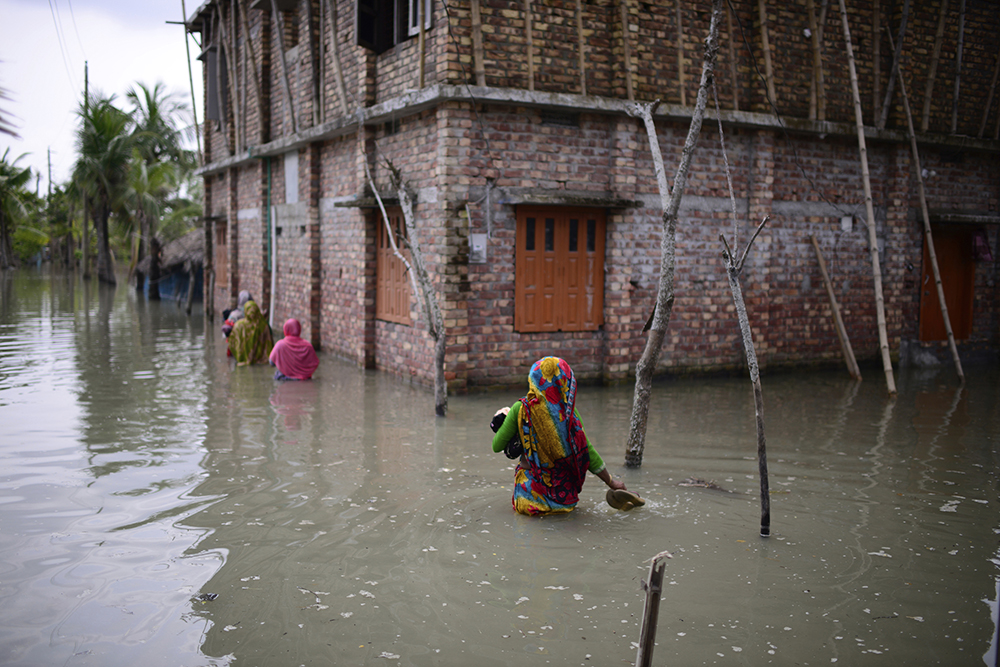
Living with Rising Waters: Bangladesh Faces a Climate Crisis
Bangladesh, a low-lying delta nation, is on the front lines of the climate crisis. The country is acutely vulnerable to the impacts of rising sea levels, increasingly frequent and intense cyclones, and devastating floods. Nearly half of its population lives within 10 meters of sea level, making them particularly susceptible to erosion and inundation. The challenges facing Bangladesh are not merely environmental; they are deeply intertwined with socio-economic factors, impacting livelihoods, displacement, and long-term stability. The situation demands urgent attention and innovative solutions, yet progress in implementing climate-resilient housing and infrastructure remains slow, according to recent reports.
The geographical characteristics of Bangladesh contribute significantly to its vulnerability. Formed by the confluence of the Ganges, Brahmaputra, and Meghna rivers, the country’s deltaic plains are naturally prone to flooding. This inherent risk is now being exacerbated by climate change, leading to more unpredictable and extreme weather events. The United Nations has warned that there is “no end” expected to the increasing frequency and intensity of floods and storms as global heating continues, posing an existential threat to low-lying nations like Bangladesh. The country’s dense population further complicates matters, placing immense pressure on already strained resources and infrastructure.
A History of Devastation: Cyclones and Flooding
Bangladesh has a long and tragic history of suffering from natural disasters. In November 2007, Cyclone Sidr brought catastrophic flooding to the country, causing widespread damage and loss of life. NASA’s Earth Observatory documented the extensive flooding that followed the cyclone, highlighting the scale of the devastation. While Bangladesh has made strides in disaster preparedness and early warning systems, the increasing intensity of these events is testing the limits of its capacity to cope. The country’s vulnerability is not simply a matter of geography; it’s also linked to socio-economic factors, including poverty and limited access to resources.
The impacts of these disasters are far-reaching. Flooding contaminates freshwater sources, leading to outbreaks of waterborne diseases. Erosion displaces communities, forcing people to abandon their homes and livelihoods. Agricultural land is rendered unusable, threatening food security. The economic costs of these disasters are substantial, hindering Bangladesh’s development progress. The cycle of disaster and recovery traps many communities in a state of chronic vulnerability.
The Challenge of Climate-Resilient Housing
One crucial aspect of adapting to climate change is the development and implementation of climate-resilient housing models. Traditional housing in Bangladesh is often ill-equipped to withstand the impacts of floods and cyclones. Though, despite the urgent require, the adoption of more resilient building techniques has been slow. A recent report by Mongabay highlights the challenges in scaling up these models, citing factors such as cost, access to materials, and a lack of awareness among communities.
Several innovative approaches to climate-resilient housing are being explored in Bangladesh. These include elevated platforms, stilt houses, and the use of locally sourced, sustainable materials. Floating homes, designed to rise and fall with floodwaters, are also gaining traction in some areas. However, these solutions are often expensive and require significant investment. Ensuring equitable access to these technologies remains a major challenge. The need for affordable, scalable, and culturally appropriate housing solutions is paramount.
The Human Cost: Displacement and Migration
As climate change intensifies, displacement and migration are becoming increasingly common in Bangladesh. People are being forced to leave their homes due to erosion, flooding, and loss of livelihoods. This displacement often leads to overcrowding in urban areas, putting further strain on infrastructure and resources. Internal migration is a growing phenomenon, with people moving from rural areas to cities in search of safety and economic opportunities.
The impacts of climate-induced displacement are particularly severe for vulnerable populations, including women, children, and marginalized communities. Displaced people often face discrimination, lack of access to basic services, and increased risk of exploitation. The psychological toll of displacement can also be significant, leading to trauma and mental health issues. Addressing the needs of climate migrants requires a comprehensive approach that includes providing adequate housing, healthcare, education, and livelihood opportunities.
International Responsibility and the Path Forward
While Bangladesh is taking steps to adapt to climate change, the country bears a disproportionate burden for a problem largely caused by the industrialized nations of the Global North. Historically, these nations have emitted the vast majority of greenhouse gases, driving the climate crisis. There is a growing call for increased international support for Bangladesh, including financial assistance, technology transfer, and capacity building.
The commitments made under the Paris Agreement are crucial, but they are not sufficient to address the scale of the challenge. Developed countries must fulfill their pledges to provide climate finance to developing nations, and they must increase their ambition in reducing greenhouse gas emissions. International cooperation is needed to develop and deploy innovative climate solutions, such as early warning systems, climate-resilient infrastructure, and sustainable agricultural practices.
Bangladesh’s experience offers valuable lessons for other countries facing similar challenges. The country’s success in disaster preparedness and early warning systems demonstrates the importance of investing in resilience. Its efforts to promote climate-resilient housing and agriculture provide models for adaptation. However, the long-term sustainability of these efforts depends on a concerted global effort to address the root causes of climate change. The future of Bangladesh, and indeed the future of many low-lying nations, hinges on the collective will to act decisively and equitably.
The next key development to watch will be the outcome of the upcoming climate finance negotiations at the COP29 conference in Baku, Azerbaijan, in November 2024. These talks will be critical in determining whether developed nations will meet their commitments to provide financial assistance to vulnerable countries like Bangladesh. Continued monitoring of the situation and advocacy for increased international support are essential. Share your thoughts and experiences in the comments below.
Worth a look