
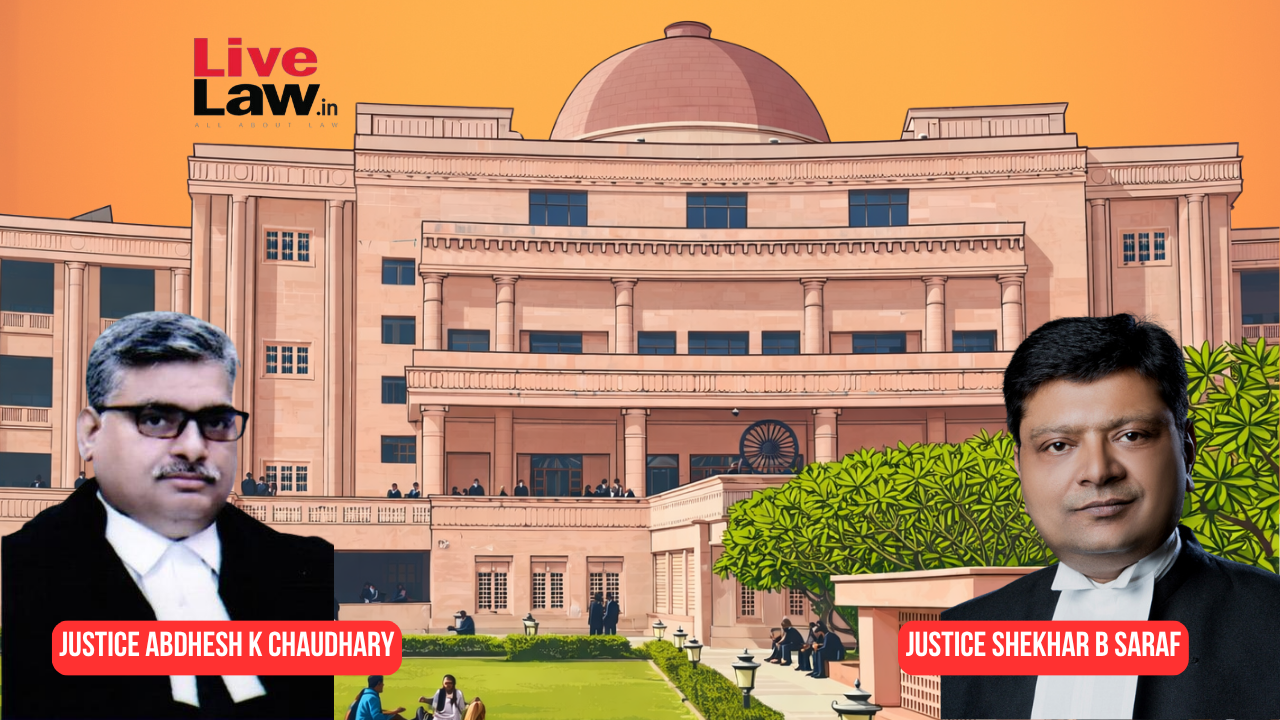
The Allahabad High Court has ruled that a bank can recover unpaid loan dues directly from a guarantor after the principal borrower defaults, without needing to exhaust recovery measures against the primary debtor first. A Lucknow bench comprising Justice Shekhar B. Saraf and Justice Abdhesh Kumar Chaudhary delivered the judgment, confirming that a lender has the legal right to pursue either the borrower or the guarantor, or both simultaneously, under Indian law as reported by LiveLaw.
The ruling reinforces that a surety’s financial responsibility mirrors that of the principal debtor. The decision emerged from a legal challenge brought by two employees who had acted as guarantors for a colleague’s loans through the UP Postal Primary Cooperative Bank Limited according to details covered by the Free Press Journal.
Loan Defaults and Salary Deductions at UP Postal Primary Cooperative Bank
The case centers on principal borrower Vikrant Dubey, who secured three separate credit facilities from the UP Postal Primary Cooperative Bank Limited during 2022-23. According to court filings, these credit lines included a festival loan of ₹50,000, a short-term loan of ₹3 lakh, and a personal loan of ₹18 lakh noted LiveLaw. After Dubey defaulted on repayments, the lending institution initiated recovery actions against him while concurrently moving to secure the outstanding balance from his colleagues, Vineet Pandey and Anoop Kumar Mishra, who had signed as guarantors.
To recover the funds, the bank formally requested the Postal Department—where both petitioners were employed—to deduct ₹10,000 per month from the salary of each guarantor reported the Free Press Journal. In response, Pandey and Mishra filed writ petitions before the Allahabad High Court, arguing that simultaneous recovery actions were legally impermissible. Their legal counsel contended that the bank was obligated to fully exhaust recovery remedies against Dubey before approaching the guarantors for any residual unpaid balance.
Judicial Interpretation of Section 128 of the Indian Contract Act
The division bench firmly rejected the petitioners’ arguments by invoking Section 128 of the Indian Contract Act, 1872, which governs surety liability. The judges noted that unless a contract of guarantee explicitly provides otherwise, the liability of a guarantor is immediate, absolute, and co-extensive with that of the principal debtor detailed LiveLaw. The court emphasized that a guarantor’s financial obligation is neither more nor less than that of the primary borrower for the entirety of the defaulted sum.

“The guarantor is liable for the whole of the amount for which the principal borrower is liable, and his liability is neither more nor less, unless the contract of guarantee provides otherwise,” the bench observed in its written order as cited by LiveLaw. The court further clarified that because the liability is joint and several, creditors retain the legal liberty to proceed against either party or both at the same time, without waiting for the conclusion of separate legal proceedings against the main borrower noted the Free Press Journal.
Precedents and Rejection of Petitioner Arguments
During the proceedings, the petitioners cited the Supreme Court judgment in Ram Kishun v. State of U.P. to support their claim that guarantors should be shielded until primary assets are exhausted. The High Court dismissed this reliance, stating that the cited precedent actually reaffirmed that a surety cannot legally restrain execution proceedings against themselves while primary recovery is underway reported LiveLaw. The bench reinforced its position by referencing established Supreme Court rulings in Bank of Bihar Ltd. v. Dr. Damodar Prasad, State Bank of India v. M/s Indexport Registered, and Industrial Investment Bank of India Ltd. v. Biswanath Jhunjhunwala according to court documents analyzed by LiveLaw.
Ultimately, the court upheld the validity of the monthly salary deductions of ₹10,000 and dismissed the petitions filed by Pandey and Mishra confirmed the Free Press Journal. The Free Press Journal notes that while guarantors face immediate liability under such rulings, they retain subsequent legal rights to seek recovery or financial contribution from the principal borrower after clearing the debt with the lending institution.