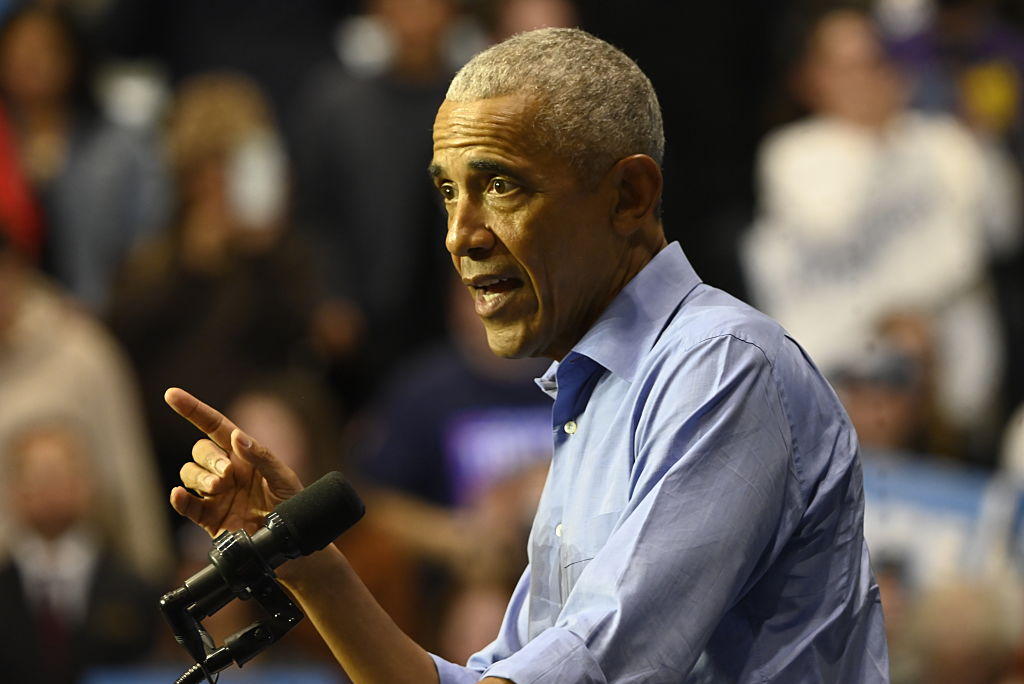
Obama Expresses Skepticism Over Potential US-Iran Nuclear Agreement, Warns Against Military Solutions
Former President Barack Obama expressed skepticism Sunday that any forthcoming agreement between the United States and Iran will surpass the 2015 nuclear deal in effectiveness, warning that military force is not a viable substitute for diplomatic negotiation. During an interview with ABC News, the former president cautioned that the U.S. cannot “bomb” its way to successful foreign policy outcomes in the Middle East.
Speaking with ABC’s Robin Roberts, Obama questioned whether a new diplomatic framework could offer significant improvements over the Joint Comprehensive Plan of Action (JCPOA), the landmark agreement reached during his administration. He suggested that the complexities of the relationship between Washington and Tehran make a superior deal unlikely in the current political climate.
Why is Barack Obama skeptical of a new Iran agreement?
Obama’s doubts stem from the historical difficulty of establishing a lasting framework that satisfies both U.S. security requirements and Iran’s regional interests. He noted that the obstacles faced during the original negotiations remain largely unresolved. According to the former president, the likelihood of a new deal being “significantly different or a significant improvement” from the 2015 arrangement is low.
The 2015 JCPOA was designed to limit Iran’s ability to develop nuclear weapons in exchange for the lifting of crippling economic sanctions. The deal established strict limits on uranium enrichment levels, the number of centrifuges in use, and the stockpile of enriched uranium, all while allowing for increased oversight by the International Atomic Energy Agency (IAEA). While the deal achieved its primary technical goal of extending Iran’s nuclear breakout time, it faced intense criticism from domestic opponents who argued it did not address Iran’s ballistic missile program or its support for regional proxies.
Obama emphasized the necessity of patience and dialogue in international relations. While acknowledging that a “show of force” can occasionally appear appealing to policymakers, he argued that military action fails to address the underlying political drivers of conflict. “You’d think we would’ve learned that lesson by now, but it seems like every so often we have to learn that lesson again,” Obama told Roberts, referring to the limitations of using kinetic force to resolve long-standing geopolitical disputes.
How does the 2015 JCPOA compare to current US-Iran policy?
The landscape of U.S.-Iran relations shifted fundamentally in May 2018, when President Donald Trump officially withdrew the United States from the JCPOA. This move initiated a “maximum pressure” campaign characterized by the reimposition of heavy economic sanctions intended to bring Iran to the negotiating table under more stringent terms.
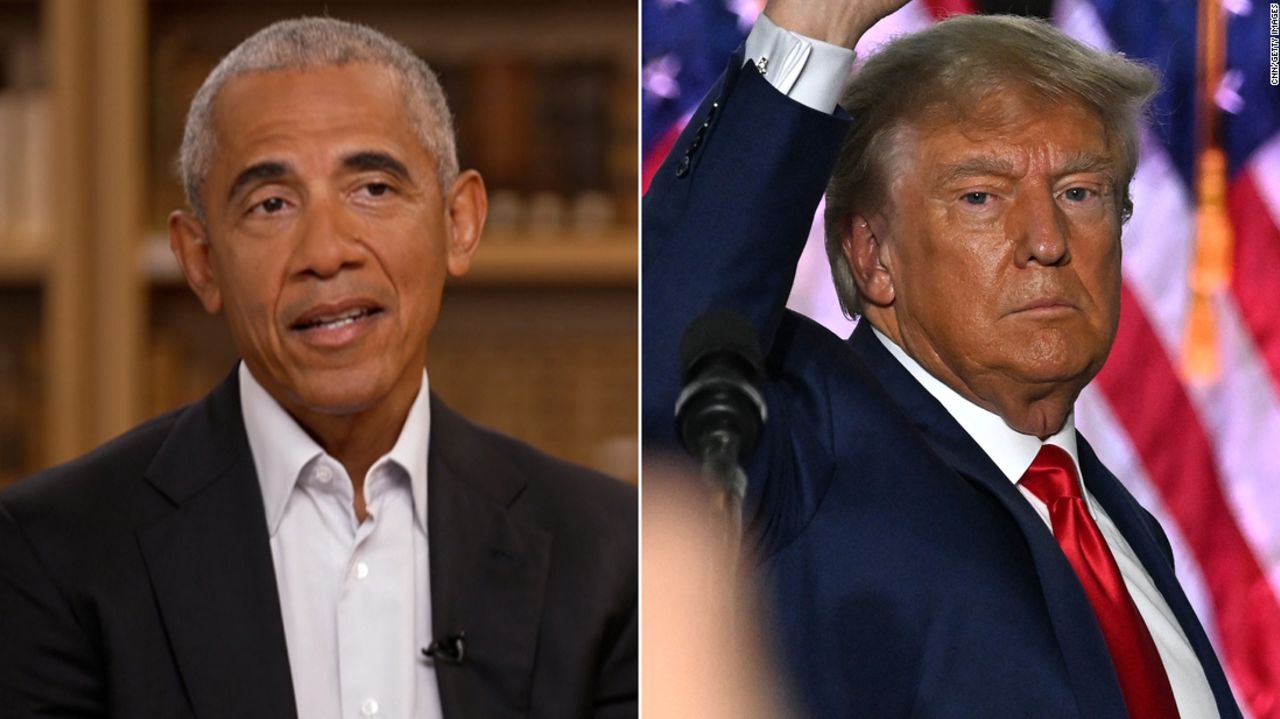
The current tension reflects a fundamental disagreement between the two primary political approaches to Iran. The Obama-era approach prioritized multilateral diplomacy and technical verification, whereas the Trump administration’s approach focused on economic isolation and leverage. This divide continues to shape the debate over how to prevent nuclear proliferation in the Middle East.
| Feature | 2015 JCPOA (Obama Administration) | Maximum Pressure (Trump Administration) |
|---|---|---|
| Primary Strategy | Multilateral diplomacy and technical limits | Economic sanctions and maximum pressure |
| Nuclear Oversight | Enhanced IAEA inspections and monitoring | Withdrawal from agreement and reduced oversight |
| Economic Impact | Easing of UN and US sanctions | Reimposition of severe economic sanctions |
| Scope of Deal | Focused on nuclear program limitations | Sought broader terms, including missiles |
What is the difference between Obama and Trump on Iran policy?
The distinction between the two former presidents’ views on Iran centers on the efficacy of diplomacy versus economic and military leverage. Donald Trump has remained a vocal critic of the 2015 agreement, describing it as a “horrible one-sided deal that should have never, ever been made.”
Trump’s criticism focuses on the perceived failures of the JCPOA to provide long-term regional stability. He argued during his first term that the agreement “didn’t bring calm, it didn’t bring peace, and it never will.” Instead, Trump has advocated for a more aggressive stance that uses the weight of the U.S. economy to force Iran into a more restrictive and comprehensive agreement.

While Trump has promised to secure a “better deal” and has frequently mentioned the possibility of a ceasefire agreement, the specifics of such a deal remain unverified. Despite repeated claims that a breakthrough is imminent, no public details regarding a new ceasefire or nuclear framework have been released by the administration or international mediators.
The debate over these two philosophies—diplomatic engagement versus economic coercion—remains a central pillar of U.S. foreign policy discussions. Proponents of the Obama approach argue that sanctions alone cannot change the behavior of a sovereign state without a diplomatic off-ramp. Conversely, supporters of the Trump approach maintain that the 2015 deal provided Iran with the resources to expand its regional influence while technically adhering to the nuclear limits.
What happens next for US-Iran diplomacy?
The immediate future of US-Iran relations remains uncertain as both sides continue to navigate high-stakes tensions. The international community continues to monitor Iran’s nuclear activities and the level of enrichment currently being conducted within the country, as well as the potential for renewed direct negotiations.
Observers are looking for signs of official movement from the U.S. State Department or the Iranian Foreign Ministry regarding the status of any potential ceasefire or nuclear negotiations. Until a formal announcement is made, the possibility of a “better deal” remains a matter of political rhetoric rather than documented diplomatic progress.
The next major checkpoint for monitoring these developments will be the upcoming reports from the International Atomic Energy Agency (IAEA) regarding Iran’s compliance with existing international safeguards and nuclear enrichment levels.
What are your thoughts on the balance between diplomacy and economic pressure in foreign policy? Let us know in the comments below and share this article with your network.
Keep reading
- Colombia Comptroller Election 2024: Candidates, Political Battles, and Disinformation Scandals
- West Florida Argonauts vs. North Alabama Lions: Sofascore Community Predictions
- Trump Denies US Munitions Shortages Amid Reports of Tense Cabinet Meeting (time.news)
- Judge Delays Trump’s Financial Records Handover to BBC (archyde.com)