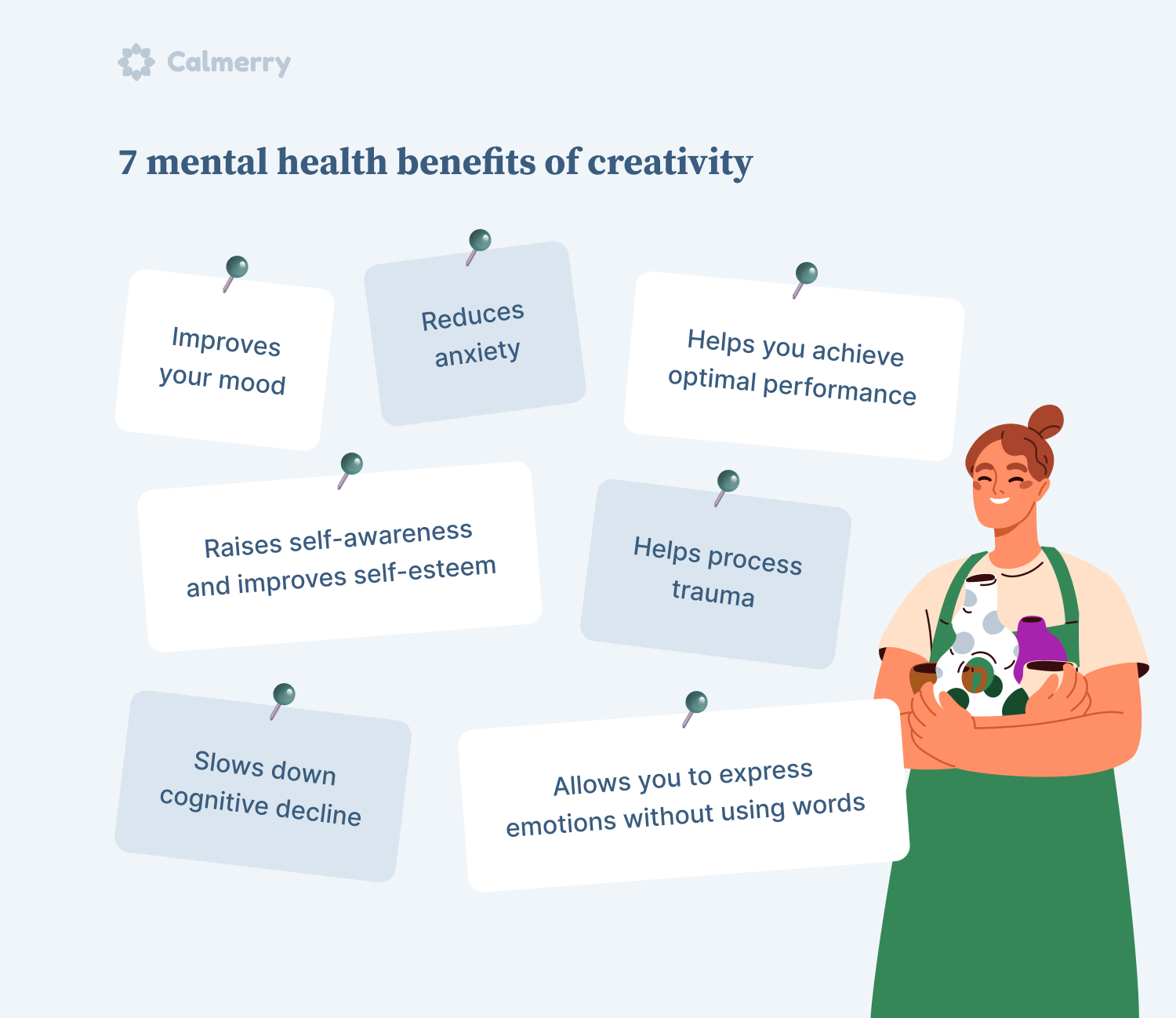
Healthcare systems are increasingly adopting “arts on prescription,” a form of social prescribing that connects patients with community-based creative activities. This approach aims to mitigate mental health issues, social isolation, and chronic pain by utilizing non-clinical interventions to improve patient wellbeing and reduce the burden on traditional medical services.
Social prescribing represents a shift toward holistic healthcare, where clinicians look beyond pharmacological or surgical interventions to address the social determinants of health. Rather than prescribing a pill, a physician may refer a patient to a local choir, a painting group, or a community gardening project. This model relies heavily on “link workers”—specialized staff members who help patients navigate community resources to meet their specific health and wellbeing needs.
The integration of the arts into formal medical pathways is gaining momentum across Europe and North America. In the United Kingdom, the National Health Service (NHS) has become a primary driver of this movement, integrating social prescribing into its integrated care systems to manage long-term conditions and improve population health.
How does social prescribing work?
The process of social prescribing typically begins during a consultation with a primary care physician or a mental health professional. When a clinician identifies that a patient’s health is being impacted by non-medical factors—such as loneliness, lack of physical activity, or chronic stress—they may initiate a referral. Instead of a traditional prescription, the patient is directed to a social prescribing link worker.
Link workers act as the bridge between the clinical environment and the community. They conduct assessments to understand the patient’s interests, physical capabilities, and social barriers. For example, a patient struggling with anxiety might be matched with a local pottery class or a walking group. This personalized matching is designed to foster social connection and provide a sense of purpose, which are critical components of mental resilience.
This model is distinct from traditional therapy in that it focuses on community reintegration and the “active” participation of the patient. By engaging in creative or social pursuits, patients often develop self-management skills that help them navigate their health challenges more effectively in the long term.
What does the clinical evidence show?
The transition from viewing art as a leisure activity to a clinical tool is supported by a growing body of research. A comprehensive report published by the World Health Organization (WHO) analyzed the impact of the arts on health and wellbeing. The findings indicated that engagement in the arts can help prevent ill health, manage existing conditions, and improve the quality of life for individuals living with chronic diseases.
The WHO evidence suggests several key benefits of arts engagement:

- Mental Health: Creative activities can reduce symptoms of anxiety and depression by providing cognitive distraction and emotional expression.
- Social Connection: Group-based arts, such as community theater or music ensembles, directly combat social isolation, a known risk factor for mortality.
- Physical Wellbeing: Activities like dance or community gardening promote physical movement, which is essential for managing cardiovascular health and mobility.
- Cognitive Function: Learning new creative skills, such as playing an instrument or painting, can help maintain cognitive plasticity, particularly in aging populations.
Clinical studies have also explored the impact of music therapy and visual arts on pain management. Some research indicates that engaging in creative tasks can modulate the perception of pain by altering the brain’s neurological response to discomfort, offering a non-pharmacological option for patients with chronic pain conditions.
The economic impact of creative therapies
Beyond individual health outcomes, social prescribing is being evaluated for its potential to reduce healthcare expenditures. By addressing the root causes of many medical visits—such as loneliness-induced depression or stress-related physical ailments—arts-based interventions can decrease the frequency of emergency room visits and primary care consultations.
In the UK, the NHS has explored the cost-effectiveness of social prescribing as a method to manage the rising costs of chronic disease management. While the initial implementation requires investment in link workers and community infrastructure, the long-term goal is a reduction in the “revolving door” effect, where patients repeatedly seek medical help for issues that are fundamentally social or emotional in nature.
Economists suggest that the value of social prescribing also includes “indirect” savings. Improved mental health and social stability can lead to increased workforce participation and reduced reliance on social welfare programs, creating a broader positive impact on the economy.
Addressing burnout and creativity in healthcare professionals
While the clinical focus of “arts on prescription” is on the patient, researchers are increasingly examining the relationship between creative engagement and the wellbeing of healthcare providers themselves. The medical profession is currently facing a global crisis of burnout, characterized by emotional exhaustion, depersonalization, and a reduced sense of personal accomplishment.
Data suggests a correlation between high levels of professional stress and a decline in empathy among clinicians. This “empathy gap” can impact patient outcomes and the quality of care. Some studies indicate that medical professionals may engage in creative or artistic activities at lower rates than the general population, potentially due to time constraints, high-pressure environments, and the intense cognitive load required by medical training.
Integrating creative practices into the lives of healthcare workers is being discussed as a potential strategy for building professional resilience. Engaging in activities like reading, writing, or visual arts may provide the “cognitive stretch” necessary to process the emotional toll of medical practice. By fostering these outlets, healthcare systems may be able to support the long-term mental health of their workforce, thereby protecting the empathy and dedication essential to patient care.
Challenges in scaling arts-based interventions
Despite the documented benefits, several obstacles remain in the widespread implementation of arts on prescription. One primary challenge is the lack of standardized measurement. Unlike a blood pressure reading or a glucose test, the “success” of a social prescription—such as attending a painting class—is difficult to quantify in a way that satisfies traditional clinical metrics.

Other significant hurdles include:
- Funding and Sustainability: Many community arts programs operate on precarious grants. If these programs disappear, the “prescription” becomes impossible to fulfill.
- Accessibility and Equity: There is a risk that social prescribing could exacerbate health inequalities if creative resources are only available in affluent urban areas.
- Medicalization of Art: Some critics argue that turning art into a “prescription” may strip it of its intrinsic value, transforming a free form of expression into a clinical task.
- Integration with Primary Care: Ensuring seamless communication between doctors, link workers, and community organizations requires significant administrative coordination.
To address these issues, health policy experts recommend developing robust data collection methods that track both patient wellbeing and community engagement. Strengthening the link between healthcare funding and community arts funding is also seen as a vital step toward creating a sustainable social prescribing ecosystem.
Frequently Asked Questions
What is the difference between art therapy and arts on prescription?
Art therapy is a clinical intervention led by a trained therapist to treat specific psychological issues. Arts on prescription, or social prescribing, refers to a broader range of community-based creative activities intended to improve general wellbeing and social connection.
How can I find out if arts on prescription is available in my area?
Availability varies by region. The best way to check is to consult your primary care physician or look for “social prescribing” services through your local health authority or community health center.
Does arts on prescription require a formal diagnosis?
Not necessarily. While it can be used to manage diagnosed conditions like depression, it is often used preventatively for patients experiencing stress, loneliness, or general decline in wellbeing.
As healthcare systems continue to evolve, the integration of social prescribing into standard medical practice remains a key area of development. Future updates on healthcare policy and the expansion of social prescribing models are expected to follow upcoming health service reviews and clinical trials.
Do you have thoughts on the role of the arts in modern medicine? Share your views in the comments below and share this article with your network.