
The Barclays Visa credit card, issued by the German branch of the British financial institution Barclays plc, offers consumers a fee-free payment solution with a specific emphasis on international travel. According to the official Barclays product documentation, the card is marketed as having no annual fee and no foreign transaction fees when used in non-euro currencies, positioning it as a competitive option for frequent travelers within the European market.
As of late 2024, the financial services landscape in Europe remains highly competitive, with traditional banks and fintech entities vying for market share through digital integration. Barclays plc, which operates its German consumer banking services from Hamburg, continues to focus on mobile-first banking experiences. The integration of credit card management into mobile applications is a standard industry practice, intended to streamline expense tracking and security management for users in an increasingly cashless economy, as noted in the official support documentation provided by the issuer.
Core Features of the Barclays Visa Offering
The primary value proposition of the Barclays Visa card is its permanent waiver of an annual fee. Unlike many premium travel credit cards that require a recurring subscription or maintenance cost, this product is designed for long-term usage without fixed overhead. Furthermore, the card allows for cash withdrawals at ATMs worldwide without a direct withdrawal fee charged by Barclays, though individual ATM operators may still levy their own surcharges, a detail confirmed in the official terms and conditions.

The card also incorporates a flexible repayment structure. Users can opt for full settlement of the monthly balance or choose to pay in installments, subject to interest rates as stipulated in the current fee schedule. Financial experts generally advise that while such flexibility provides liquidity, it is essential for cardholders to monitor the associated interest costs, which are disclosed annually by the bank in accordance with European banking regulations.
Digital Integration and Mobile Banking
Barclays has centered its customer experience on the Barclays App, which serves as the hub for card management. By utilizing mobile technology, the bank enables users to receive real-time transaction notifications, adjust security settings—such as temporary card blocks—and manage personal data directly from their smartphones. This digital-first approach reflects a broader trend in the banking sector where physical branch interaction is increasingly replaced by secure, encrypted mobile interfaces.
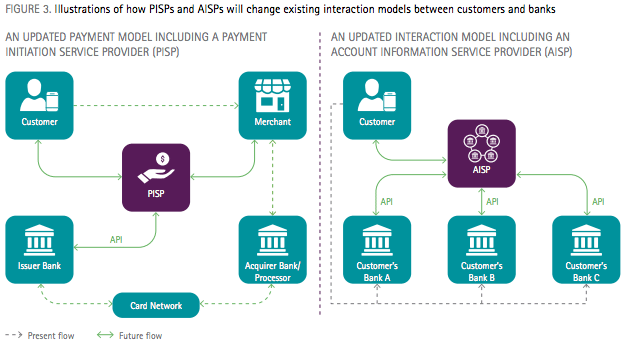
Security remains a priority for the issuer. The card includes standard features such as 3D Secure for online purchases, which requires additional authentication to verify the cardholder’s identity. According to the Barclays security portal, this protocol is a mandatory measure to mitigate fraud risk in cross-border e-commerce, aligning with the Revised Payment Services Directive (PSD2) requirements mandated for electronic payments within the European Economic Area.
Considerations for International Travelers
For those frequently traveling outside the Eurozone, the absence of foreign transaction fees is a significant factor. When a cardholder makes a purchase in a currency other than the euro, the exchange rate applied is typically the official Visa wholesale rate. This transparency in currency conversion is a standard requirement for major card networks, providing consumers with a predictable cost basis compared to traditional bank-issued debit cards, which may carry hidden conversion premiums.
However, users should remain aware of the distinction between the issuer’s fees and third-party charges. While Barclays does not charge for the act of withdrawing cash, the owner of the ATM machine is permitted to charge a usage fee. These fees are independent of the credit card provider and are typically displayed on the ATM screen before the transaction is finalized, a standard warning provided by consumer protection agencies across the European Union.
Future Developments and Regulatory Oversight
The financial sector is currently awaiting further guidance regarding the implementation of the Instant Payments Regulation, which aims to make real-time money transfers the standard across the European Union. While this regulation primarily impacts bank transfers, the evolution of credit card infrastructure often follows similar trends toward faster processing and improved transparency. Barclays plc continues to update its digital platforms to comply with these shifting regulatory frameworks, ensuring that its consumer products remain aligned with both national and continental mandates.

The next major update for Barclays cardholders will likely involve further integration with digital wallets and potential adjustments to interest rate disclosures as dictated by the European Central Bank’s monetary policy. Consumers are encouraged to check the official Barclays website periodically for the most recent version of the fee schedule and security protocols. For those seeking to manage their finances, the bank provides an online portal for account applications and customer support inquiries.
We welcome your thoughts on how digital-first credit cards are changing your travel habits. Join the conversation in the comments section below to share your experiences with global payment solutions.
Keep reading