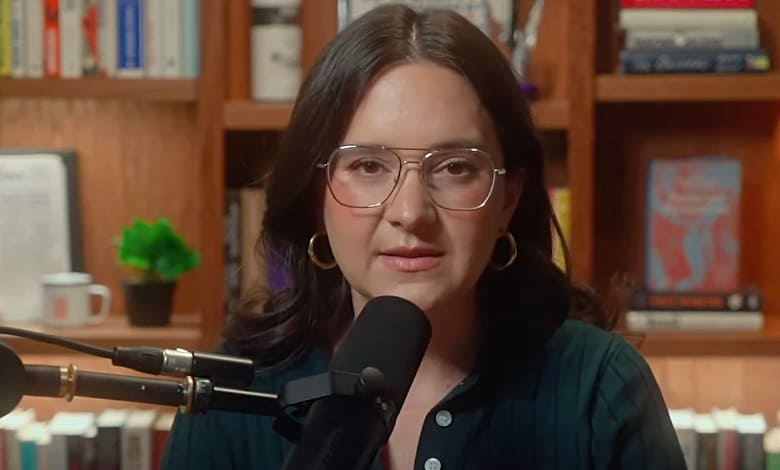
The cancellation of Bari Weiss’s appearance at UCLA on February 27th has ignited a debate about free speech on college campuses, raising questions about the safety of speakers and the responsibility of universities to protect diverse viewpoints. Weiss, the editor-in-chief of CBS News, was slated to deliver the annual Daniel Pearl Memorial Lecture, but her team withdrew the event citing insufficient security measures. This incident comes amid a broader national conversation about antisemitism and the challenges of fostering open dialogue in higher education.
The decision to cancel the on-campus lecture, initially reported by the Daily Bruin, was confirmed by UCLA’s Associate Vice Chancellor for Campus and Community Safety, Steve Lurie. According to Lurie, the university was prepared to provide security for Weiss, but her team ultimately felt it was inadequate. Judea Pearl, father of the late journalist Daniel Pearl, shared on X (formerly Twitter) that the cancellation stemmed from security concerns. This event is particularly poignant given the legacy of Daniel Pearl, who was kidnapped and murdered by extremists in 2002 while reporting in Pakistan.
A Pattern of Silencing on Campuses
The cancellation of Weiss’s lecture is not an isolated incident. For years, conservative speakers have faced harassment, protests and attempts to silence them on college campuses across the United States. These incidents often extend beyond peaceful demonstrations, sometimes involving threats of physical harm. The situation at UCLA mirrors a growing trend where the expression of certain viewpoints, even those from established journalists, is met with resistance and perceived safety risks. This has led to concerns about the chilling effect on free speech and the ability of universities to uphold their stated commitments to open inquiry.
Beyond the realm of conservative speakers, other figures have reported facing threats and opposition for their views. Michael Rapaport, an actor and commentator known for his outspoken views on Israel, has faced professional repercussions and threats, as reported by Hollywood in Toto. Similarly, theatrical producers Phelim McAleer and Ann McElinhinney experienced threats related to a play commemorating the October 7th attacks in Israel, as detailed in another report from the same publication (Hollywood in Toto). These examples highlight a broader climate where expressing certain perspectives can lead to intimidation and professional consequences.
Hollywood’s Silence and the Double Standard
A central question raised by this situation is the relative silence from prominent figures in Hollywood who have often championed free speech when they perceive their own rights to be threatened. Jimmy Kimmel and Stephen Colbert, both late-night hosts who have frequently criticized former President Donald Trump for allegedly curtailing their free speech, have not publicly addressed Weiss’s cancellation or offered her a platform to discuss the situation. This perceived double standard has drawn criticism from those who argue that the defense of free speech should be consistent and apply to all viewpoints, regardless of political affiliation.
The lack of support from these figures extends to a reluctance to invite Weiss onto their programs. Critics argue that Weiss is viewed as an “enemy” of the progressive left due to her efforts to address perceived bias within CBS News. This ostracization, they contend, is a form of punishment for challenging prevailing narratives and seeking to promote a more balanced approach to journalism. The absence of a willingness to engage with dissenting voices, even in a forum designed for debate, raises concerns about the limits of tolerance for diverse perspectives within the media landscape.
Antisemitism and the Pro-Israel Stance
Adding another layer of complexity to the situation, some of the threats directed at Weiss are reportedly rooted in her pro-Israel stance. This has sparked concerns about the rise of antisemitism on university campuses and the lack of adequate response from university administrations and progressive voices. The incident underscores the challenges of addressing antisemitism within the context of broader debates about the Israeli-Palestinian conflict and the potential for criticism of Israel to cross the line into antisemitic rhetoric.
The concerns extend beyond external threats to include opposition from within the university itself. According to reports, some employees at UCLA’s Burkle Center and the International Institute voiced objections to hosting Weiss. One employee, Margaret Peters, the associate director of the Burkle Center, reportedly considered resigning if Weiss was allowed to speak, as highlighted in a post on X by Steve McGuire. This internal opposition demonstrates a willingness among some university staff to actively prevent the expression of viewpoints they disagree with, even within an institution ostensibly dedicated to free inquiry.
The associate director of the center that was supposed to host Bari Weiss at UCLA says she’ll resign if Bari Weiss is allowed to speak.
She should resign in any event because she’s a disgrace to the university and her profession. https://t.co/GK7VnGC9gB pic.twitter.com/4oZ7bB5j9a
— Steve McGuire (@sfmcguire79) February 19, 2026
UCLA’s Response and the Future of Campus Discourse
UCLA officials maintain their commitment to supporting public programming that represents a wide range of viewpoints, while also prioritizing safety planning for each event. Steve Lurie, UCLA’s associate vice chancellor, stated that the university had been prepared to implement a comprehensive security plan in coordination with campus safety and external law enforcement partners. However, this assurance was ultimately insufficient to satisfy Weiss’s team, leading to the cancellation of the in-person lecture.
Despite the cancellation of the on-campus event, there is still a possibility that Weiss will deliver the Daniel Pearl Memorial Lecture virtually via Zoom. Margaret Peters indicated that this option is under consideration, but a final decision has not yet been made. The potential shift to a virtual format raises questions about the accessibility and impact of the lecture, as well as the extent to which online platforms can effectively mitigate the risks of disruption and harassment.
Key Takeaways
- Bari Weiss cancelled a planned lecture at UCLA due to security concerns, highlighting ongoing challenges to free speech on college campuses.
- The incident has sparked debate about a perceived double standard in the defense of free speech, with criticism directed at Hollywood figures who have been vocal about their own concerns regarding censorship.
- Concerns about antisemitism and the targeting of individuals based on their pro-Israel stance are contributing factors to the current climate of tension on university campuses.
- UCLA maintains its commitment to free speech but faced criticism for not providing sufficient security measures to ensure Weiss’s safety.
The situation at UCLA serves as a microcosm of the broader challenges facing universities as they navigate the complexities of free speech, safety, and inclusivity. The cancellation of Weiss’s lecture underscores the need for universities to proactively address threats to free expression, provide adequate security for speakers, and foster a climate of respectful dialogue where diverse viewpoints can be shared without fear of intimidation or harassment. The university is currently reviewing its security protocols for future events, according to a statement released by the UCLA Media Relations office on February 21, 2026.
The next step in this situation will be UCLA’s decision regarding the potential virtual lecture. Readers interested in staying informed about this issue can follow updates from the UCLA Burkle Center for International Relations (https://www.international.ucla.edu/burkle) and CBS News. What are your thoughts on the balance between free speech and safety on college campuses? Share your perspectives in the comments below.
Worth a look
- Reacher Season 4 Trailer Hits All The Action Notes, And I Love That It Makes The Same Joke Fans Do
- Transmitido por Aventura Televisión, producido por nuestro querido @nelvalbuena … – Instagram
- Berlin Pride Attack: Manhunt After Van Hits Crowd, Leaving One Dead (time.news)
- Trump Discusses the Speech He Almost Gave Before Assassination Attempt (newsdirectory3.com)