
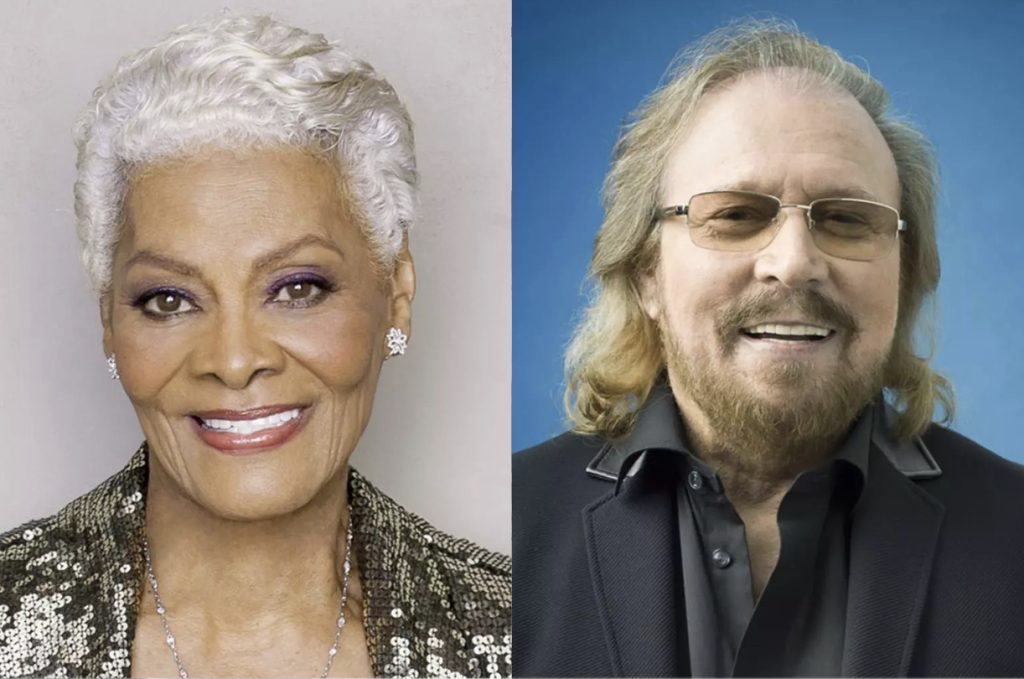
In the digital age, the speed at which information—and misinformation—travels can create significant distress for fans and families alike. Recently, social media platforms have faced renewed scrutiny after a now-deactivated Facebook page circulated a false report concerning the death of legendary musician Barry Gibb. As the last surviving member of the iconic group the Bee Gees, Gibb has been the subject of persistent, unfounded death hoaxes that highlight the ongoing challenges of verifying content within social networking ecosystems.
For fans of the Bee Gees, the news caused immediate alarm, spreading rapidly across online communities before being identified as entirely baseless. This incident serves as a stark reminder of the importance of media literacy and the necessity of relying on official channels for updates regarding public figures. When evaluating the credibility of viral claims, experts often point to the lack of verification from established news outlets as the primary indicator of a potential hoax. According to guidelines on identifying misinformation, users should prioritize reports from reputable, verified sources rather than unverified social media pages.
The Impact of Digital Misinformation
The circulation of death hoaxes involving celebrities is a recurring phenomenon that often exploits the emotional connection fans have with cultural icons. In this instance, the false report specifically targeted Barry Gibb, whose contributions to music as a singer, songwriter, and producer are globally recognized. The Bee Gees, featuring brothers Barry, Robin, and Maurice Gibb, are among the best-selling music artists of all time, according to historical music industry records. Because of their immense influence, any news regarding the members—especially the surviving brother—naturally draws significant attention.
The deactivation of the page responsible for this misinformation reflects a broader effort by platform administrators to curb the spread of harmful or deceptive content. However, the transient nature of these pages often means that by the time they are removed, the misinformation has already reached a wide audience. For readers, distinguishing between official announcements and speculative social media posts is crucial. Reliable information regarding the status of public figures is typically communicated through official representative statements or verified news organizations, rather than through obscure or unverified social media profiles.
Navigating Online Claims
When encountering alarming news on social media, there are several steps users can take to verify the information before sharing it further. First, verify the source. Does the page have a verified checkmark from the platform? Is it an official account for the individual or their management team? If the information is legitimate, it will generally be corroborated by multiple independent, authoritative news outlets. If a search on major news platforms yields no results, it is highly likely that the report is inaccurate.
it is helpful to understand the intent behind such posts. Many of these hoaxes are designed to generate engagement, clicks, or traffic to specific websites, often at the expense of public trust. By resisting the urge to share unverified, sensationalist claims, users play a vital role in preventing the further spread of digital falsehoods. The Federal Communications Commission (FCC) provides resources for consumers to help identify and report deceptive practices, which remains a cornerstone of maintaining a healthier digital environment.
Why Verification Matters
As a technology editor, I have observed how the proliferation of social media has outpaced our ability to implement universal fact-checking standards. While platforms have introduced various tools to flag misinformation, the human element remains the most effective line of defense. When we see reports that seem suspicious, taking even a few seconds to cross-reference the claim against established, trustworthy news sources—such as the BBC, Reuters, or the Associated Press—can prevent the unnecessary distress that these hoaxes are designed to cause.
The incident involving the false report about Barry Gibb is a microcosm of a larger societal issue. As we continue to integrate digital tools into our daily lives, cultivating a habit of healthy skepticism is essential. We must rely on evidence-based reporting and official statements to guide our understanding of current events. By holding ourselves and our networks to higher standards of verification, we contribute to a more accurate and responsible information ecosystem.
For ongoing updates regarding the music industry and official announcements, fans are encouraged to consult the official websites of artists or verified press channels. While there are no further official actions or hearings scheduled regarding this specific incident, the event remains a clear example of the need for continued vigilance in our digital consumption. We invite our readers to share their thoughts on how You can better combat the spread of misinformation in the comments section below.